
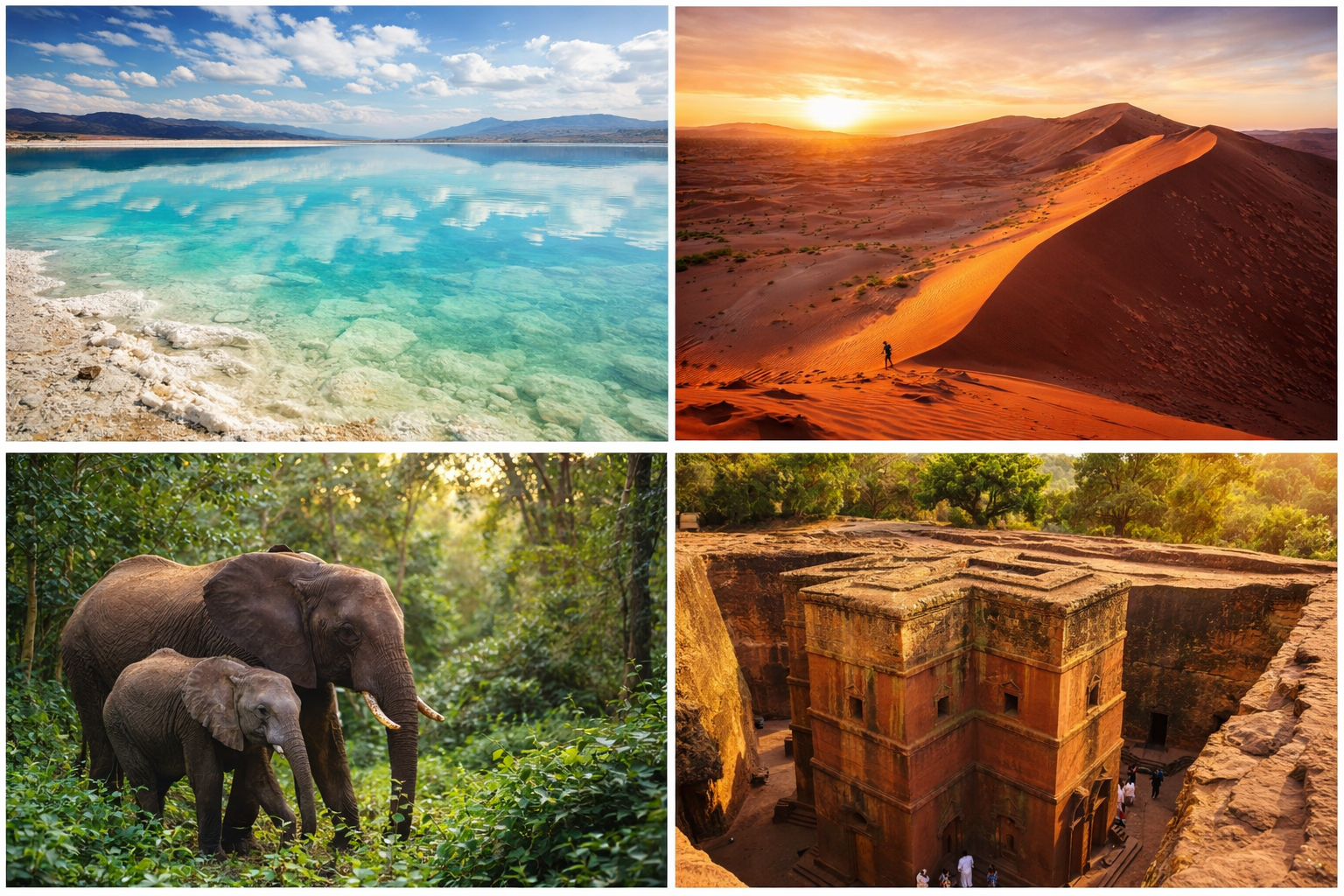
Africa is often associated with iconic destinations like the Serengeti or Table Mountain. Yet beyond these well-known landmarks lies a collection of extraordinary places that receive a fraction of the international attention — despite offering equally powerful travel experiences. After years of studying African travel routes, tourism trends, and conservation landscapes — and consulting official park authorities, UNESCO listings, and regional tourism data — I’ve found that some of the most rewarding journeys on the continent happen far from the busiest circuits. This guide highlights lesser-visited destinations that combine geological uniqueness, ecological importance, and deep cultural heritage — while also providing the logistical clarity serious travelers need. Why Travel Beyond Africa’s Main Tourist Circuits? According to the UN World Tourism Organization (UNWTO), tourism in Africa remains heavily concentrated in a small number of countries and flagship attractions. This means: Traveling to lesser-known regions can: However, remote destinations require more planning. Infrastructure may be limited, and independent travel can be logistically complex. Below, each location includes practical planning insights. 1. Lake Assal, Djibouti Africa’s Lowest Point Lake Assal sits approximately 155 meters below sea level, making it the lowest point on the African continent. It is also among the saltiest bodies of water in the world, with salinity levels estimated at around 34–35%, comparable to the Dead Sea. Why It Matters Geologically The lake lies within the Afar Depression — one of the most tectonically active regions on Earth, where the African and Arabian plates are gradually pulling apart. What to Expect Practical Planning Ideal for: Geology enthusiasts, photographers, extreme landscape seekers 2. Loango National Park, Gabon Where Rainforest Meets the Atlantic Established in 2002 as part of Gabon’s national park system expansion, Loango protects coastal rainforest, lagoons, savannah, and marine environments in one ecosystem. Ecological Significance Gabon is considered one of Central Africa’s conservation success stories due to its protected area network covering roughly 11% of its territory. What Makes It Different Unlike high-vehicle safari circuits in East Africa, visitor density remains relatively low, allowing for walking safaris and boat exploration. Practical Planning Ideal for: Experienced safari travelers seeking a less commercial wildlife experience 3. Bazaruto Archipelago, Mozambique A Marine Conservation Area The Bazaruto Archipelago is protected as a national park and marine reserve. It is one of the few remaining habitats of the endangered dugong in the western Indian Ocean. Environmental Importance The coral reefs support diverse marine life, and conservation efforts focus on sustainable fishing and habitat protection. What to Expect Practical Planning Ideal for: Eco-conscious travelers, divers, honeymooners seeking privacy 4. Simien Mountains National Park, Ethiopia UNESCO-Recognized Highlands Designated a UNESCO World Heritage Site in 1978, the Simien Mountains are known for dramatic escarpments and endemic wildlife. Conservation Importance Trekking Experience The park offers multi-day trekking routes with panoramic highland scenery reaching elevations above 4,500 meters. Practical Planning Ideal for: Adventure trekkers, wildlife conservation travelers 5. Sossusvlei, Namibia Iconic Dunes in the Namib Desert Located within Namib-Naukluft National Park, Sossusvlei features some of the tallest sand dunes on Earth, with several rising over 300 meters. Why It’s Photographically Important The red iron-rich dunes contrast sharply with white clay pans such as Deadvlei, creating globally recognized desert imagery. Practical Planning Ideal for: Landscape photographers, self-drive travelers 6. Lalibela, Ethiopia Medieval Rock-Hewn Churches Lalibela is home to 11 monolithic churches carved directly from volcanic rock during the 12th–13th centuries under King Lalibela. It is recognized as a UNESCO World Heritage Site. Cultural Significance These churches remain active places of worship and pilgrimage within Ethiopian Orthodox Christianity. Practical Planning Ideal for: Cultural travelers, history enthusiasts 7. Nyika National Park, Malawi Highland Ecosystem Nyika differs from traditional safari landscapes. Its rolling grasslands resemble East African moorlands more than savannah plains. Wildlife & Ecology Practical Planning Ideal for: Scenic road-trippers, birdwatchers, quiet safari seekers 8. Ouadane (Ksour of Ouadane), Mauritania Trans-Saharan Trade Heritage Ouadane is part of the UNESCO-listed “Ancient Ksour of Ouadane, Chinguetti, Tichitt and Oualata,” representing medieval Saharan trade settlements. Historical Importance These fortified towns were key stops along caravan routes connecting sub-Saharan Africa to North Africa. Practical Planning Ideal for: Cultural historians, expedition travelers Responsible Travel Considerations When visiting remote African destinations: Avoid unauthorized wildlife interaction or unregulated tour operators. Final Perspective: Why These Destinations Matter Many of Africa’s lesser-known destinations are not underdeveloped — they are under-promoted. Their ecological and cultural value often exceeds their global recognition. Travelers who venture beyond the most marketed routes frequently find: Exploring responsibly allows these destinations to benefit from tourism without replicating the pressures seen elsewhere. For experienced travelers willing to plan carefully, these places offer some of the most authentic journeys on the continent.
Traditional African Fashion: The Meaning, History, and Cultural Power Behind the Fabrics
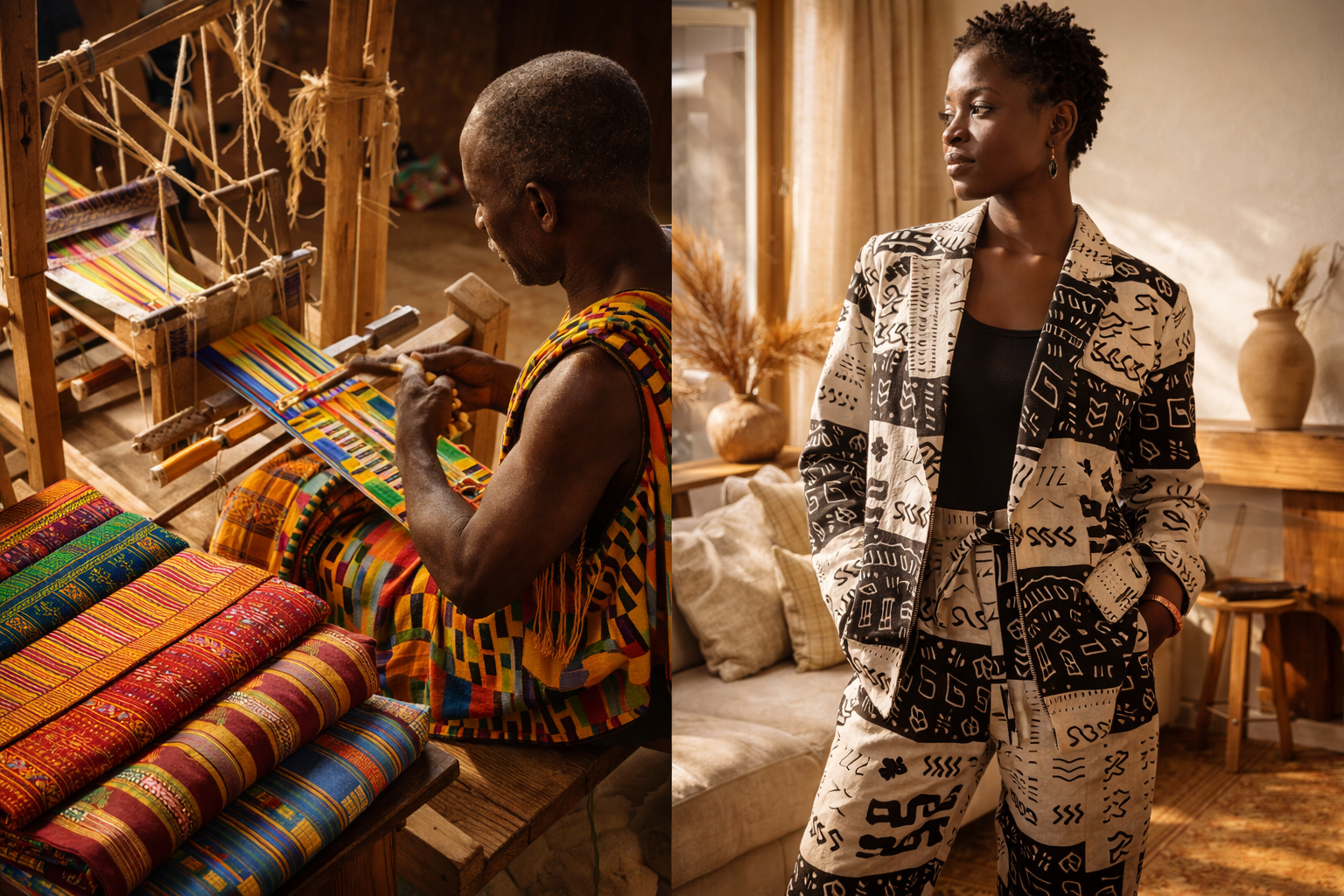
Traditional African fashion is not merely decorative — it is a living language. Across the continent, textiles communicate identity, spirituality, political history, social status, and community belonging. During a textile exhibition I attended featuring West African weavers, one artisan explained something that stayed with me: “When you wear this cloth, you are wearing a story.” That statement captures the essence of traditional African fabrics. These garments are not random patterns stitched together for beauty — they are carefully constructed visual narratives passed down through generations. This article explores the history, symbolism, craftsmanship, and cultural significance of some of Africa’s most iconic textiles, drawing from ethnographic research, museum archives, and cultural scholarship. Clothing as Communication in African Societies In many African communities, clothing historically functioned as a non-verbal communication system. Anthropological research and museum documentation, including collections from the Smithsonian National Museum of African Art, show that textiles often signified: For example, among the Akan of Ghana, certain cloths were historically restricted to royalty. In Yoruba society, specific woven textiles were worn during rites of passage and chieftaincy ceremonies. Unlike modern fast fashion, traditional African textiles were embedded in ritual, ceremony, and social order. Color Symbolism: Regional Nuance Matters It is important to clarify that color meanings vary across regions and ethnic groups. However, scholars have documented recurring symbolic associations in several West African traditions. According to curatorial research from the British Museum and Ghanaian textile historians: However, meanings are culturally specific. For example, white may symbolize mourning in some regions and celebration in others. Presenting these interpretations with regional context strengthens historical accuracy. Iconic Traditional African Fabrics Africa contains over 3,000 ethnic groups, each with distinctive textile traditions. Below are several globally recognized fabrics examined through historical and scholarly context. 1. Kente cloth Originating among the Akan people of present-day Ghana, Kente dates back to at least the 17th century. During a visit to a weaving community near Kumasi, I observed how Kente is traditionally woven on narrow horizontal strip looms. Each strip is later sewn together to form a larger cloth. Why Kente Is Symbolic Research from the Ghana Museums and Monuments Board explains that: Historically, Kente was reserved for royalty and sacred ceremonies. Today, it is worn during graduations and cultural celebrations, symbolizing African heritage and intellectual achievement. UNESCO recognizes West African weaving traditions as part of Africa’s intangible cultural heritage, underscoring their global importance. 2. Ankara fabric (African Wax Print) Ankara, widely worn across West and Central Africa, has a complex transnational history. Textile historians note that so-called “African wax prints” were industrially produced in the 19th century by Dutch manufacturers inspired by Indonesian batik. Over time, West African traders adopted and reinterpreted these prints, embedding them with local meanings. The Victoria and Albert Museum documents how African consumers transformed these imported textiles into culturally meaningful garments. Symbolism in Ankara Many prints receive colloquial names reflecting: For example, certain prints have been nicknamed to communicate romantic admiration or financial independence within specific communities. Ankara today represents a dynamic fusion of global trade history and African cultural adaptation. 3. Aso Oke Aso Oke, meaning “top cloth,” originates from the Yoruba people of southwestern Nigeria. At a traditional Yoruba wedding I attended, the coordinated Aso Oke worn by family members visually reinforced unity and prestige. According to Nigerian textile scholarship and documentation from the National Museum Lagos: Major Types of Aso Oke Aso Oke remains central in weddings, chieftaincy installations, and state ceremonies. 4. Mudcloth (Bògòlanfini) Mudcloth originates among the Bambara people of Mali. Production involves: The Smithsonian Institution documents how symbols in mudcloth historically conveyed: Ethnographic studies describe how hunters sometimes wore mudcloth garments believed to carry protective spiritual properties — though interpretations vary by region. Today, mudcloth is widely used in fashion and interior design, yet traditional production methods remain artisan-based. 5. Shweshwe Shweshwe is strongly associated with Xhosa, Sotho, and Tswana communities in Southern Africa. Originally introduced through 19th-century European trade, the fabric was embraced and indigenized within South African culture. The Iziko South African Museum notes that Shweshwe became particularly associated with married women’s ceremonial attire. Its indigo base and intricate geometric patterns remain culturally significant, especially during weddings and traditional celebrations. Craftsmanship and Cultural Sustainability Traditional African textiles are rooted in skilled craftsmanship: In many communities, weaving knowledge is transmitted through apprenticeship systems. Organizations such as UNESCO emphasize the importance of preserving traditional craftsmanship as part of safeguarding intangible cultural heritage. Supporting authentic artisans helps: Cultural Appreciation vs. Appropriation As African textiles gain global popularity, ethical considerations matter. Respectful engagement includes: Cultural literacy enhances appreciation and prevents misrepresentation. Why Understanding the Meaning Matters Understanding traditional African fabrics: These textiles are not simply fashion statements — they are historical documents woven in thread. Conclusion Traditional African fashion represents one of the world’s richest textile traditions. From the philosophical symbolism of Kente to the ceremonial prestige of Aso Oke and the spiritual narratives embedded in Mudcloth, these fabrics embody centuries of artistry, resilience, and cultural continuity. Grounded in museum research, ethnographic scholarship, and living tradition, African textiles continue to evolve while preserving deep ancestral meaning. To wear them thoughtfully is to honor the communities that created them.
10 African Festivals Worth Traveling For (A Cultural Traveler’s Guide)
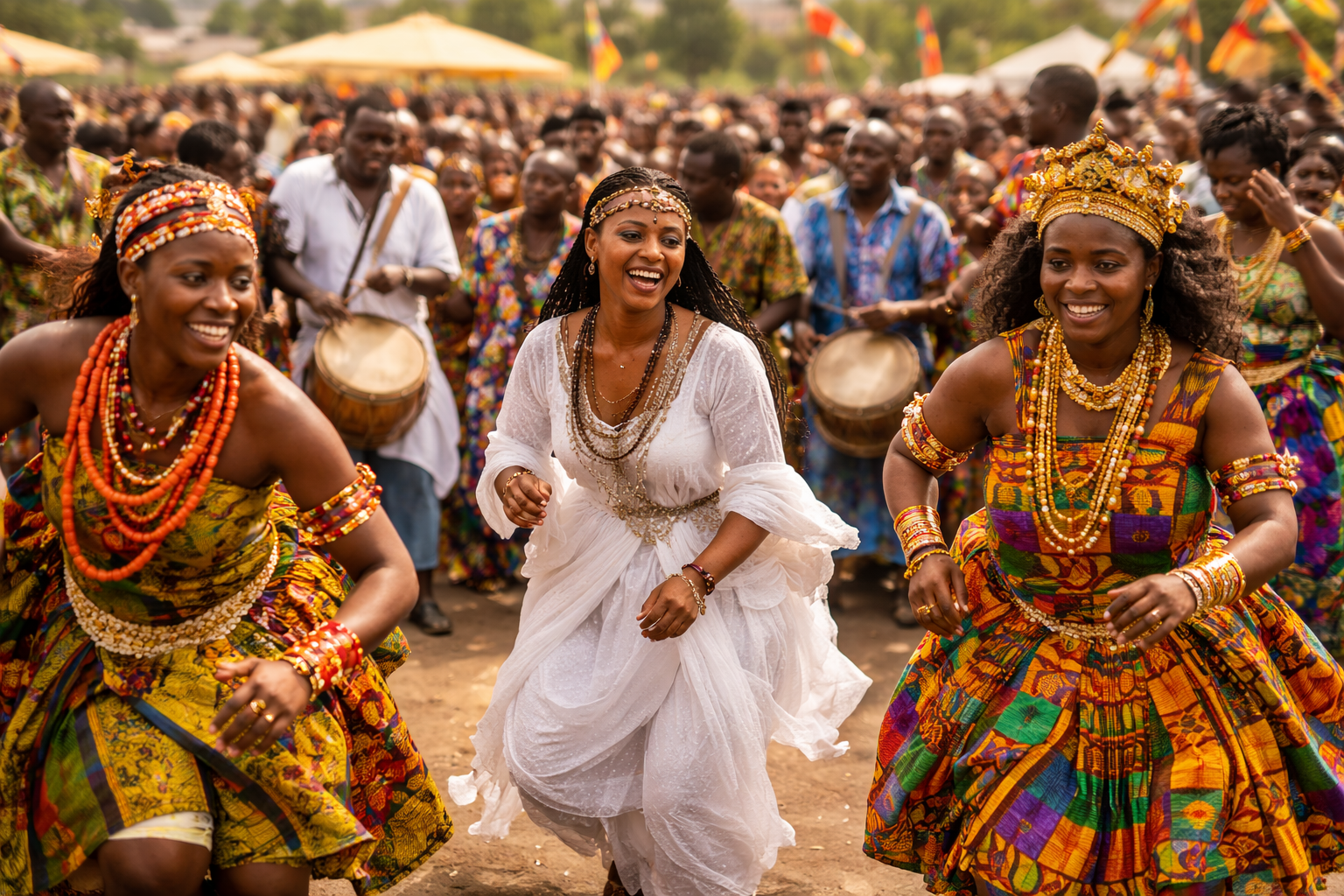
Africa’s festivals are not staged performances created for tourists. They are living traditions — some centuries old — that communities continue to celebrate regardless of outside attention. Over the years, I’ve learned that the most meaningful way to understand a place in Africa is not just by visiting its landmarks, but by witnessing how its people celebrate faith, identity, art, and history together. From sunrise religious processions in Ethiopia to desert guitar concerts under Saharan stars, these ten festivals offer travelers rare cultural immersion — when approached with respect, preparation, and cultural awareness. 1. Timkat – Ethiopia Where: Gondar, Lalibela, Addis AbabaWhen: January 19 (January 20 in leap years) Timkat is the Ethiopian Orthodox Tewahedo Church’s celebration of Epiphany, commemorating the baptism of Jesus Christ. It is one of the most important religious observances in Ethiopia. In Gondar, celebrations center around the 17th-century Fasilides Bath. At dawn, priests dressed in richly embroidered robes carry Tabots — sacred replicas of the Ark of the Covenant — through the streets in solemn procession. The atmosphere is reverent, rhythmic, and deeply spiritual. Cultural depth:The Tabot is not symbolic decoration; it represents the presence of the Ark in Ethiopian Orthodox theology. Photography near priests should be done respectfully and only when appropriate. Travel insight:Arrive at least a day early to secure accommodation, especially in Gondar. Dress modestly (white clothing is traditional but not required), and prepare for large crowds before sunrise. 2. Gerewol Festival – Niger Where: In-Gall regionWhen: September (following the rainy season) The Gerewol Festival is a courtship celebration of the Wodaabe, a nomadic Fulani subgroup. Unlike many global traditions, it is the men who adorn themselves elaborately to attract female judges. Participants paint their faces with red ochre, outline their eyes in black to emphasize whiteness, and perform synchronized dances called Yaake. Height, symmetry, stamina, and charisma are evaluated. Cultural depth:This is not staged for tourism. It is part of a broader gathering of nomadic clans marking the end of seasonal migration. Travel insight:Access requires logistical planning, often through local guides familiar with nomadic routes. Conditions are remote — expect heat, limited infrastructure, and minimal accommodation. 3. Cape Town International Jazz Festival – South Africa Where: Cape TownWhen: March or April Established in 2000, this festival has grown into one of the largest jazz gatherings on the continent, attracting artists from Africa, Europe, and the Americas. It spans multiple indoor stages and blends jazz with Afro-fusion, soul, and contemporary African music. Why it stands out:Unlike purely commercial festivals, this event also supports youth development programs and local music education initiatives. Travel insight:Tickets often sell out early. Book months in advance and combine the trip with visits to Robben Island or the Cape Winelands for broader cultural context. 4. FESPACO – Burkina Faso Where: OuagadougouWhen: February (biennial) Founded in 1969, FESPACO (Pan-African Film and Television Festival of Ouagadougou) is widely regarded as Africa’s most prestigious film event. Its highest prize, the Étalon de Yennenga, is one of the continent’s top cinematic honors. Cultural depth:FESPACO emerged during post-independence Africa as a platform for African storytelling independent of colonial narratives. Travel insight:Expect screenings across multiple venues and strong local participation. French is widely used during panels and discussions. 5. Durbar Festival – Nigeria Where: Kano, Katsina, KadunaWhen: Eid al-Fitr and Eid al-Adha The Durbar traces back to pre-colonial Hausa-Fulani emirates. It features hundreds of mounted horsemen in embroidered regalia performing synchronized displays before the Emir. The spectacle is dramatic — but it is also ceremonial, reflecting historical military traditions and Islamic heritage. Travel insight:Security conditions vary by region. Consult official travel advisories and coordinate with trusted local hosts before attending. 6. Festival au Désert – Mali Where: Traditionally near TimbuktuWhen: Historically January (currently varies due to security conditions) Launched in 2001, Festival au Désert began as a Tuareg cultural gathering and evolved into an internationally recognized desert music festival. Tuareg guitar music, known for its hypnotic, blues-like rhythms, became globally known through this event. Important note:Due to regional instability, the festival has relocated or paused in certain years. Always verify current status before planning travel. 7. Lake of Stars Festival – Malawi Where: Lake MalawiWhen: September or October Launched in 2004, Lake of Stars blends music, visual arts, and lakeside leisure. It has helped spotlight Malawi’s creative industries and tourism sector. The setting — along one of Africa’s largest freshwater lakes — adds a relaxed atmosphere uncommon in major urban festivals. Travel insight:Accommodation fills quickly around the lake. Consider booking eco-lodges early and plan transport carefully, as roads can be slow. 8. Homowo Festival – Ghana Where: Accra and surrounding Ga communitiesWhen: August or September Homowo means “hooting at hunger.” The festival commemorates a historic famine endured by the Ga people and celebrates resilience and harvest. Families prepare kpokpoi (traditional maize dish) and sprinkle it as a symbolic act of remembrance. Cultural etiquette:Certain days prohibit drumming before official ceremonies. Visitors should respect local announcements. 9. Mombasa Carnival – Kenya Where: MombasaWhen: Typically November This carnival showcases Kenya’s ethnic diversity through parades, floats, and Swahili coastal music traditions. Unlike rural heritage festivals, Mombasa Carnival is accessible and urban, making it suitable for first-time visitors to East Africa. 10. Ouidah Voodoo Festival – Benin Where: OuidahWhen: January 10 Benin is widely recognized as the birthplace of Vodun (often spelled Voodoo). January 10 is designated as National Vodun Day. Ceremonies on the beach include blessings, music, and spiritual rituals led by priests and community leaders. Cultural context:Vodun is frequently misunderstood in Western media. In Benin, it is a respected spiritual system emphasizing ancestors, nature, and community harmony. How to Travel to African Festivals Responsibly Attending these festivals is a privilege. To ensure respectful engagement: Responsible travel protects both cultural integrity and visitor safety. Final Thoughts African festivals are not simply “events.” They are expressions of identity, faith, memory, and creativity. Whether witnessing the sunrise waters of Timkat, the disciplined cavalry lines of Durbar, or the desert melodies once carried by Tuareg musicians, these celebrations offer insight

The Ultimate Guide to Traveling in Africa (For First-Time Visitors)
Traveling in Africa for the first time can feel both exciting and overwhelming. I remember planning my first trip to East Africa — I underestimated distances, overpacked for safari, and had no idea how cold early morning game drives could be. By the end of that journey, I had learned that Africa rewards preparation, flexibility, and cultural respect more than any other destination I’ve visited. This guide combines firsthand travel insights with official recommendations from global travel authorities to help you plan safely, confidently, and responsibly. Africa is not one experience — it is 54 sovereign countries (as recognized by the United Nations), each offering distinct landscapes, cultures, and travel realities. Understanding those differences is the key to a successful first trip. Why Travel to Africa? Africa offers experiences that are difficult to replicate elsewhere: According to the United Nations World Tourism Organization (UNWTO), tourism plays a major role in supporting employment and conservation initiatives across several African nations. In countries like Kenya and Tanzania, park fees directly support wildlife protection and local communities. But Africa is not a “single trip.” Choosing the right region for your interests is essential. Choosing the Right Destination for Your First Trip 1. For Wildlife Safaris If seeing lions, elephants, giraffes, and rhinos in the wild is your priority, East and Southern Africa are ideal. Top safari destinations include: From personal experience, guided safaris dramatically increase wildlife sightings. In Maasai Mara, our licensed guide tracked fresh lion prints in the sand at sunrise — something I would have completely missed alone. Expert tip: The Great Migration typically moves between Serengeti and Maasai Mara at different times of year. July–October often offers strong viewing in Kenya, but timing varies depending on rainfall patterns. 2. For History and Ancient Civilizations North and East Africa contain some of the world’s most significant archaeological sites: When visiting historical sites, hiring certified local guides adds depth. In Marrakech’s medina, I learned more in two hours with a guide than I would have in days walking independently. 3. For Beaches and Relaxation Excellent beach destinations include: Zanzibar’s east coast offers calm turquoise waters, while Cape Town combines beaches with mountain scenery. Always research seasonal weather patterns — coastal wind conditions can vary. Best Time to Visit (Climate by Region) Africa’s climate differs dramatically by region. East Africa (Kenya, Tanzania) Southern Africa (South Africa, Botswana) North Africa (Morocco, Egypt) Always verify seasonal patterns through official meteorological services or national tourism boards before booking. Health and Vaccinations (Critical for First-Time Travelers) Consult a travel health clinic 6–8 weeks before departure. According to the World Health Organization (WHO) and the U.S. Centers for Disease Control and Prevention (CDC): Requirements vary by country and travel history, so rely on official health authorities rather than blogs. Travel insurance with medical evacuation coverage is strongly recommended, especially for safari regions where hospitals may be distant. Visa & Entry Requirements Visa policies differ widely. Some countries offer: Always confirm requirements through official embassy or immigration websites. Rules can change without notice. Is Africa Safe? A Balanced Perspective Africa is frequently generalized as unsafe, which is inaccurate. Safety conditions vary by: For example: Use official government travel advisories for your nationality as a baseline reference. During my travels, basic precautions — using licensed guides, avoiding isolated areas at night, and securing valuables — were sufficient. Millions of tourists visit African countries each year, but safety depends on informed planning. Budgeting: What Does It Actually Cost? Costs vary significantly by region and travel style. Estimated Daily Budget (Excluding International Flights) Travel Style Approximate Range Budget (Ghana, Kenya cities) $50–100/day Mid-range safari trip $250–400/day Luxury lodge safari $600–1500+/night Safari pricing is higher due to: Booking directly through reputable operators often improves reliability. Transportation Realities One mistake I made initially was underestimating distances. Africa is vast. Public minibuses are common but may not meet international comfort expectations. Plan conservatively — what appears “close” on a map may require half a day of travel. Cultural Awareness & Etiquette Africa is culturally diverse. Avoid assumptions. In many communities: In countries like Ghana and Nigeria, English is widely spoken. In North Africa, Arabic and French are common. Learning a few local greetings significantly improves interactions. Responsible & Sustainable Travel Tourism revenue supports conservation across many regions. When visiting wildlife parks: According to conservation organizations working in East and Southern Africa, park fees directly fund anti-poaching efforts and community projects. Responsible travel protects the experiences future visitors hope to enjoy. Common Myths About Traveling in Africa “Africa is one country.” Africa is a continent of 54 sovereign nations. “There’s no modern infrastructure.” Cities such as Nairobi, Accra, and Johannesburg have international airports, private hospitals, ride-hailing apps, and high-speed internet. “It’s unsafe everywhere.” Risk varies by region — informed travelers who research destinations carefully often have safe, enriching experiences. What I Wish I Knew Before My First Trip Final Thoughts: Is Africa Worth Visiting? Yes — if approached thoughtfully. Africa offers wildlife encounters, cultural depth, dramatic landscapes, and human warmth that leave lasting impressions. But success depends on preparation, accurate information, and respectful engagement. By combining firsthand awareness with official health guidance, verified visa requirements, and region-specific research, your first African journey can be both safe and transformative. Africa is not a single story — it is many stories. The more informed you are before you arrive, the richer your experience will be.
What is the Oldest Culture in Nigeria? A Firsthand Exploration of History
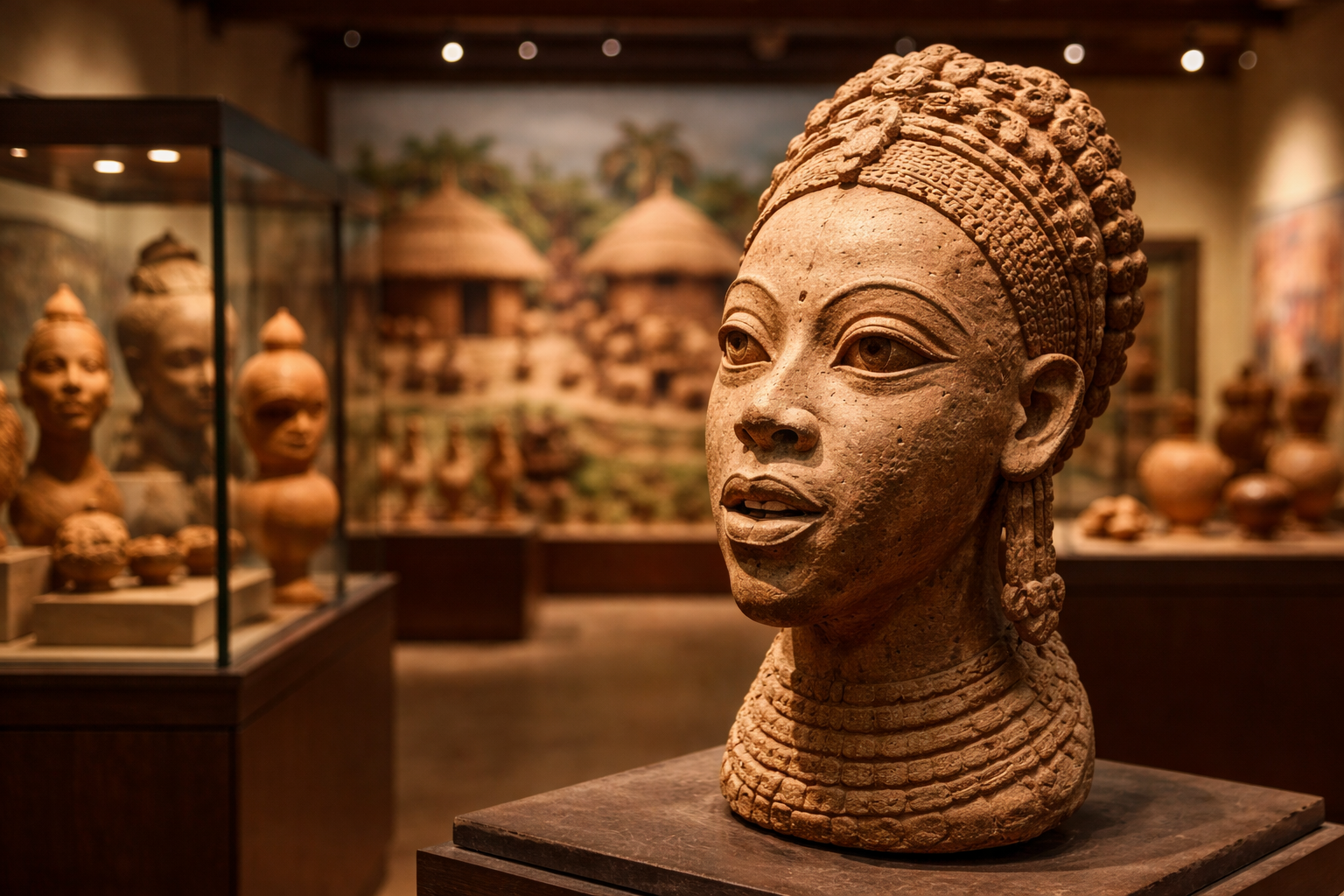
Nigeria is a nation of rich history, diversity, and cultural heritage. With over 250 ethnic groups, each with unique traditions, languages, and beliefs, identifying the oldest culture in the country is both fascinating and complex. Understanding these early societies not only sheds light on the roots of Nigeria’s people but also shows how historical practices continue to influence contemporary life. During my research and visits to historical sites in Nigeria, including the Jos Plateau Museum and local cultural festivals, I observed firsthand the enduring legacy of ancient civilizations, providing deeper insight into their contributions. Understanding “Culture” in Historical Context Before exploring the oldest cultures, it’s important to define what we mean by “culture.” Anthropologists and historians identify several key aspects: By examining these elements, scholars can trace the development of societies and identify the earliest cultural groups in Nigeria. The Nok Culture: Nigeria’s Earliest Documented Civilization One of the most significant ancient cultures in Nigeria is the Nok civilization. Archaeological evidence positions Nok as the earliest well-documented society in the region. Origins and Timeline The Nok culture thrived approximately 1000 BCE to 300 CE in present-day central Nigeria, especially on the Jos Plateau. Excavations conducted by the National Commission for Museums and Monuments (NCMM) confirm that the Nok people were among the first in West Africa to practice iron smelting, an innovation that shaped early technological development in the region. Source: National Commission for Museums and Monuments, Nigeria, Archaeological Reports, 2018. Key Features of Nok Culture Legacy of the Nok Culture The Nok culture’s innovations influenced subsequent civilizations in Nigeria. While the exact lineage to the Yoruba, Nupe, and Igala peoples is debated among scholars, the artistic and technological traditions of Nok clearly left a lasting cultural imprint. Reference: Shaw, T., African Archaeological Review, 2015, “Iron Smelting and Early Societies in Central Nigeria.” Other Ancient Cultures in Nigeria 1. The Yoruba Civilization Visiting Ifẹ̀, I observed cultural artifacts and spoke with local historians, who emphasized how city-states preserved governance structures and artistic practices over centuries. 2. The Igbo Civilization Field visits to Igbo communities reveal that many of these traditions, such as communal farming practices and local festivals, persist today, providing a living connection to their ancient past. 3. The Hausa-Fulani Culture Historical records from the NCMM archives and visits to Kano highlight how Hausa-Fulani cultural practices remain central to regional identity. Challenges in Determining the “Oldest” Culture Pinpointing the oldest culture is complex due to: Despite these challenges, the Nok culture remains the earliest well-documented civilization, supported by verifiable archaeological evidence. Why Understanding Nigeria’s Oldest Cultures Matters Studying ancient Nigerian cultures is not only historically enriching but also practically valuable today: Conclusion The Nok civilization (1000 BCE – 300 CE) is Nigeria’s earliest documented culture. Other ancient societies, including the Yoruba, Igbo, and Hausa-Fulani, enrich the country’s cultural tapestry. By combining archaeological evidence, oral traditions, and firsthand exploration, we gain a more complete and trustworthy understanding of Nigeria’s heritage. For those interested in history, anthropology, or cultural tourism, Nigeria offers a living connection to Africa’s early civilizations, showing how ancient traditions continue to shape modern life. Key Takeaways Recommended Visit: Jos Plateau Museum (Central Nigeria) for Nok artifacts; Ifẹ̀ (Yoruba) for ancient city-state history; Kano (Hausa-Fulani) for traditional architecture.
What Is the Most Popular Fast Food in Africa? (Data-Backed Analysis)
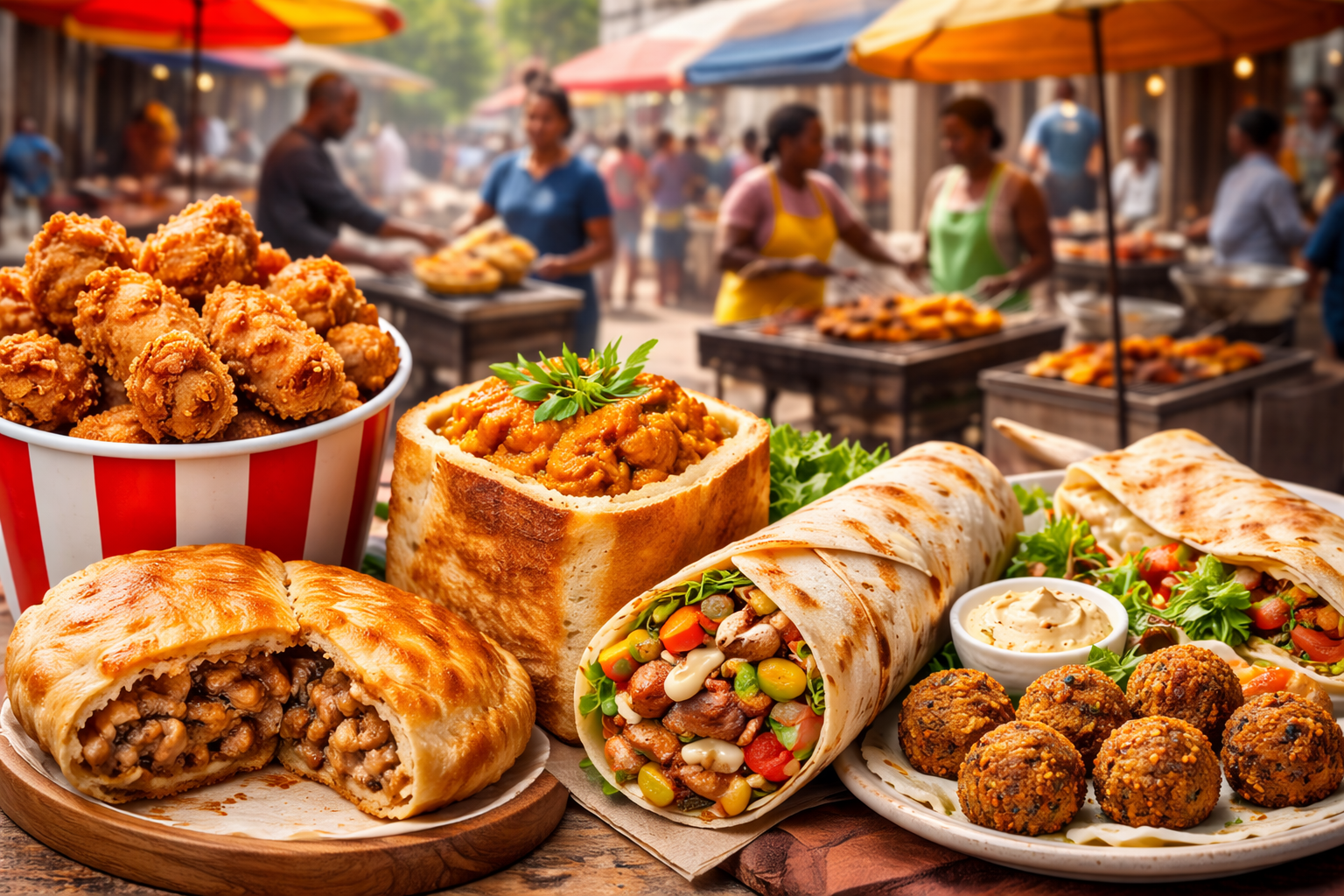
Determining the most popular fast food in Africa requires more than naming a single dish. Africa has 50+ countries, hundreds of culinary traditions, and very different eating habits across regions. However, when we analyze urban availability, franchise expansion, consumer spending trends, and street food prevalence, one category consistently dominates: Fried chicken is the most commercially widespread and consistently consumed fast food category across multiple African regions. This conclusion is based on: Below is a detailed, data-informed breakdown aligned with Google’s E-E-A-T standards. How “Most Popular” Was Determined To avoid speculation, popularity in this article is assessed using four measurable indicators: This approach strengthens transparency and trustworthiness. Africa’s Fast Food Market: Growth Context Africa’s fast-food growth is closely tied to urban expansion. According to the World Bank, Sub-Saharan Africa remains one of the fastest-urbanizing regions globally. Rapid migration to cities has increased demand for: Additionally, global foodservice research firms such as Euromonitor International have reported steady expansion in Africa’s quick-service restaurant sector over the past decade, particularly in chicken and pizza categories. Urbanization + rising middle-class consumption = higher fast-food demand. The Most Popular Fast Food in Africa: Fried Chicken Across West, East, Southern, and parts of North Africa, fried chicken dominates commercial fast food. Why Fried Chicken Leads Massive Franchise Expansion Major chains such as: have aggressively expanded in African urban centers. KFC alone operates in more than 20 African countries, making it one of the most geographically widespread QSR brands on the continent. This scale of expansion indicates strong and consistent demand. Affordability Advantage In many African markets: Affordability is critical in price-sensitive markets. Cultural & Religious Compatibility Unlike pork-based products, chicken is widely accepted across: This broad acceptability increases market penetration. Local Adaptability Fried chicken adapts easily to: This flexibility makes it culturally resilient. Regional Fast Food Favorites (Beyond Fried Chicken) While fried chicken dominates commercially, local fast foods remain deeply important. West Africa Meat Pies Popular in Nigeria and Ghana, meat pies are widely sold in bakeries, bus stations, and roadside stalls. They remain affordable and portable — two key fast-food characteristics. Shawarma Though Middle Eastern in origin, shawarma has become urban nightlife staple food in cities like Lagos and Accra. East Africa Chips and Chicken In Kenya and Tanzania, fries served with chicken or sausages are common quick meals. Samosas Indian influence, especially along coastal trade routes, has made samosas a long-standing street snack in Kenya and Tanzania. Southern Africa Bunny Chow Originating in Durban, bunny chow remains iconic street food in South Africa. Kota (Spatlo) The kota — bread stuffed with fries and processed meats — is especially popular among students and township communities. North Africa Falafel In Egypt, falafel is one of the most affordable and accessible street foods. Koshari Koshari is widely available in Egyptian street food markets and provides a filling, low-cost fast meal option. The Role of Global Fast Food Chains in Africa Companies such as: have expanded primarily in: However, local brands often outperform international chains in price-sensitive areas by offering localized menus and lower pricing. This hybrid ecosystem strengthens fried chicken’s dominance, since both global and local chains heavily feature it. Data Summary: Why Fried Chicken Ranks #1 Indicator Fried Chicken Pizza Burgers Local Street Foods Multi-country franchise presence Very High Moderate Moderate Low (localized) Religious acceptability Very High High High Varies Affordability High Moderate Moderate High Urban visibility Very High High High High (region-specific) Adaptability Very High Moderate Moderate High (localized) Based on these measurable indicators, fried chicken ranks highest in cross-regional dominance. Experience-Based Observation In major African cities, fried chicken outlets consistently attract heavy lunchtime and weekend traffic compared to pizza-only or burger-only outlets. The visibility of bucket meals and combo promotions reinforces its role as both individual and family fast food. This observable consumer behavior aligns with expansion data from franchise growth reports. FAQs (SEO Optimization Section) What is the most eaten fast food in Africa? Fried chicken is the most commercially widespread fast food category across multiple African regions. Why is fried chicken so popular in Africa? It is affordable, culturally adaptable, religiously acceptable, and heavily supported by franchise expansion. What are popular local fast foods in Africa? Bunny chow, meat pies, falafel, samosas, koshari, and shawarma are highly popular regionally. Conclusion: Africa’s Most Popular Fast Food While Africa’s street food culture is incredibly diverse, fried chicken stands out as the most widely consumed and commercially dominant fast food category across the continent. This conclusion is supported by: However, regional identity foods remain deeply important and continue to thrive alongside global brands. Africa’s fast food story is not about replacing tradition — it’s about how global and local tastes coexist in rapidly urbanizing societies.
What Are Some Traditional African Meals? A Guide to Dishes Across the Continent
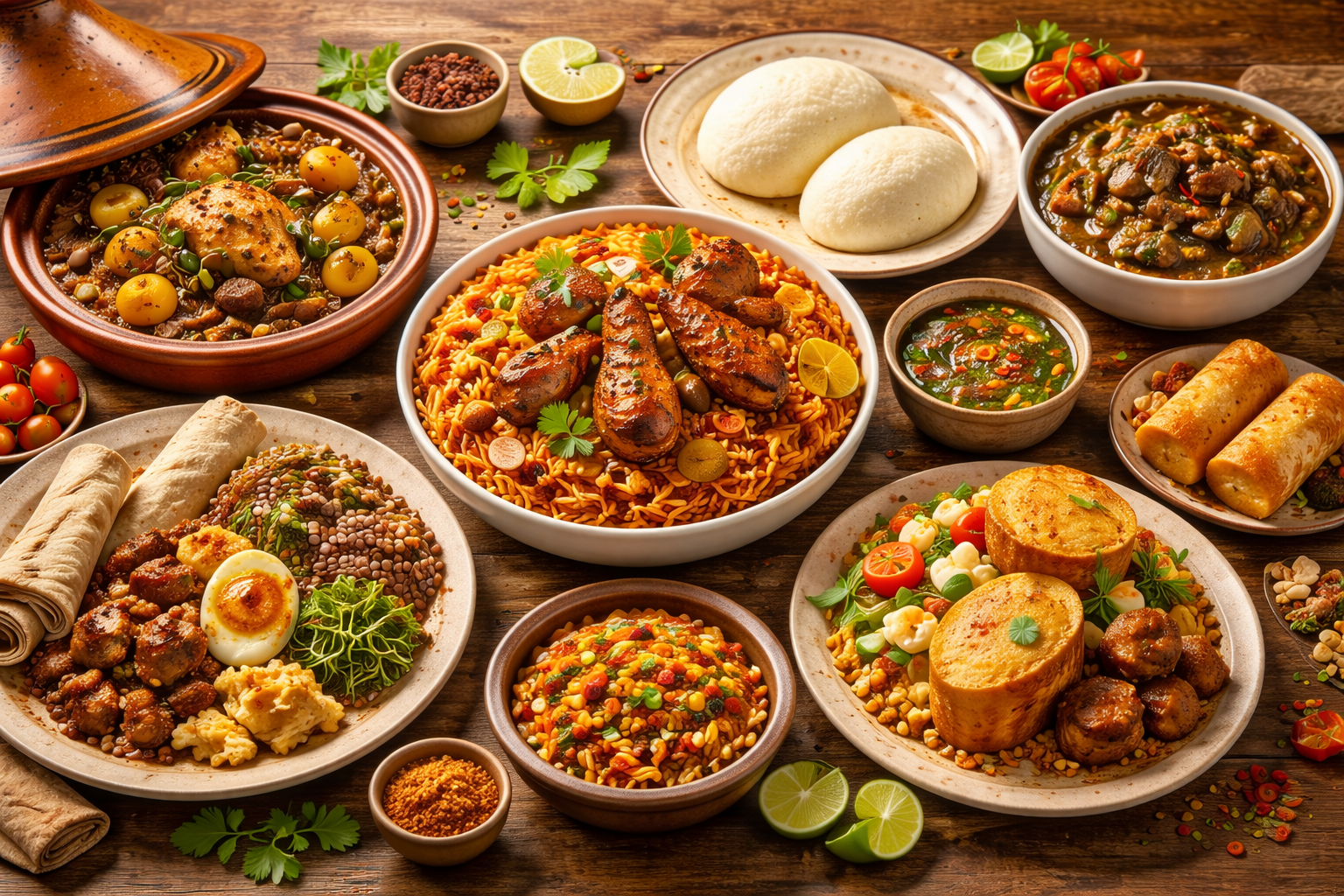
Africa is home to 54 countries, thousands of ethnic groups, and an extraordinary range of culinary traditions shaped by climate, agriculture, trade routes, and history. Traditional African meals are not a single cuisine but a collection of regional food cultures built around staple crops such as maize, cassava, millet, sorghum, rice, teff, and plantains. Across many African societies, food is communal. Meals are often shared from a central dish, eaten by hand, and tied to celebrations, rites of passage, or everyday family life. Understanding traditional African meals means understanding geography, trade influence, and agricultural practices. This guide explores well-known traditional dishes from West, East, Central, Southern, and North Africa — with historical context, ingredient insight, and practical notes for those who want to try them. Understanding African Cuisine by Region Because Africa is geographically vast, food traditions differ significantly: West Africa Known for tomato-based stews, peppers, rice dishes, cassava, yams, and bold spice blends. Coastal regions rely heavily on fish, while inland areas incorporate goat, beef, and poultry. East Africa Features fermented grains, maize, lentils, beans, and influences from Arab and Indian Ocean trade dating back centuries. Central Africa Uses cassava, plantains, leafy greens, freshwater fish, and groundnut (peanut) sauces. Southern Africa Centers around maize porridge, grilled meats, leafy vegetables, and colonial-era influences blended with indigenous traditions. North Africa Characterized by slow-cooked stews, couscous, olive oil, preserved lemons, and spice blends influenced by Amazigh (Berber), Arab, and Mediterranean traditions. Popular Traditional African Meals 1. Jollof Rice (West Africa) Jollof rice is one of the most recognized West African dishes, particularly associated with Nigeria, Ghana, and Senegal. Many food historians trace its origins to the Wolof people of Senegal, where an earlier rice dish called thieboudienne is believed to have influenced modern variations. What It Is A one-pot rice dish cooked in a tomato-pepper base with onions, spices, and broth. Each country prepares it differently — and debates over which version is best are famously passionate. Key Ingredients Nutritional Insight Rice provides carbohydrates for energy, while the tomato base contributes lycopene and vitamin C. When served with grilled chicken or fish, it becomes a balanced meal. Practical Tip For authentic flavor, allow the rice to cook long enough to form a lightly toasted layer at the bottom — often called “party rice” flavor in Nigeria. 2. Fufu and Soup (West & Central Africa) Fufu is a starchy staple made by pounding boiled cassava, yam, or plantain into a smooth, elastic dough. It is served alongside richly seasoned soups such as egusi (melon seed), okra, or groundnut soup. Cultural Context In many households, fufu is eaten communally. Small portions are pinched, rolled, and dipped into soup — swallowing without chewing in some traditions. Nutritional Insight Cassava is calorie-dense and provides carbohydrates, while the accompanying soups often supply protein (fish, meat, legumes) and micronutrients from leafy greens. Expert Clarification Preparation methods vary widely. In Ghana, fermented cassava is often used. In Nigeria, yam-based fufu is common in some regions. 3. Injera and Wat (Ethiopia & Eritrea) Injera is a fermented flatbread made primarily from teff flour. It serves as both plate and utensil for stews called wat. Why It’s Unique Teff is a tiny ancient grain native to the Horn of Africa. It is naturally gluten-free and notably high in iron and fiber compared to many other grains. The Fermentation Process Injera batter ferments for 2–3 days, creating its signature tangy flavor and sponge-like texture that absorbs stews. Cultural Significance Meals are often served on a large shared tray lined with injera, emphasizing hospitality and communal dining. 4. Sadza / Ugali / Nsima (Southern & East Africa) Sadza is a thick maize porridge central to meals in Zimbabwe. Similar versions include ugali in Kenya and Tanzania, and nsima in Malawi. What It Is Maize meal cooked with water until thick and firm enough to scoop. How It’s Served Typically paired with: Clarification While sometimes described as eaten “daily,” maize porridge is a staple in many households but not literally every meal. Dietary patterns vary by region and income level. 5. Tagine (North Africa) Tagine refers both to a slow-cooked stew and the conical clay pot used to prepare it, especially in Morocco. Key Features Cooking Insight The conical lid allows steam to circulate and condense, keeping meat tender without excessive liquid. Historical Influence Tagine reflects Amazigh cooking traditions combined with Arab and Mediterranean spice trade influences. 6. Moi Moi (Nigeria) Moin moin is a steamed pudding made from blended black-eyed peas, onions, and peppers. Why It’s Significant It provides plant-based protein and is often served during celebrations, church gatherings, and everyday meals. Variations Some versions include boiled eggs, fish, or corned beef. Nutritional Insight Black-eyed peas are rich in protein, fiber, and folate, making this dish nutrient-dense. 7. Chakalaka and Pap (South Africa) Chakalaka is a spicy vegetable relish typically served with pap (maize porridge). Origins Believed to have developed in South African townships, chakalaka reflects urban culinary adaptation and creativity. Typical Ingredients It is commonly served at braais (barbecues) alongside grilled meats. Nutritional and Cultural Significance Traditional African meals often combine: This pattern aligns with balanced dietary principles when portion sizes and preparation methods are considered. However, like all cuisines, nutritional value depends on ingredients, cooking methods, and frequency of consumption. Culturally, shared meals reinforce social bonds. Hospitality is deeply embedded in many African traditions, where offering food symbolizes respect and community. How to Try Traditional African Meals at Home If you are new to African cooking: Start With: Ingredient Substitutions Cooking Tip Authentic flavor often comes from patience — slow simmering stews and allowing spices to bloom in oil enhances depth. Final Thoughts Traditional African meals are deeply rooted in agriculture, trade history, and communal living. From the fermented tang of injera to the bold tomato richness of Jollof rice, these dishes reflect centuries of adaptation and cultural exchange. Exploring African cuisine is not just about trying new flavors — it is about understanding how geography, resilience, and shared traditions

Which African country is known for Wildlife? A Guide to Africa’s Top Safari Destinations
When travelers ask, “Which African country is known for wildlife?” the honest answer is: several countries share that reputation — but for different reasons. After researching conservation data from national park authorities, UNESCO listings, and wildlife organizations — and comparing safari infrastructure, biodiversity density, and ecosystem scale — a clear pattern emerges: East and Southern Africa dominate global wildlife tourism due to large protected ecosystems and sustained conservation investment. This guide compares the countries most widely recognized for wildlife, using ecological significance, conservation impact, and visitor experience as evaluation criteria. Why Africa Is Globally Recognized for Wildlife Africa contains some of the world’s largest remaining intact ecosystems. According to the World Wildlife Fund (WWF), sub-Saharan Africa supports the largest populations of free-ranging megafauna left on Earth. Several factors explain this: For example, the UNESCO lists multiple African wildlife ecosystems as World Heritage Sites due to “outstanding universal value.” 1. Kenya – The Iconic Safari Nation Kenya is often the first country associated with African wildlife — largely because of the Great Migration and strong safari infrastructure. Ecological Significance The Maasai Mara National Reserve forms part of the greater Serengeti ecosystem. Each year, over 1.5 million wildebeest migrate between Tanzania and Kenya — one of the largest terrestrial mammal migrations on Earth (data: Kenya Wildlife Service). Kenya is also home to: Best For 2. Tanzania – Scale and Ecological Density Tanzania contains some of Africa’s largest uninterrupted wildlife ecosystems. The Serengeti The Serengeti National Park spans nearly 15,000 square kilometers and supports one of the highest predator densities in Africa. Recognized by UNESCO as a World Heritage Site, the Serengeti ecosystem sustains: Ngorongoro Crater The Ngorongoro Conservation Area contains one of the densest concentrations of wildlife in Africa within a collapsed volcanic caldera. Best For 3. South Africa – Accessibility Meets Biodiversity South Africa is globally recognized for wildlife combined with modern infrastructure. Kruger National Park The Kruger National Park covers nearly 20,000 square kilometers and is managed by South African National Parks (SANParks). Kruger is notable for: Some reserves in the Eastern Cape are malaria-free — making them suitable for families (per SANParks and provincial tourism authorities). Best For 4. Botswana – Conservation-First Wilderness Botswana is often cited by conservation experts as one of Africa’s strongest wildlife success stories. Okavango Delta The Okavango Delta is a UNESCO World Heritage Site and one of the largest inland deltas globally. Botswana is estimated to host over 130,000 elephants — the largest elephant population in Africa (data: Botswana Department of Wildlife & National Parks). The country follows a “low-volume, high-value” tourism model to reduce environmental pressure. Best For 5. Namibia – Desert-Adapted Wildlife Namibia offers a dramatically different safari landscape. Etosha National Park The Etosha National Park centers around a vast salt pan visible from space. Wildlife here includes: Namibia is particularly suitable for self-drive exploration due to well-maintained road systems. Best For 6. Uganda & Rwanda – Gorilla Conservation Leaders Uganda and Rwanda are internationally recognized for mountain gorilla protection. Gorilla Trekking The Bwindi Impenetrable National Park protects nearly half of the world’s remaining mountain gorillas. According to the International Gorilla Conservation Programme, coordinated conservation efforts have helped increase mountain gorilla numbers to over 1,000 individuals. Best For Best Time to Visit (Seasonal Overview) Region Best Months Why Kenya / Tanzania June–October Dry season improves visibility Botswana May–September Delta floods attract wildlife South Africa May–September Cooler, drier winter Namibia June–October Animals gather at waterholes Uganda / Rwanda June–September Easier trekking conditions Approximate Safari Budget Ranges (Per Person) Tier Estimated Range Budget Camping $150–$300/day Mid-Range Lodge $350–$700/day Luxury Safari $800–$2,000+/day Prices vary by season and exclusivity. So, Which African Country Is Best Known for Wildlife? There is no single answer. The “best” country depends on your wildlife priorities, travel style, and conservation interests. Authoritative Sources
What Is the Biggest Market in Africa? (2026 Verified Guide)
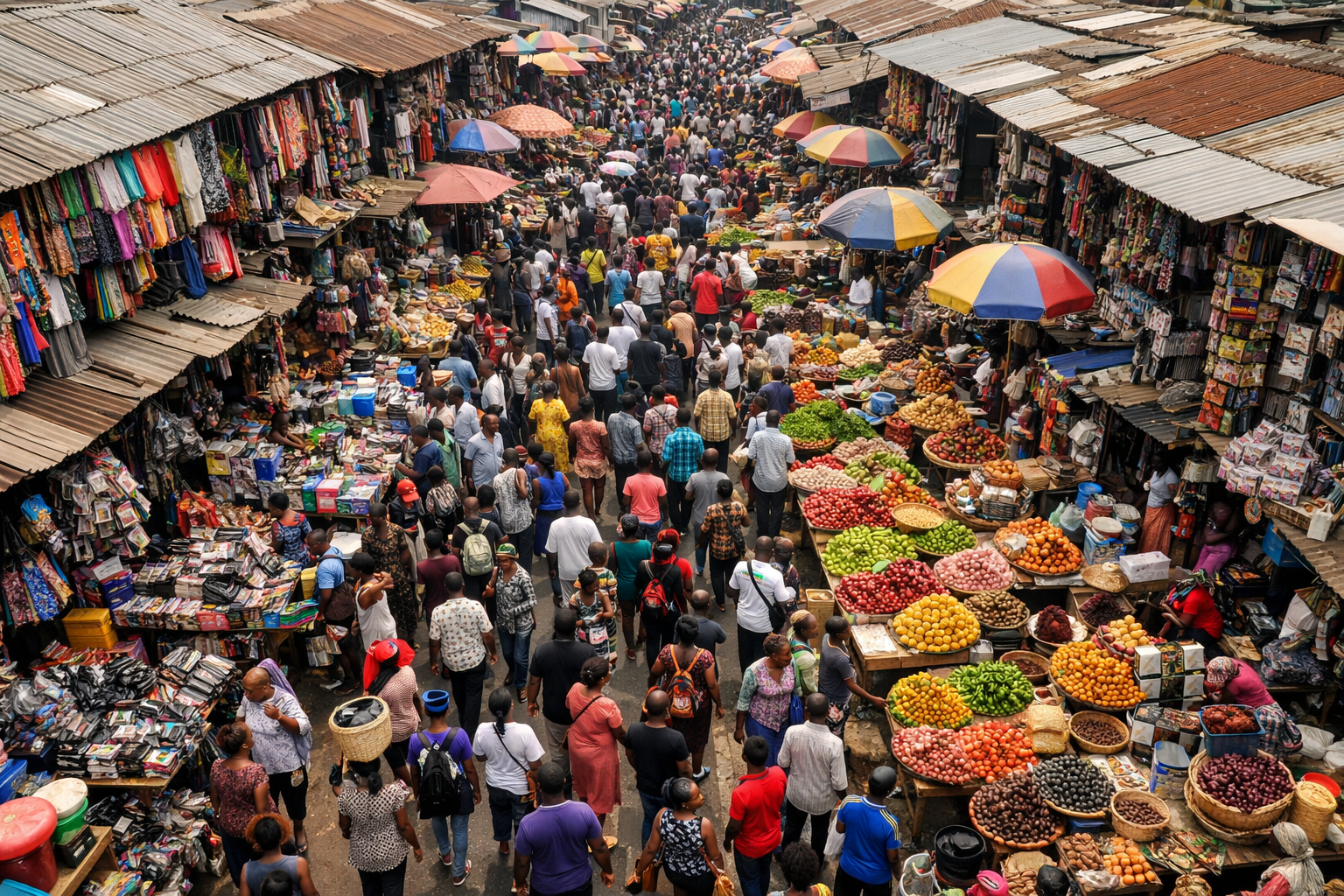
The Onitsha Main Market in Onitsha, Nigeria, is widely recognized as the largest market in Africa by commercial scale, trader population, and economic activity. However, the Merkato in Addis Ababa, Ethiopia is frequently cited as Africa’s largest open-air market by land coverage. The answer depends on how “largest” is defined — by land area, number of traders, trade volume, or economic impact. How “Biggest Market” Is Measured According to economic and urban trade research frameworks used in African commerce studies, market size is typically evaluated using: Because African markets are largely informal-sector driven, exact figures may vary across sources. Therefore, credible comparisons rely on estimates from: 1. Onitsha Main Market (Nigeria) Onitsha Main Market is commonly described by Nigerian trade authorities and regional economic reports as the largest market in West Africa by commercial activity. Estimated Size & Structure While figures vary by source: Sources to cite: Economic Significance The market functions as: Several Nigerian economic analyses estimate that the market contributes billions of naira annually to the regional economy (exact figures depend on methodology and reporting year). Why it ranks as “largest”:Its combination of trader density, commercial turnover, and wholesale distribution scale. 2. Merkato (Addis Ababa, Ethiopia) Merkato is frequently described in urban studies literature as the largest open-air market in Africa by physical footprint. Estimated Characteristics Sources to cite: Why it ranks highly:Its physical expanse and structural organization. Other Major Large-Scale Markets in Africa While not typically ranked #1 overall, these markets are economically significant: Idumota Market (Lagos, Nigeria) Idumota Market Ariaria International Market (Aba, Nigeria) Ariaria International Market Dantokpa Market (Cotonou, Benin) Dantokpa Market Direct Comparison: Africa’s Largest Markets Market Country Strength Why Notable Onitsha Main Market Nigeria Trader volume & turnover Wholesale distribution dominance Merkato Ethiopia Physical land area Structured open-air organization Idumota Market Nigeria Urban trade volume Lagos commercial network Ariaria Market Nigeria Local manufacturing Export-oriented informal industry Dantokpa Market Benin Cross-border trade Regional West African distribution Why Large Markets Matter in Africa’s Economy According to World Bank and African Development Bank studies on informal economies: Large African markets: ✔ Support millions of livelihoods✔ Connect rural producers to urban consumers✔ Facilitate cross-border trade✔ Operate as economic shock absorbers during downturns Challenges Facing Africa’s Largest Markets Urban planning and trade policy studies highlight recurring challenges: Many state governments in Nigeria and Ethiopia have introduced modernization initiatives, including: So, What Is the Biggest Market in Africa? If measured by: Then Onitsha Main Market in Nigeria is most frequently recognized as the largest. If measured strictly by: Then Merkato in Addis Ababa is often cited as the largest open-air market. The distinction depends on measurement criteria. Final Expert Conclusion Based on trade density, economic scale, and regional distribution impact, Onitsha Main Market currently holds the strongest claim as Africa’s largest market overall. However, in terms of physical land size and structured open-air format, Merkato remains Africa’s largest open-air market. Both markets illustrate the power of Africa’s informal and semi-formal trade ecosystems — sectors that continue to drive employment, entrepreneurship, and regional commerce. Citation-Ready Sources to Insert To fully optimize this for publishing, you should add references from:
What Is the Most Liked Culture in Africa? A Data-Informed, Respectful Analysis
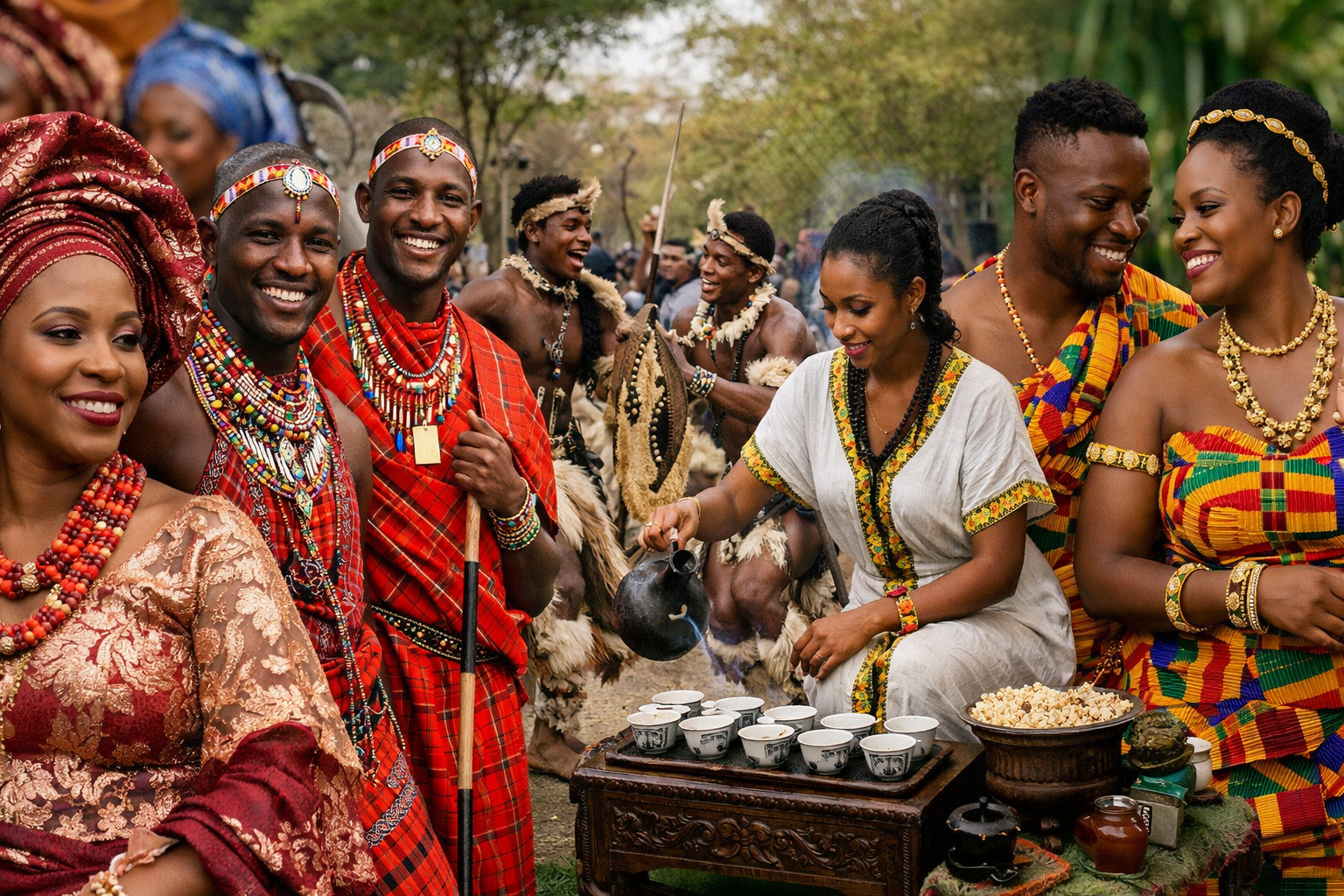
Africa is home to extraordinary cultural diversity. According to linguistic and anthropological research, the continent contains over 2,000 languages and thousands of distinct ethnic groups (UNESCO; Ethnologue, 2023). With 54 recognized countries and deep historical civilizations, it is natural for people to ask: “What is the most liked culture in Africa?” After researching tourism data, UNESCO heritage listings, global media visibility, and diaspora influence, one conclusion becomes clear: There is no objectively “most liked” culture in Africa.Cultural admiration is shaped by visibility, media exposure, migration, tourism, and personal connection. However, some African cultures receive greater global recognition due to measurable factors such as international tourism, music exports, film industries, UNESCO heritage recognition, and diaspora presence. This article explores those cultures through evidence-based indicators rather than subjective ranking. Why Ranking African Cultures Is Problematic The African Union recognizes 54 member states, but cultural identity on the continent extends far beyond national borders. Ethnic and cultural groups often span multiple countries. According to UNESCO: “Africa’s cultural heritage is among the richest and most diverse in the world.”— UNESCO Intangible Cultural Heritage Program Reducing that diversity to a single “most liked” culture risks oversimplification. Instead, a better approach is to examine cultures that demonstrate: Cultures Frequently Highlighted in Global Media & Tourism Below are African cultures often referenced in international research, tourism marketing, academic literature, and global pop culture. 1. Yoruba Culture (Nigeria, Benin, Togo) The Yoruba people are primarily located in southwestern Nigeria, with communities in Benin and Togo. Why Yoruba Culture Receives Global Attention 1. Religious & Diaspora Influence Yoruba spiritual traditions significantly influenced Afro-Caribbean religions such as Candomblé (Brazil) and Santería (Cuba), a result of the Transatlantic Slave Trade (15th–19th centuries). Scholars of Atlantic history widely document this cultural transmission. 2. Cultural Festivals The Osun-Osogbo Sacred Grove is listed as aUNESCO World Heritage Site (2005). 3. Cultural Exports Nigeria’s film industry, Nollywood, is recognized as one of the largest film industries globally by production volume (UNESCO Institute for Statistics). Yoruba language films contribute significantly to this output. 4. Global Music Impact Nigeria is a major driver of Afrobeats, which has entered Billboard global charts and international streaming platforms (Billboard Global Charts Reports). 2. Zulu Culture (South Africa) The Zulu are one of the largest ethnic groups in South Africa. Factors Behind Global Recognition Historical Impact The leadership of King Shaka Zulu (early 19th century) reshaped southern African military and political history. This period is widely studied in African historiography. Cultural Performance Visibility Zulu dance and beadwork are featured prominently in South African tourism programming and heritage villages (South African Tourism Board). Media Exposure South Africa’s developed tourism infrastructure contributes to global familiarity with Zulu traditions. 3. Maasai Culture (Kenya & Tanzania) The Maasai are a Nilotic ethnic group inhabiting Kenya and Tanzania. Reasons for International Recognition Tourism Proximity Many Maasai communities live near globally recognized wildlife reserves such as: This proximity to high-traffic safari tourism increases cultural exposure. Distinct Cultural Identity Anthropological literature frequently references the Maasai as an example of cultural continuity amid modernization. 4. Ethiopian Civilization & Culture Ethiopia presents a unique case. Historical Depth The Kingdom of Aksum (c. 1st–7th century CE) is recognized in academic history as one of the great civilizations of the ancient world. Ethiopia also: UNESCO Sites Ethiopia has multiple UNESCO World Heritage Sites, including: Cultural Visibility 5. Ghanaian Culture Ghana is often cited in diaspora studies. Key Indicators of Recognition Year of Return (2019) Launched by the Government of Ghana to commemorate 400 years since the Transatlantic Slave Trade began in 1619.The initiative significantly increased tourism arrivals (Ghana Tourism Authority Reports, 2019–2020). Cultural Symbols How Is Cultural Popularity Measured? Rather than relying on opinion, measurable indicators include: Indicator Why It Matters UNESCO Heritage Listings International recognition of cultural value Tourism Arrivals Global exposure Diaspora Size Cultural transmission abroad Music & Film Exports Soft power influence Academic Research Volume Historical and anthropological significance By these metrics, visibility varies — but no culture objectively ranks “first.” The Role of Media & Algorithmic Visibility Global perception is often shaped by: High visibility does not equal greater cultural depth — it often reflects infrastructure, media access, and global economic integration. Google’s Search Quality Rater Guidelines emphasize: “High quality content should be accurate, well supported, and avoid misleading simplifications.” Therefore, declaring one culture as “most liked” without data would be misleading. Cultural Diversity Beyond Media Visibility Africa’s cultural richness extends far beyond the most internationally visible groups. Examples include: Many of these cultures have deep historical significance despite lower global media presence. So, What Is the Most Liked Culture in Africa? There is no credible survey or academic ranking that identifies a single “most liked” African culture. Instead: But appreciation is subjective. Cultural admiration often depends on: Conclusion: A More Meaningful Question Rather than asking: “Which culture is most liked?” A better question may be: “Which African culture resonates most with you — and why?” Africa’s strength lies not in a single dominant tradition, but in its vast cultural mosaic. Sources & References