

Traveling to a new country is one of the most enriching experiences a person can have. It exposes you to different lifestyles, traditions, and ways of thinking. However, cultural misunderstandings can easily happen when travelers are unfamiliar with local social norms.
According to research from the UN World Tourism Organization, international travel surpassed 1.3 billion global arrivals annually before the pandemic, highlighting how frequently people interact across cultures. With so many cross-cultural encounters happening every day, understanding cultural etiquette has become more important than ever.
Cultural etiquette refers to the unspoken social rules that guide respectful behavior in a particular society. What is considered polite in one country may be inappropriate—or even offensive—in another.
Learning a few basic etiquette principles before traveling can help you:
- Avoid awkward misunderstandings
- Show respect for local traditions
- Build positive connections with locals
- Enjoy a more authentic travel experience
Based on guidance from respected travel sources like Lonely Planet and National Geographic, here are 10 essential cultural etiquette rules every traveler should know.
1. Learn Basic Greetings in the Local Language
One of the simplest ways to show respect when visiting a new country is learning a few basic phrases in the local language.
Common phrases to learn include:
- Hello
- Please
- Thank you
- Excuse me
- Goodbye
Even small efforts can create a positive impression.
For example, during a visit to a small café in Spain, simply greeting the owner with “Hola” before ordering instantly changed the interaction. Instead of a quick transaction, the owner became friendlier and even suggested local dishes to try.
Travel experts at Lonely Planet note that attempting to speak the local language often leads to warmer interactions and greater cultural acceptance from locals.
In many cultures, skipping a greeting entirely can be viewed as rude.
2. Dress According to Local Cultural Norms
Clothing standards vary widely around the world, especially in religious or traditional communities.
For instance:
- In many Middle Eastern countries, modest clothing is expected in public spaces.
- When visiting temples in Thailand, visitors are required to cover shoulders and knees.
- In parts of Europe, beachwear is considered inappropriate away from coastal areas.
According to travel guidance from National Geographic, respecting local dress codes demonstrates cultural awareness and prevents unintentional disrespect.
Before visiting religious sites or conservative areas, travelers should research dress expectations to avoid uncomfortable situations.
3. Understand Local Dining Etiquette
Food plays a central role in cultural identity, and table manners can vary significantly between cultures.
Some examples include:
- In Japan, it is considered polite to say “Itadakimasu” before eating.
- In parts of the Middle East and India, eating with the right hand is customary.
- In China, leaving a small amount of food on your plate may signal that the host provided enough.
Dining customs can be surprisingly different from what travelers are used to at home.
Experts from BBC Travel note that observing how locals behave at the table is often the best way to avoid dining etiquette mistakes.
When unsure, politely following the host’s lead is usually the safest approach.
4. Be Aware of Personal Space Differences
Different cultures have different comfort levels when it comes to physical distance during conversations.
Cross-cultural communication studies show that:
- People in Mediterranean and Latin American cultures often stand closer during conversations.
- Northern Europeans and North Americans generally prefer more personal space.
These differences can sometimes lead to awkward moments if travelers are unaware of them.
Pay attention to body language. If someone steps back during a conversation, it may indicate they prefer more distance.
5. Respect Religious Customs and Sacred Spaces
Religion plays an important role in many societies, and visitors are expected to behave respectfully when entering religious locations.
Common etiquette rules include:
- Removing shoes before entering temples or mosques
- Dressing modestly
- Speaking quietly
- Avoiding photography when prohibited
For example, many mosques require visitors to remove their shoes before entering prayer areas.
Travel guidelines from UN World Tourism Organization emphasize that respect for religious traditions helps maintain positive relationships between visitors and local communities.
Being mindful of these customs shows appreciation for the cultural significance of these places.
6. Always Ask Permission Before Taking Photos of People
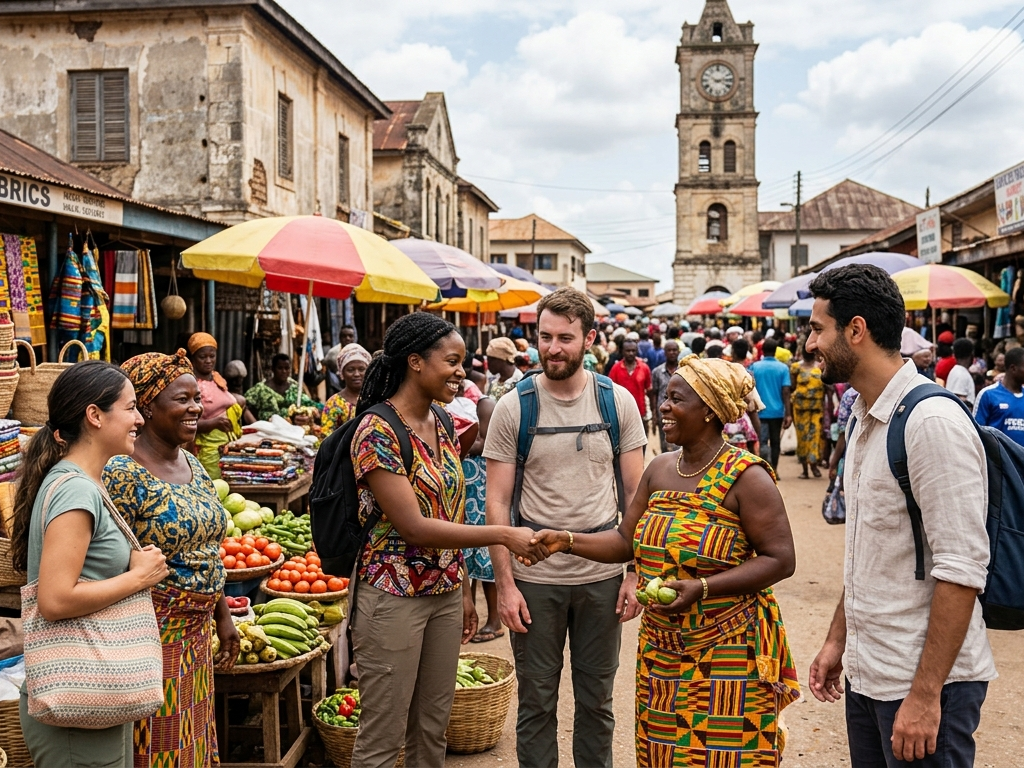
Photography is a common part of travel, but taking pictures of strangers without permission can be considered intrusive in many cultures.
In some communities:
- People may feel uncomfortable being photographed
- Certain ceremonies prohibit photography
- Cultural beliefs may discourage being photographed
According to guidance from National Geographic, asking permission before taking someone’s photo is considered respectful travel behavior.
A simple smile and polite request can make interactions more positive and respectful.
7. Be Careful With Hand Gestures
Hand gestures can have very different meanings depending on the country.
Examples include:
| Gesture | Meaning in Different Countries |
|---|---|
| Thumbs up | Offensive in parts of the Middle East |
| OK sign | Considered insulting in Brazil |
| Pointing with a finger | Viewed as rude in several Asian cultures |
Because gestures can easily be misunderstood, it is often safest to use neutral body language when communicating abroad.
Understanding these differences can prevent unintended offense.
8. Learn Local Tipping Customs
Tipping expectations vary greatly across the world.
Examples include:
- In the United States, tipping 15–20% is standard in restaurants.
- In Japan, tipping may be unnecessary and sometimes refused.
- In parts of Europe, service charges are often included in the bill.
Travel experts at Lonely Planet advise travelers to research tipping practices before visiting a country, as inappropriate tipping can cause confusion.
Knowing the local customs helps travelers show appreciation appropriately.
9. Understand Cultural Attitudes Toward Time
Not all cultures view punctuality in the same way.
For example:
- In Germany and Switzerland, punctuality is highly valued.
- In many Latin American cultures, social events may begin later than scheduled.
According to research discussed by BBC Travel, these differences reflect deeper cultural attitudes toward time and social interaction.
When attending business meetings, arriving on time is usually expected. For casual social gatherings, flexibility may be more common.
10. Observe and Adapt to Local Behavior
One of the most effective ways to understand cultural etiquette is simply observing how locals behave.
Pay attention to how people:
- Greet each other
- Interact in shops and restaurants
- Express gratitude
- Enter homes or shared spaces
Adapting to these behaviors shows respect and cultural awareness.
Experienced travelers often say that observation is one of the most valuable tools for navigating unfamiliar environments.
Why Cultural Etiquette Matters When Traveling
Respecting cultural etiquette is not just about avoiding awkward moments—it also improves the overall travel experience.
According to research from the UN World Tourism Organization, responsible tourism practices help preserve cultural heritage and promote positive interactions between visitors and local communities.
When travelers show respect for local customs, they are more likely to receive:
- Friendlier interactions
- Helpful advice from locals
- Deeper cultural insights
Ultimately, cultural awareness helps create more meaningful travel experiences.
Final Thoughts
Travel allows people to explore new environments, meet diverse communities, and broaden their perspectives. However, the most rewarding travel experiences happen when visitors approach new cultures with curiosity and respect.
Learning basic greetings, respecting religious traditions, understanding dining customs, and observing local behavior can help travelers navigate unfamiliar cultures confidently.
Cultural etiquette does not require perfection. What matters most is the willingness to learn, adapt, and show genuine respect for the communities you visit.
When travelers embrace this mindset, they contribute to positive cultural exchange and memorable travel experiences for everyone involved.