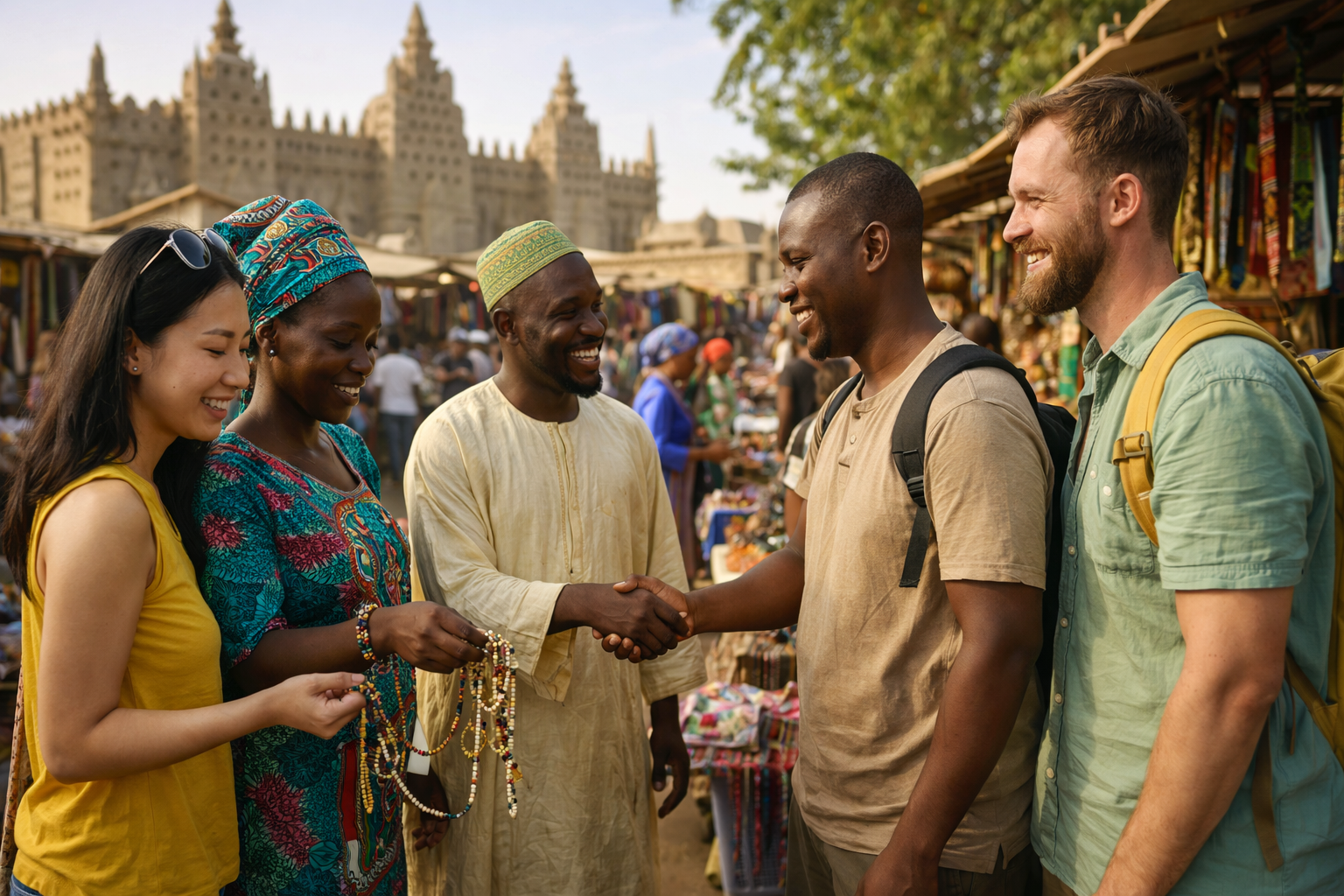
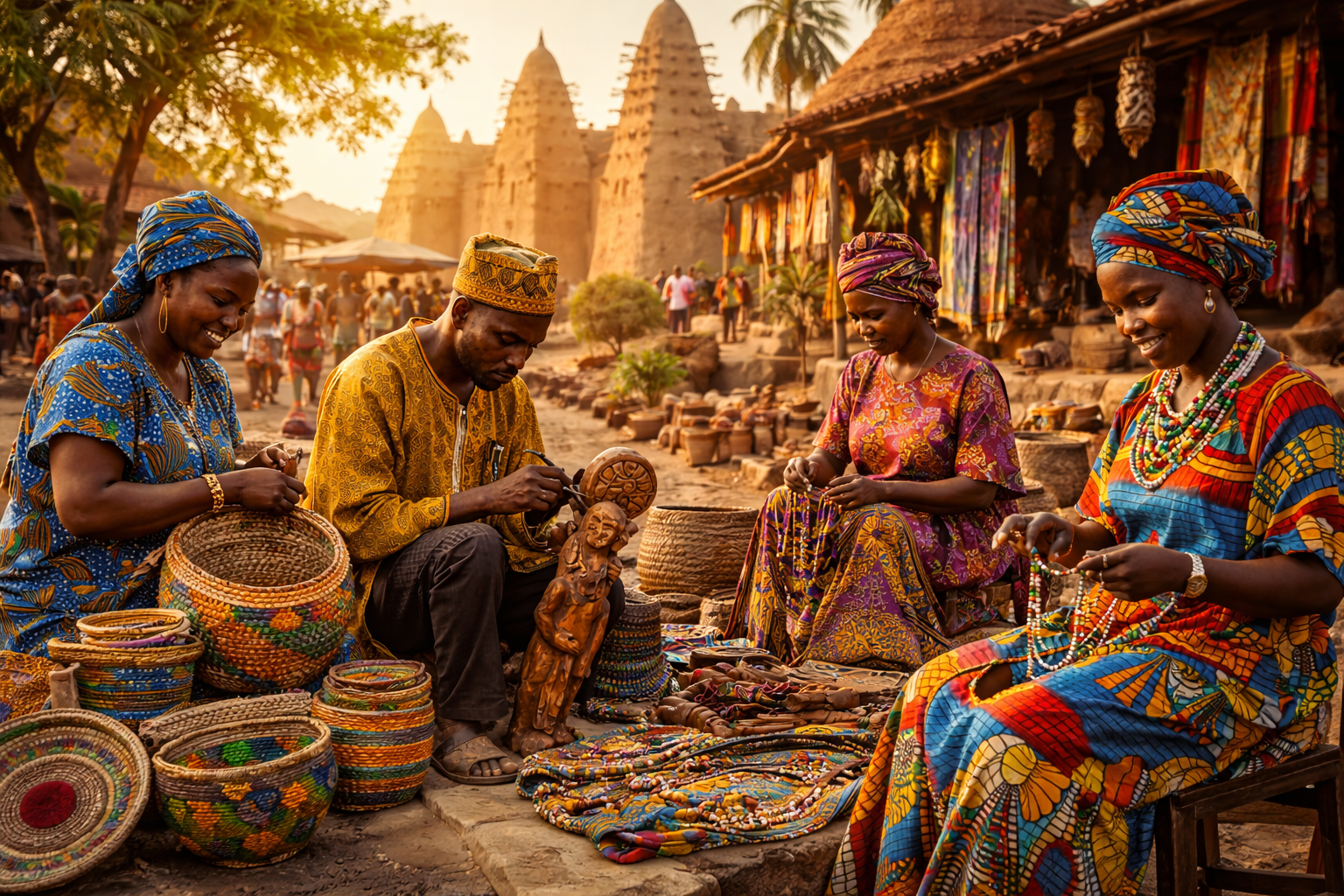
For years, Africa has been globally marketed as a safari destination. But on recent visits to community-run heritage sites in East and West Africa, one pattern has become clear: travelers are increasingly seeking cultural depth rather than curated spectacle. They want context. They want conversation. They want a connection.
According to the United Nations World Tourism Organization (UNWTO), cultural tourism accounts for approximately 40% of global tourism activity, and demand for experiential, heritage-based travel continues to grow. Across Africa, this shift is reshaping how destinations design and deliver tourism experiences.
The future of cultural travel in Africa is no longer centered solely on monuments or wildlife. It is being driven by community-led tourism, digital heritage preservation, responsible travel frameworks, culinary exploration, and educational exchange.
This guide explores how cultural tourism in Africa is evolving, why it matters, and how travelers can participate responsibly.
What Is Cultural Travel?
Cultural travel focuses on engaging with a destination’s:
- Traditions
- Arts and music
- Food systems
- Languages
- Spiritual and governance structures
- Daily life practices
The United Nations Educational, Scientific and Cultural Organization (UNESCO) defines culture as both tangible heritage (monuments, sites) and intangible heritage (oral traditions, rituals, craftsmanship).
In Africa, cultural tourism spans:
- Ancient trade cities
- Pre-colonial kingdoms
- Living indigenous knowledge systems
- Contemporary urban creative movements
The continent contains over 90 UNESCO World Heritage Sites, reflecting its historical and cultural significance.
Why Cultural Travel in Africa Is Growing
1. Demand for Experiential Travel
Global tourism research increasingly shows a shift from passive sightseeing to immersive travel. The UNWTO reports sustained growth in travelers seeking authentic, community-based experiences rather than standardized resort packages.
On a visit to a Maasai-led cultural program near the Maasai Mara, I observed how tourism revenue was transparently allocated toward local school infrastructure. Rather than staged performances, the program emphasized storytelling around governance systems and livestock traditions—designed and delivered by the community itself.
This reflects a broader industry movement: authenticity now carries economic value.
2. Reframing African History
Sites such as the rock-hewn churches of Lalibela and the medieval intellectual center of Timbuktu continue to challenge outdated narratives about African history.
Likewise, Great Zimbabwe demonstrates sophisticated architectural achievement predating colonial contact.
UNESCO research emphasizes that heritage tourism not only preserves sites but also promotes intercultural dialogue and education.
Travelers are increasingly motivated by:
- Intellectual curiosity
- Diaspora heritage exploration
- Academic and cultural exchange
- Post-colonial historical understanding
3. Urban Cultural Hubs and Creative Economies
Africa’s cities are redefining cultural tourism.
Cities such as:
- Lagos
- Dakar
- Marrakech
have become global centers for:
- Contemporary art
- Fashion innovation
- Film production
- Afrobeat and jazz movements
- Culinary reinvention
According to the African Development Bank, Africa’s creative industries are among the fastest-growing sectors in several economies, further strengthening the link between culture and tourism.
Key Trends Shaping the Future
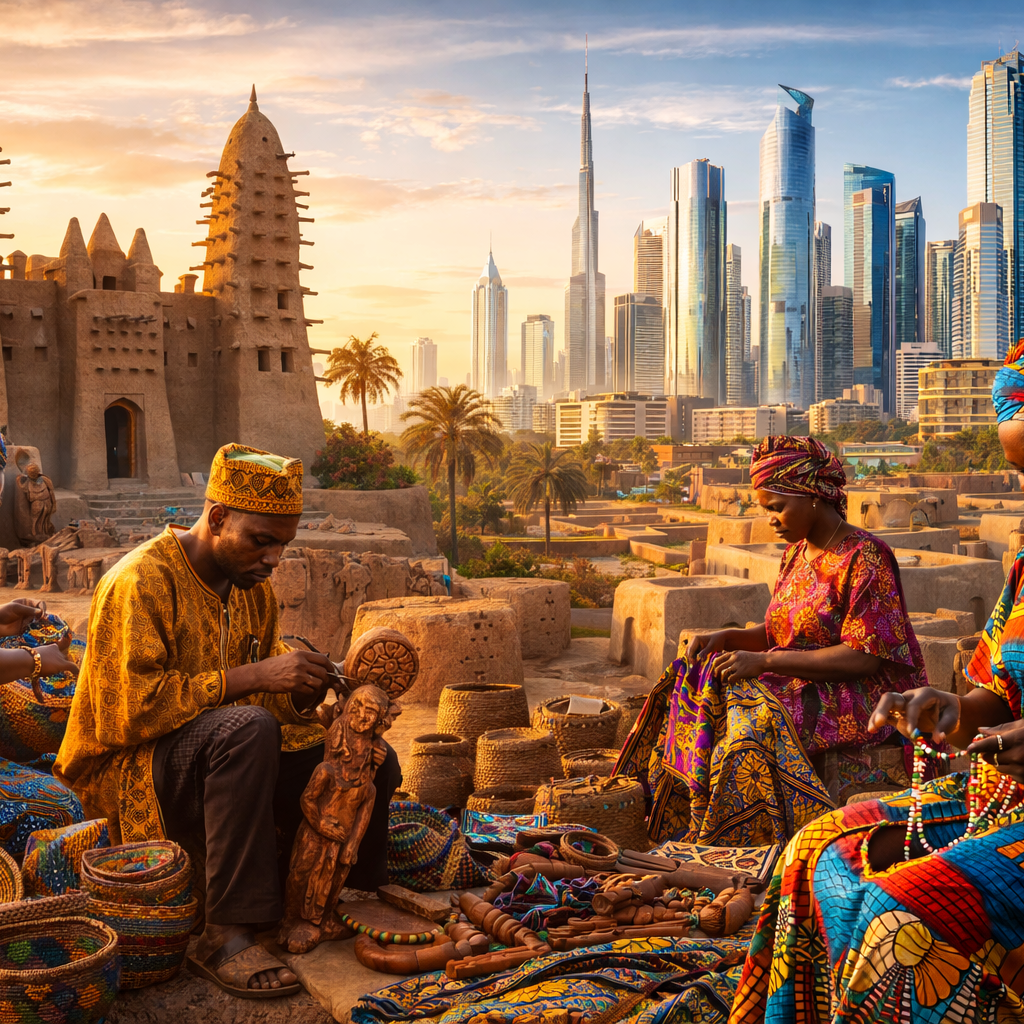
Community-Based Tourism (CBT)
Community-based tourism places local communities in control of:
- Experience design
- Revenue allocation
- Cultural interpretation
Research from development agencies shows CBT improves:
- Income retention within communities
- Cultural preservation
- Local governance participation
When evaluating a cultural experience, travelers should verify:
- Who owns the operation
- How revenue is distributed
- Whether cultural practices are voluntary and community-led
Digital Storytelling & Heritage Preservation
Across Africa, digital platforms are preserving:
- Indigenous languages
- Oral histories
- Folk music archives
- Traditional agricultural methods
UNESCO has emphasized the urgent need to digitize intangible heritage to protect it from climate threats and generational loss.
Virtual tours, online archives, and podcasts now allow travelers to educate themselves before visiting—leading to more respectful engagement.
Sustainable and Responsible Tourism
Sustainability is central to the future of tourism worldwide.
The UNWTO defines sustainable tourism as development that:
“Meets the needs of present tourists and host regions while protecting and enhancing opportunities for the future.”
In practice, responsible cultural travel includes:
- Supporting locally owned businesses
- Hiring certified local guides
- Respecting dress codes and sacred spaces
- Seeking informed consent before photography
- Minimizing environmental impact
Climate change poses risks to heritage sites across coastal and arid regions. Long-term preservation planning is essential.
Culinary Tourism as Cultural Education
Food tourism is increasingly recognized as a powerful cultural entry point.
In Marrakech, guided market tours connect cuisine to historical trade routes linking North Africa to West Africa and the Middle East. Similar culinary immersion programs are expanding across West, East, and Southern Africa.
Culinary tourism allows travelers to explore:
- Indigenous farming systems
- Spice histories
- Communal dining traditions
- Migration influences on cuisine
Food is often the most accessible gateway to deeper cultural understanding.
Challenges Facing Cultural Travel in Africa
Infrastructure Gaps
Some culturally significant destinations lack:
- Reliable transport networks
- Visitor interpretation centers
- Trained heritage professionals
Strategic investment is needed to expand access without eroding authenticity.
Cultural Commodification
Oversimplification and commercialization of traditions can undermine authenticity. UNESCO warns against reducing living cultures to performative displays disconnected from context.
Ethical tourism must prioritize community leadership and accurate storytelling.
Climate Risk
Rising temperatures, coastal erosion, and desertification threaten heritage landscapes. Preservation efforts require international cooperation and funding.
How Travelers Can Support Ethical Cultural Tourism
To align with responsible travel principles:
- Research heritage context before arrival
- Choose locally owned accommodations
- Hire certified local guides
- Pay fair prices
- Learn basic greetings in the local language
- Avoid exploitative experiences
These actions directly strengthen community-led tourism ecosystems.
Educational and Academic Exchange
Cultural tourism is increasingly overlapping with educational travel. Universities and cultural institutions are partnering across Africa to support:
- Archaeological research
- Language preservation programs
- Student exchange initiatives
- Cultural documentation projects
Such initiatives extend tourism beyond consumption into collaboration.
The Future: Connection Over Consumption
Cultural travel in Africa is shifting from passive observation to participatory engagement.
It strengthens:
- Local economies
- Heritage preservation
- Global understanding
- Cultural pride
When grounded in community leadership, transparency, and sustainability, cultural tourism becomes a powerful tool for mutual benefit.
Conclusion
Africa’s future in tourism is not limited to landscapes or wildlife. It lies in its living heritage, creative innovation, and intellectual history.
Supported by international frameworks from organizations such as the United Nations World Tourism Organization and United Nations Educational, Scientific and Cultural Organization, cultural tourism is becoming one of the most meaningful pathways for responsible travel.
For travelers willing to move beyond the map, Africa offers not just destinations—but dialogue, history, creativity, and shared human experience.