
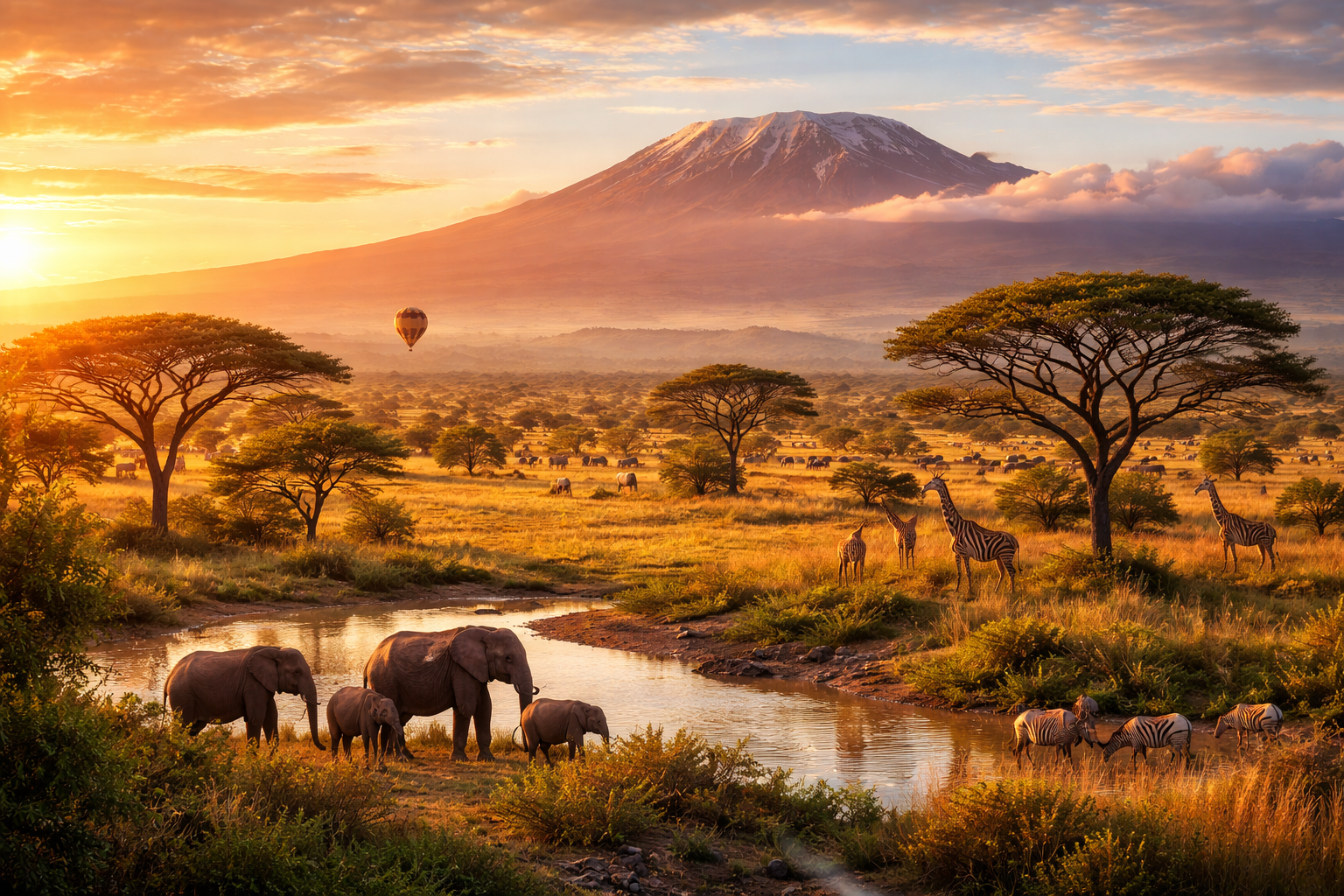
Africa contains 54 countries and some of the most geographically diverse landscapes on Earth. From the red dunes of the Sahara to coral-ringed islands in the Indian Ocean, the continent spans ecosystems that many travelers spend a lifetime exploring. So which country is the most beautiful in Africa? After years of studying African geography, reviewing conservation data, and analyzing traveler reports — and drawing from firsthand safari and coastal travel experiences in East and Southern Africa — one conclusion stands out: There is no single winner. The “most beautiful” country depends entirely on what kind of beauty you value. Below is a balanced, experience-informed, data-supported breakdown of the countries most frequently cited by travel experts, conservation organizations, and global tourism authorities. What Defines “Beauty” in a Country? From a geographic and travel-analysis perspective, national beauty typically includes: According to data from the United Nations Educational, Scientific and Cultural Organization (UNESCO), Africa contains over 140 World Heritage Sites — many tied directly to natural or mixed cultural landscapes. Let’s examine the strongest contenders. 1. Tanzania – Iconic Wildlife and Extreme Landscape Contrast Few countries combine altitude, savanna, crater ecosystems, and island coastlines in one national boundary like Tanzania. Major Natural Landmarks Expert context:The Serengeti–Mara ecosystem supports approximately 1.5 million wildebeest during the annual migration, one of the largest terrestrial mammal movements on Earth (African Wildlife Foundation data). Experience insight:Standing on the rim of Ngorongoro at sunrise, the crater floor appears like a self-contained world — mist lifting over grazing elephants and flamingo-dotted lakes. Best for: Safari lovers, dramatic altitude shifts, wildlife photography. 2. South Africa – Maximum Geographic Variety in One Country South Africa may offer the most landscape diversity per travel kilometer. Signature Landscapes South Africa protects over 9% of its land through national parks and reserves, making wildlife highly accessible compared to many regions globally. Infrastructure advantage:It consistently ranks among Africa’s most accessible countries for tourism, with strong road networks and international airports. Best for: Travelers wanting coastlines, safaris, mountains, vineyards, and modern cities in one trip. 3. Kenya – Classic Safari Landscapes Kenya’s beauty is defined by open savannas and dramatic escarpments. Key Natural Sites Kenya shares the Great Migration ecosystem with Tanzania and is one of Africa’s strongest conservation success stories in community-managed wildlife areas. Best for: Iconic African plains, photography, balanced beach + safari itineraries. 4. Morocco – Desert Meets Architectural Beauty Morocco blends Saharan dunes with centuries-old medinas and mountain backdrops. Natural & Cultural Features Architectural note:Morocco contains nine UNESCO World Heritage Sites, blending Islamic architecture with desert and mountain landscapes. Best for: Cultural beauty + desert scenery combination. 5. Namibia – Raw Geological Drama Namibia may be Africa’s most visually surreal country. Standout Landscapes The Namib Desert is estimated to be over 55 million years old — among the oldest deserts on Earth. Best for: Vast, minimalistic landscapes and solitude. 6. Seychelles – Concentrated Tropical Perfection An archipelago of 115 islands in the Indian Ocean, Seychelles is often cited by travel publications as Africa’s most photogenic country. Natural Features Over 50% of Seychelles’ land area is protected — one of the highest conservation ratios globally. Best for: Luxury beach travel and marine life. 7. Ethiopia – Historic Landscapes and Geological Extremes Ethiopia offers dramatic terrain shaped by tectonic forces. Highlights Geologists consider Ethiopia part of the East African Rift system — one of the most tectonically active regions in the world. Best for: Cultural depth + extreme geology. Continental Context: Africa’s Superlatives Africa contains: This concentration of ecological diversity explains why narrowing the title to one country is inherently subjective. Practical Comparison Table If You Prefer… Strongest Choice Massive wildlife migrations Tanzania / Kenya Maximum landscape diversity South Africa Desert minimalism Namibia Architectural + desert contrast Morocco Tropical island perfection Seychelles Historic + geological drama Ethiopia So, Which Country Is the Most Beautiful? There is no universal answer — and that is precisely the point. Beauty depends on whether you define it by: From an analytical perspective, South Africa offers the widest diversity per travel radius. From a wildlife standpoint, Tanzania and Kenya dominate. For desert grandeur, Namibia stands unmatched. For beaches, Seychelles leads. But Africa’s true beauty lies in its diversity — not a single flag. Final Expert Conclusion If forced to choose based purely on ecological diversity, protected land, and global recognition, Tanzania and South Africa consistently appear at the top of expert travel and conservation rankings. However, the most beautiful country in Africa will ultimately align with your definition of beauty. And that definition is personal.
Best Places to Visit in Africa for First Timers (Expert Travel Guide)
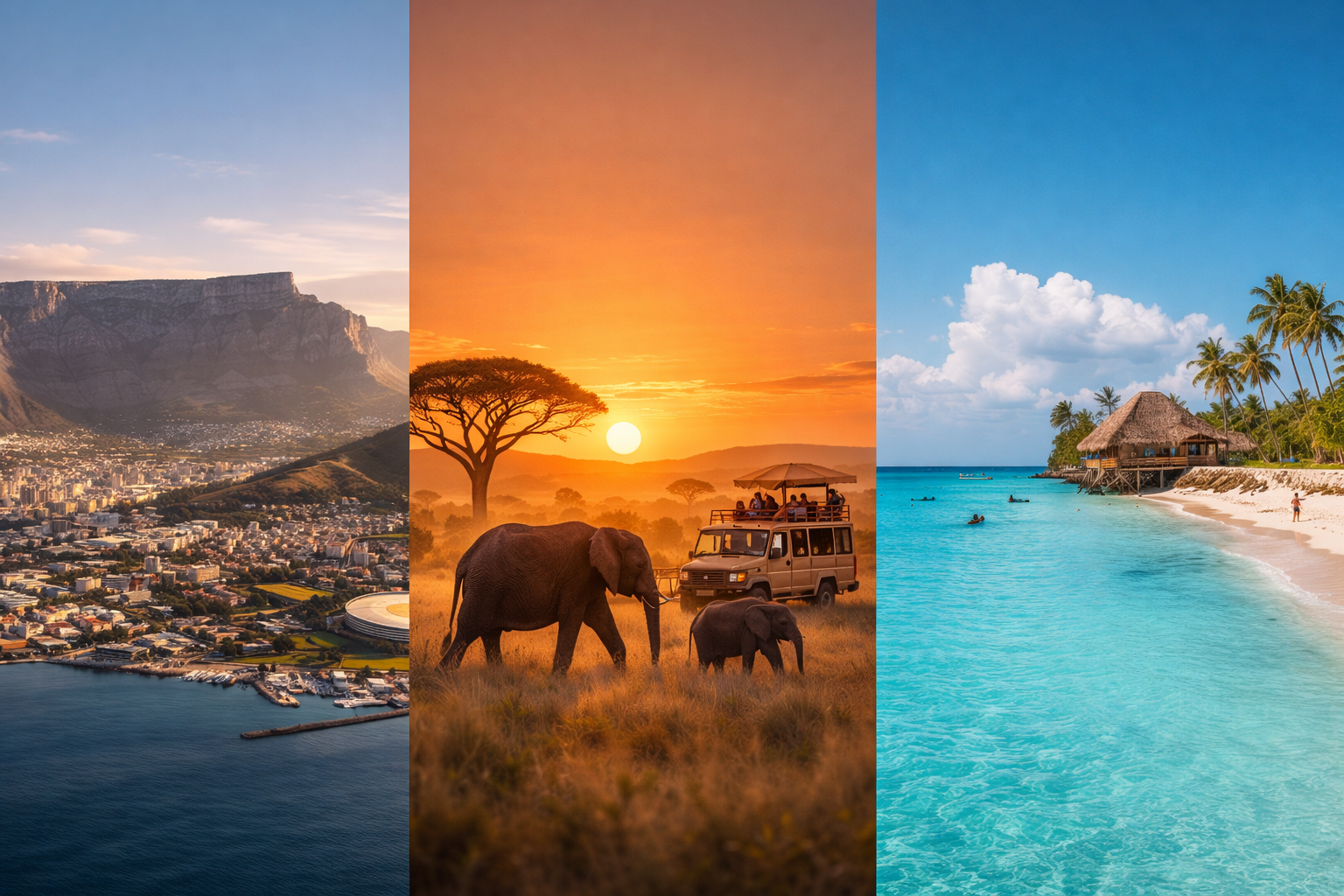
Traveling to Africa for the first time can feel overwhelming — not because it’s difficult, but because the continent is vast, diverse, and impossible to summarize in a single experience. Over multiple visits across Southern, East, and North Africa, one truth becomes clear: your first destination matters. The right starting point shapes your comfort level, safety perception, cultural understanding, and overall enjoyment. This guide highlights destinations that consistently work well for first-time visitors because they offer: Before booking, always check official government travel advisories and visa requirements, as policies and safety conditions can change. Why These Destinations Are Ideal for First-Time Travelers For newcomers to Africa, the best destinations typically offer: These locations allow you to experience Africa’s wildlife, history, beaches, or landscapes without requiring advanced travel experience. 1. Cape Town, South Africa Best for: Scenic diversity, culture, food, and first-time comfort Cape Town is often the easiest introduction to Africa. It combines natural beauty with modern infrastructure and Western-standard tourism services. What Makes It Beginner-Friendly Top Experiences Practical Insights Cape Town offers beaches, mountains, wildlife nearby, and deep political history in one city — making it an excellent first stop. 2. Marrakech, Morocco Best for: Culture, architecture, and North African heritage Marrakech delivers a sensory experience: spices, tiled courtyards, prayer calls, and labyrinthine souks. Why It Works for First-Timers Key Experiences Important Notes Marrakech offers cultural immersion without requiring advanced travel experience. 3. Serengeti National Park, Tanzania Best for: First safari experience For many travelers, Africa means safari — and the Serengeti delivers one of the most reliable wildlife experiences on Earth. Why It’s Ideal for Beginners What You’ll See Practical Planning Booking through licensed operators is strongly recommended for first-time safari visitors. 4. Maasai Mara, Kenya Best for: Safari with easier logistics Kenya’s Maasai Mara offers similar wildlife density to the Serengeti but is often easier logistically. Advantages for First-Timers Best Time Hot air balloon safaris provide an unforgettable aerial perspective of the plains. 5. Victoria Falls (Zambia & Zimbabwe) Best for: Natural wonder + adventure Victoria Falls is one of the largest waterfalls in the world, spanning approximately 1,708 meters wide. Why It’s Beginner-Friendly Activities Best viewing season: February–May (highest water flow). 6. Zanzibar, Tanzania Best for: Beach + culture combination Zanzibar balances relaxation with cultural depth. Highlights Best time: June–October (dry season) Stone Town can be explored safely with licensed guides. 7. Cairo, Egypt Best for: Ancient history lovers Cairo offers direct access to one of the world’s oldest civilizations. Must-See Use licensed Egyptologists for deeper historical context. Best time: October–April (cooler weather) 8. Namibia (Sossusvlei & Etosha) Best for: Dramatic landscapes and self-drive safaris Namibia stands out for its low population density and excellent road conditions. Why First-Timers Appreciate It Best time: May–October (dry season for Etosha wildlife) 9. Mauritius Best for: Relaxation and low-stress travel Mauritius offers: Best time: May–November (cooler, dry season) Comparison Table: Best African Destinations for First-Timers Destination Best For Ease of Travel Wildlife Culture/History Beach Budget Level Best Season Cape Town Scenic diversity Very Easy Moderate High Yes $$–$$$ Nov–Mar Marrakech Culture & markets Easy Low Very High No $$ Mar–May, Sept–Nov Serengeti Classic safari Moderate (guided) Extremely High Low No $$$–$$$$ Jun–Oct Maasai Mara Safari + access Easy Extremely High Moderate No $$$ Jul–Oct Victoria Falls Natural wonder Easy Low Low No $$–$$$ Feb–May Zanzibar Beach + heritage Easy Low Moderate Yes $$–$$$ Jun–Oct Cairo Ancient history Moderate Low Extremely High No $$ Oct–Apr Namibia Landscapes Moderate (self-drive) High Moderate No $$–$$$ May–Oct Mauritius Relaxation Very Easy Low Moderate Yes $$$ May–Nov $ = Budget-friendly$$$ = Mid-range$$$$ = Luxury safari level How to Choose the Right Destination Choose based on your priority: For first-time visitors, it’s generally best to start with one country and avoid multi-country overland routes. Safety & Planning Advice (Important) Safety conditions vary by neighborhood and time — informed travel is smart travel. Final Thoughts Africa is not one experience — it is dozens of distinct travel worlds within a single continent. For first-time visitors, destinations like Cape Town, Marrakech, the Serengeti, and Mauritius consistently provide strong infrastructure, reliable visitor services, and unforgettable experiences. Start with one region. Travel thoughtfully. Plan carefully. And allow enough time to experience depth rather than rushing across borders. Your first trip to Africa should feel exciting — not overwhelming. When chosen wisely, it becomes the beginning of many return visits.