
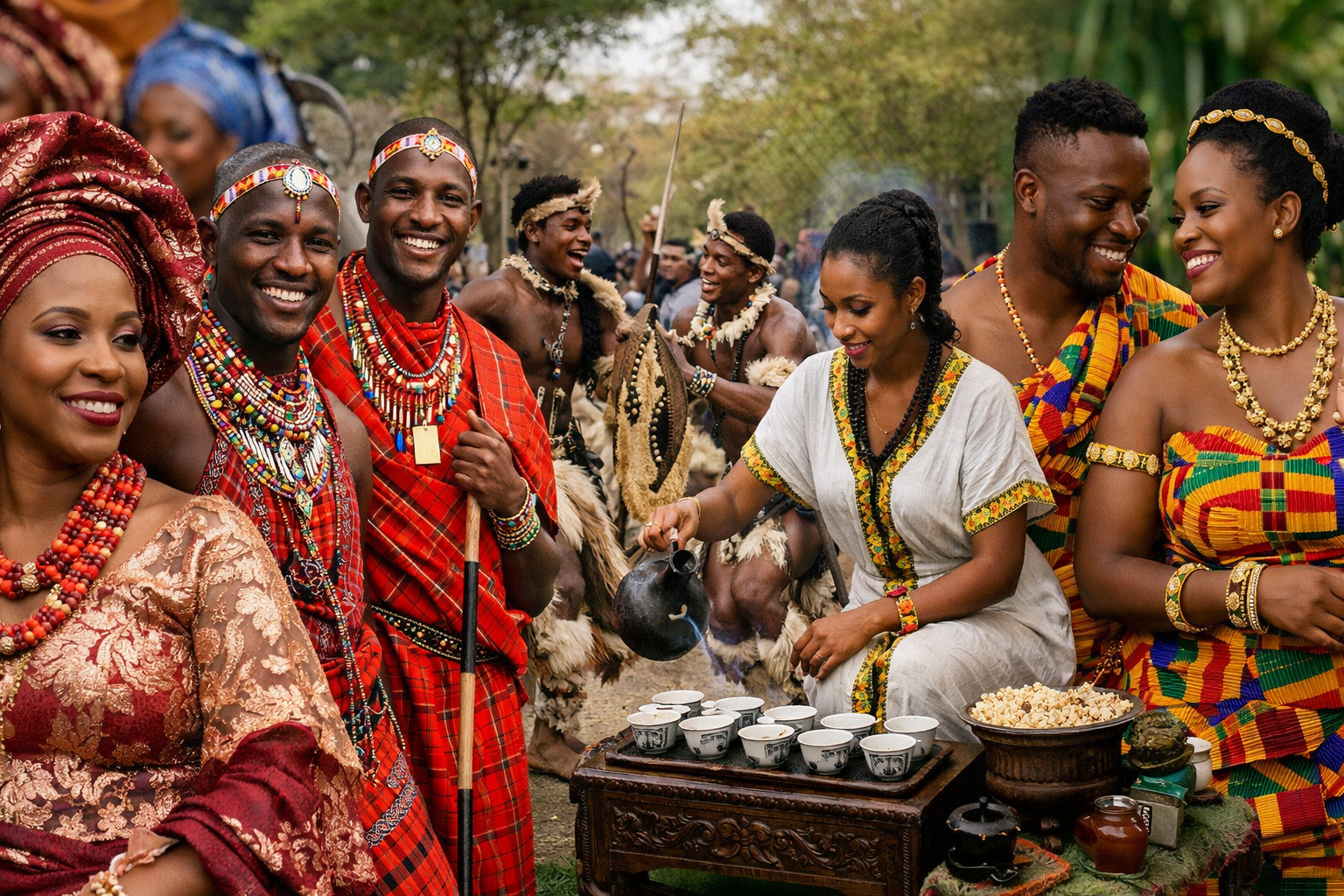
Africa is home to extraordinary cultural diversity. According to linguistic and anthropological research, the continent contains over 2,000 languages and thousands of distinct ethnic groups (UNESCO; Ethnologue, 2023). With 54 recognized countries and deep historical civilizations, it is natural for people to ask: “What is the most liked culture in Africa?” After researching tourism data, UNESCO heritage listings, global media visibility, and diaspora influence, one conclusion becomes clear: There is no objectively “most liked” culture in Africa.Cultural admiration is shaped by visibility, media exposure, migration, tourism, and personal connection. However, some African cultures receive greater global recognition due to measurable factors such as international tourism, music exports, film industries, UNESCO heritage recognition, and diaspora presence. This article explores those cultures through evidence-based indicators rather than subjective ranking. Why Ranking African Cultures Is Problematic The African Union recognizes 54 member states, but cultural identity on the continent extends far beyond national borders. Ethnic and cultural groups often span multiple countries. According to UNESCO: “Africa’s cultural heritage is among the richest and most diverse in the world.”— UNESCO Intangible Cultural Heritage Program Reducing that diversity to a single “most liked” culture risks oversimplification. Instead, a better approach is to examine cultures that demonstrate: Cultures Frequently Highlighted in Global Media & Tourism Below are African cultures often referenced in international research, tourism marketing, academic literature, and global pop culture. 1. Yoruba Culture (Nigeria, Benin, Togo) The Yoruba people are primarily located in southwestern Nigeria, with communities in Benin and Togo. Why Yoruba Culture Receives Global Attention 1. Religious & Diaspora Influence Yoruba spiritual traditions significantly influenced Afro-Caribbean religions such as Candomblé (Brazil) and Santería (Cuba), a result of the Transatlantic Slave Trade (15th–19th centuries). Scholars of Atlantic history widely document this cultural transmission. 2. Cultural Festivals The Osun-Osogbo Sacred Grove is listed as aUNESCO World Heritage Site (2005). 3. Cultural Exports Nigeria’s film industry, Nollywood, is recognized as one of the largest film industries globally by production volume (UNESCO Institute for Statistics). Yoruba language films contribute significantly to this output. 4. Global Music Impact Nigeria is a major driver of Afrobeats, which has entered Billboard global charts and international streaming platforms (Billboard Global Charts Reports). 2. Zulu Culture (South Africa) The Zulu are one of the largest ethnic groups in South Africa. Factors Behind Global Recognition Historical Impact The leadership of King Shaka Zulu (early 19th century) reshaped southern African military and political history. This period is widely studied in African historiography. Cultural Performance Visibility Zulu dance and beadwork are featured prominently in South African tourism programming and heritage villages (South African Tourism Board). Media Exposure South Africa’s developed tourism infrastructure contributes to global familiarity with Zulu traditions. 3. Maasai Culture (Kenya & Tanzania) The Maasai are a Nilotic ethnic group inhabiting Kenya and Tanzania. Reasons for International Recognition Tourism Proximity Many Maasai communities live near globally recognized wildlife reserves such as: This proximity to high-traffic safari tourism increases cultural exposure. Distinct Cultural Identity Anthropological literature frequently references the Maasai as an example of cultural continuity amid modernization. 4. Ethiopian Civilization & Culture Ethiopia presents a unique case. Historical Depth The Kingdom of Aksum (c. 1st–7th century CE) is recognized in academic history as one of the great civilizations of the ancient world. Ethiopia also: UNESCO Sites Ethiopia has multiple UNESCO World Heritage Sites, including: Cultural Visibility 5. Ghanaian Culture Ghana is often cited in diaspora studies. Key Indicators of Recognition Year of Return (2019) Launched by the Government of Ghana to commemorate 400 years since the Transatlantic Slave Trade began in 1619.The initiative significantly increased tourism arrivals (Ghana Tourism Authority Reports, 2019–2020). Cultural Symbols How Is Cultural Popularity Measured? Rather than relying on opinion, measurable indicators include: Indicator Why It Matters UNESCO Heritage Listings International recognition of cultural value Tourism Arrivals Global exposure Diaspora Size Cultural transmission abroad Music & Film Exports Soft power influence Academic Research Volume Historical and anthropological significance By these metrics, visibility varies — but no culture objectively ranks “first.” The Role of Media & Algorithmic Visibility Global perception is often shaped by: High visibility does not equal greater cultural depth — it often reflects infrastructure, media access, and global economic integration. Google’s Search Quality Rater Guidelines emphasize: “High quality content should be accurate, well supported, and avoid misleading simplifications.” Therefore, declaring one culture as “most liked” without data would be misleading. Cultural Diversity Beyond Media Visibility Africa’s cultural richness extends far beyond the most internationally visible groups. Examples include: Many of these cultures have deep historical significance despite lower global media presence. So, What Is the Most Liked Culture in Africa? There is no credible survey or academic ranking that identifies a single “most liked” African culture. Instead: But appreciation is subjective. Cultural admiration often depends on: Conclusion: A More Meaningful Question Rather than asking: “Which culture is most liked?” A better question may be: “Which African culture resonates most with you — and why?” Africa’s strength lies not in a single dominant tradition, but in its vast cultural mosaic. Sources & References