
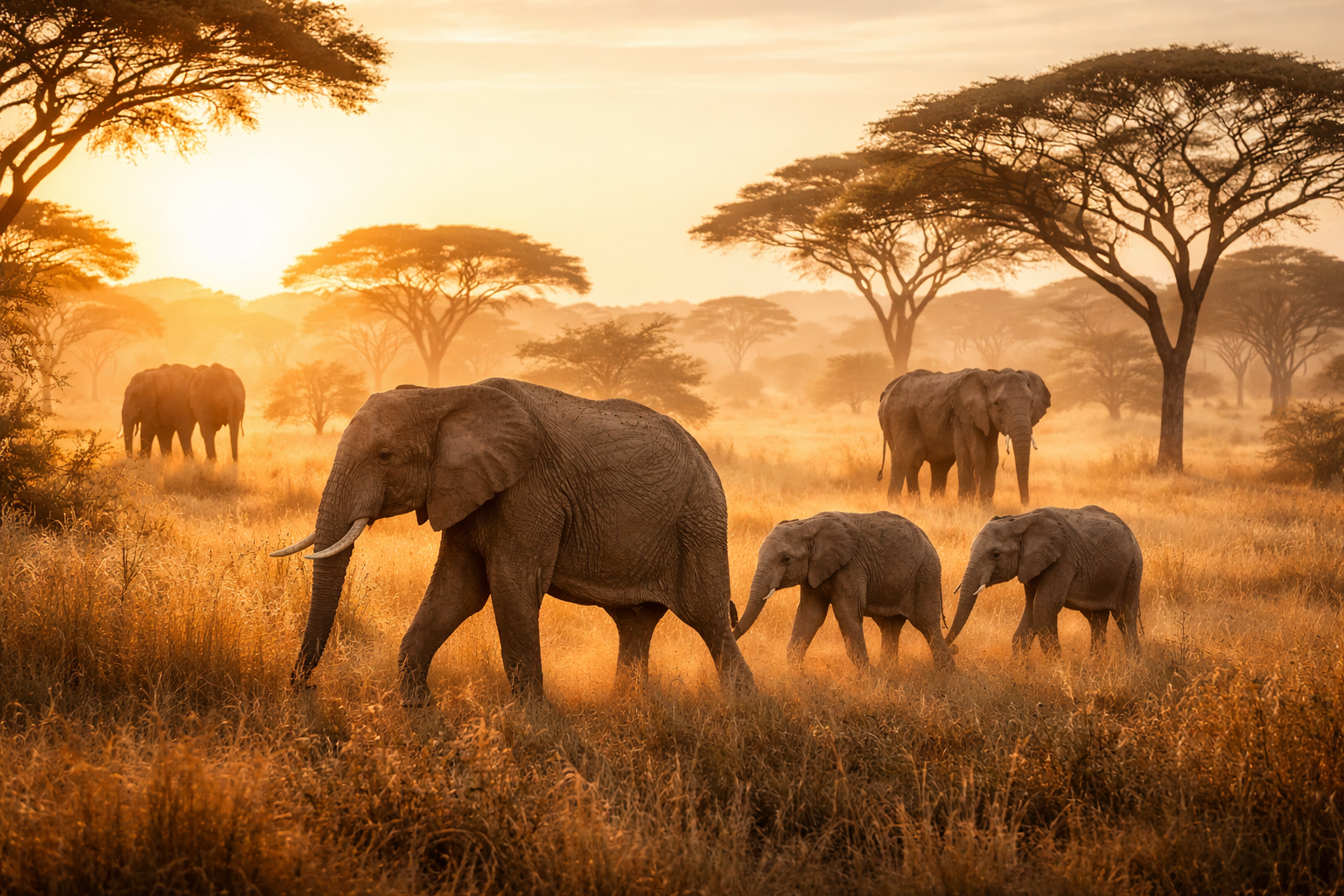
Traveling in Africa for the first time can feel both exciting and overwhelming. I remember planning my first trip to East Africa — I underestimated distances, overpacked for safari, and had no idea how cold early morning game drives could be. By the end of that journey, I had learned that Africa rewards preparation, flexibility, and cultural respect more than any other destination I’ve visited. This guide combines firsthand travel insights with official recommendations from global travel authorities to help you plan safely, confidently, and responsibly. Africa is not one experience — it is 54 sovereign countries (as recognized by the United Nations), each offering distinct landscapes, cultures, and travel realities. Understanding those differences is the key to a successful first trip. Why Travel to Africa? Africa offers experiences that are difficult to replicate elsewhere: According to the United Nations World Tourism Organization (UNWTO), tourism plays a major role in supporting employment and conservation initiatives across several African nations. In countries like Kenya and Tanzania, park fees directly support wildlife protection and local communities. But Africa is not a “single trip.” Choosing the right region for your interests is essential. Choosing the Right Destination for Your First Trip 1. For Wildlife Safaris If seeing lions, elephants, giraffes, and rhinos in the wild is your priority, East and Southern Africa are ideal. Top safari destinations include: From personal experience, guided safaris dramatically increase wildlife sightings. In Maasai Mara, our licensed guide tracked fresh lion prints in the sand at sunrise — something I would have completely missed alone. Expert tip: The Great Migration typically moves between Serengeti and Maasai Mara at different times of year. July–October often offers strong viewing in Kenya, but timing varies depending on rainfall patterns. 2. For History and Ancient Civilizations North and East Africa contain some of the world’s most significant archaeological sites: When visiting historical sites, hiring certified local guides adds depth. In Marrakech’s medina, I learned more in two hours with a guide than I would have in days walking independently. 3. For Beaches and Relaxation Excellent beach destinations include: Zanzibar’s east coast offers calm turquoise waters, while Cape Town combines beaches with mountain scenery. Always research seasonal weather patterns — coastal wind conditions can vary. Best Time to Visit (Climate by Region) Africa’s climate differs dramatically by region. East Africa (Kenya, Tanzania) Southern Africa (South Africa, Botswana) North Africa (Morocco, Egypt) Always verify seasonal patterns through official meteorological services or national tourism boards before booking. Health and Vaccinations (Critical for First-Time Travelers) Consult a travel health clinic 6–8 weeks before departure. According to the World Health Organization (WHO) and the U.S. Centers for Disease Control and Prevention (CDC): Requirements vary by country and travel history, so rely on official health authorities rather than blogs. Travel insurance with medical evacuation coverage is strongly recommended, especially for safari regions where hospitals may be distant. Visa & Entry Requirements Visa policies differ widely. Some countries offer: Always confirm requirements through official embassy or immigration websites. Rules can change without notice. Is Africa Safe? A Balanced Perspective Africa is frequently generalized as unsafe, which is inaccurate. Safety conditions vary by: For example: Use official government travel advisories for your nationality as a baseline reference. During my travels, basic precautions — using licensed guides, avoiding isolated areas at night, and securing valuables — were sufficient. Millions of tourists visit African countries each year, but safety depends on informed planning. Budgeting: What Does It Actually Cost? Costs vary significantly by region and travel style. Estimated Daily Budget (Excluding International Flights) Travel Style Approximate Range Budget (Ghana, Kenya cities) $50–100/day Mid-range safari trip $250–400/day Luxury lodge safari $600–1500+/night Safari pricing is higher due to: Booking directly through reputable operators often improves reliability. Transportation Realities One mistake I made initially was underestimating distances. Africa is vast. Public minibuses are common but may not meet international comfort expectations. Plan conservatively — what appears “close” on a map may require half a day of travel. Cultural Awareness & Etiquette Africa is culturally diverse. Avoid assumptions. In many communities: In countries like Ghana and Nigeria, English is widely spoken. In North Africa, Arabic and French are common. Learning a few local greetings significantly improves interactions. Responsible & Sustainable Travel Tourism revenue supports conservation across many regions. When visiting wildlife parks: According to conservation organizations working in East and Southern Africa, park fees directly fund anti-poaching efforts and community projects. Responsible travel protects the experiences future visitors hope to enjoy. Common Myths About Traveling in Africa “Africa is one country.” Africa is a continent of 54 sovereign nations. “There’s no modern infrastructure.” Cities such as Nairobi, Accra, and Johannesburg have international airports, private hospitals, ride-hailing apps, and high-speed internet. “It’s unsafe everywhere.” Risk varies by region — informed travelers who research destinations carefully often have safe, enriching experiences. What I Wish I Knew Before My First Trip Final Thoughts: Is Africa Worth Visiting? Yes — if approached thoughtfully. Africa offers wildlife encounters, cultural depth, dramatic landscapes, and human warmth that leave lasting impressions. But success depends on preparation, accurate information, and respectful engagement. By combining firsthand awareness with official health guidance, verified visa requirements, and region-specific research, your first African journey can be both safe and transformative. Africa is not a single story — it is many stories. The more informed you are before you arrive, the richer your experience will be.