
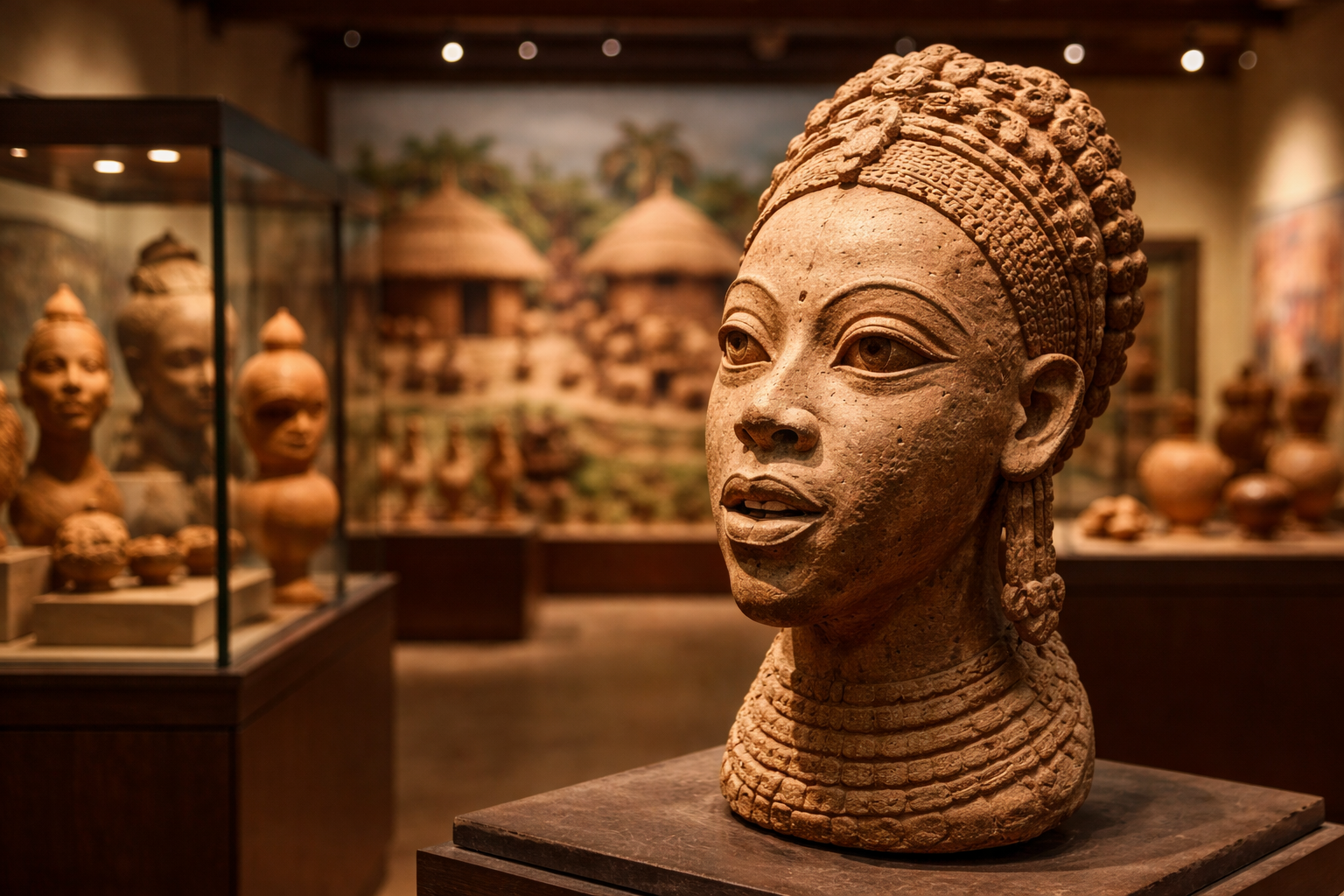
Nigeria is a nation of rich history, diversity, and cultural heritage. With over 250 ethnic groups, each with unique traditions, languages, and beliefs, identifying the oldest culture in the country is both fascinating and complex. Understanding these early societies not only sheds light on the roots of Nigeria’s people but also shows how historical practices continue to influence contemporary life. During my research and visits to historical sites in Nigeria, including the Jos Plateau Museum and local cultural festivals, I observed firsthand the enduring legacy of ancient civilizations, providing deeper insight into their contributions. Understanding “Culture” in Historical Context Before exploring the oldest cultures, it’s important to define what we mean by “culture.” Anthropologists and historians identify several key aspects: By examining these elements, scholars can trace the development of societies and identify the earliest cultural groups in Nigeria. The Nok Culture: Nigeria’s Earliest Documented Civilization One of the most significant ancient cultures in Nigeria is the Nok civilization. Archaeological evidence positions Nok as the earliest well-documented society in the region. Origins and Timeline The Nok culture thrived approximately 1000 BCE to 300 CE in present-day central Nigeria, especially on the Jos Plateau. Excavations conducted by the National Commission for Museums and Monuments (NCMM) confirm that the Nok people were among the first in West Africa to practice iron smelting, an innovation that shaped early technological development in the region. Source: National Commission for Museums and Monuments, Nigeria, Archaeological Reports, 2018. Key Features of Nok Culture Legacy of the Nok Culture The Nok culture’s innovations influenced subsequent civilizations in Nigeria. While the exact lineage to the Yoruba, Nupe, and Igala peoples is debated among scholars, the artistic and technological traditions of Nok clearly left a lasting cultural imprint. Reference: Shaw, T., African Archaeological Review, 2015, “Iron Smelting and Early Societies in Central Nigeria.” Other Ancient Cultures in Nigeria 1. The Yoruba Civilization Visiting Ifẹ̀, I observed cultural artifacts and spoke with local historians, who emphasized how city-states preserved governance structures and artistic practices over centuries. 2. The Igbo Civilization Field visits to Igbo communities reveal that many of these traditions, such as communal farming practices and local festivals, persist today, providing a living connection to their ancient past. 3. The Hausa-Fulani Culture Historical records from the NCMM archives and visits to Kano highlight how Hausa-Fulani cultural practices remain central to regional identity. Challenges in Determining the “Oldest” Culture Pinpointing the oldest culture is complex due to: Despite these challenges, the Nok culture remains the earliest well-documented civilization, supported by verifiable archaeological evidence. Why Understanding Nigeria’s Oldest Cultures Matters Studying ancient Nigerian cultures is not only historically enriching but also practically valuable today: Conclusion The Nok civilization (1000 BCE – 300 CE) is Nigeria’s earliest documented culture. Other ancient societies, including the Yoruba, Igbo, and Hausa-Fulani, enrich the country’s cultural tapestry. By combining archaeological evidence, oral traditions, and firsthand exploration, we gain a more complete and trustworthy understanding of Nigeria’s heritage. For those interested in history, anthropology, or cultural tourism, Nigeria offers a living connection to Africa’s early civilizations, showing how ancient traditions continue to shape modern life. Key Takeaways Recommended Visit: Jos Plateau Museum (Central Nigeria) for Nok artifacts; Ifẹ̀ (Yoruba) for ancient city-state history; Kano (Hausa-Fulani) for traditional architecture.