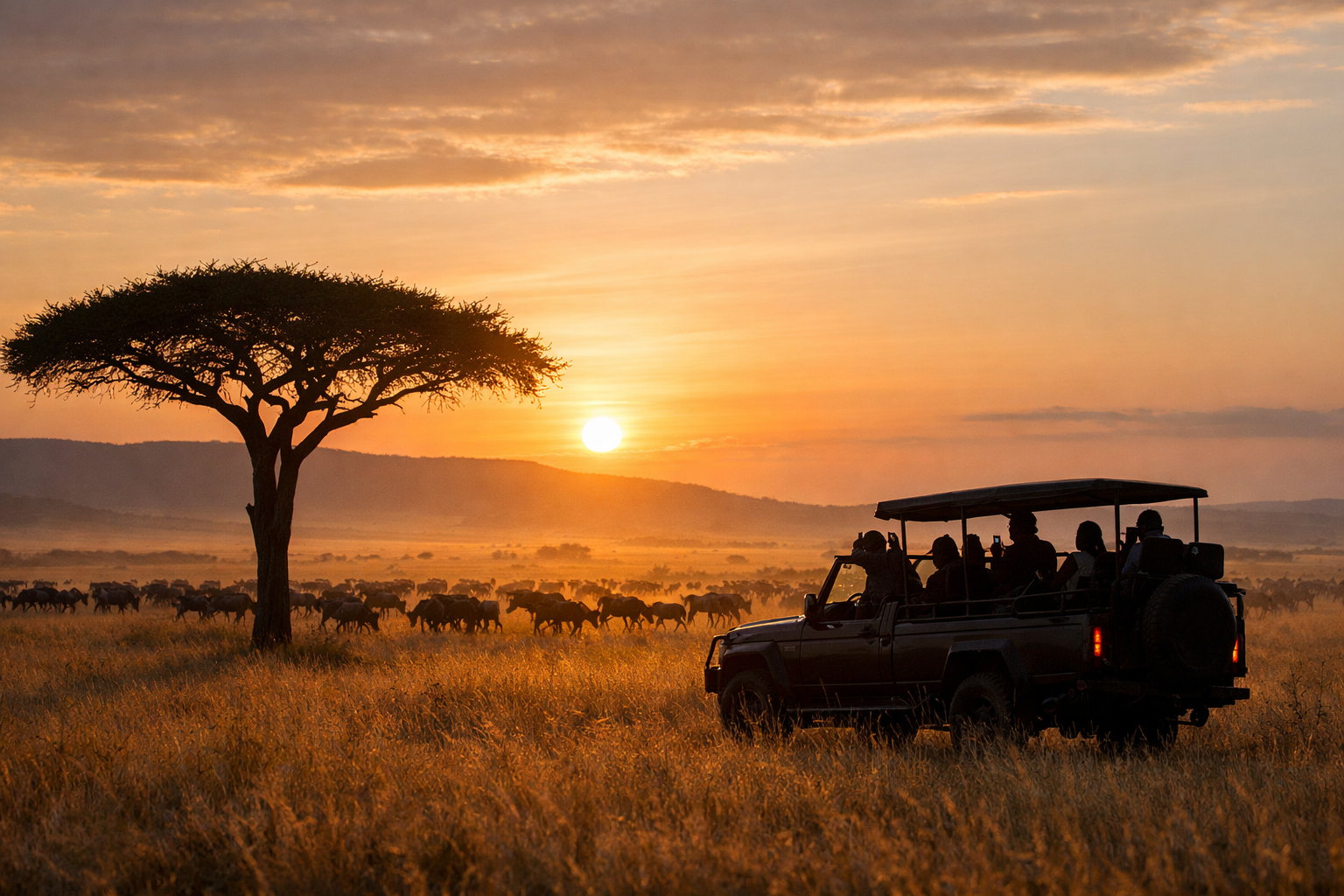
When travelers ask, “Which African country is known for wildlife?” the honest answer is: several countries share that reputation — but for different reasons. After researching conservation data from national park authorities, UNESCO listings, and wildlife organizations — and comparing safari infrastructure, biodiversity density, and ecosystem scale — a clear pattern emerges: East and Southern Africa dominate global wildlife tourism due to large protected ecosystems and sustained conservation investment. This guide compares the countries most widely recognized for wildlife, using ecological significance, conservation impact, and visitor experience as evaluation criteria. Why Africa Is Globally Recognized for Wildlife Africa contains some of the world’s largest remaining intact ecosystems. According to the World Wildlife Fund (WWF), sub-Saharan Africa supports the largest populations of free-ranging megafauna left on Earth. Several factors explain this: For example, the UNESCO lists multiple African wildlife ecosystems as World Heritage Sites due to “outstanding universal value.” 1. Kenya – The Iconic Safari Nation Kenya is often the first country associated with African wildlife — largely because of the Great Migration and strong safari infrastructure. Ecological Significance The Maasai Mara National Reserve forms part of the greater Serengeti ecosystem. Each year, over 1.5 million wildebeest migrate between Tanzania and Kenya — one of the largest terrestrial mammal migrations on Earth (data: Kenya Wildlife Service). Kenya is also home to: Best For 2. Tanzania – Scale and Ecological Density Tanzania contains some of Africa’s largest uninterrupted wildlife ecosystems. The Serengeti The Serengeti National Park spans nearly 15,000 square kilometers and supports one of the highest predator densities in Africa. Recognized by UNESCO as a World Heritage Site, the Serengeti ecosystem sustains: Ngorongoro Crater The Ngorongoro Conservation Area contains one of the densest concentrations of wildlife in Africa within a collapsed volcanic caldera. Best For 3. South Africa – Accessibility Meets Biodiversity South Africa is globally recognized for wildlife combined with modern infrastructure. Kruger National Park The Kruger National Park covers nearly 20,000 square kilometers and is managed by South African National Parks (SANParks). Kruger is notable for: Some reserves in the Eastern Cape are malaria-free — making them suitable for families (per SANParks and provincial tourism authorities). Best For 4. Botswana – Conservation-First Wilderness Botswana is often cited by conservation experts as one of Africa’s strongest wildlife success stories. Okavango Delta The Okavango Delta is a UNESCO World Heritage Site and one of the largest inland deltas globally. Botswana is estimated to host over 130,000 elephants — the largest elephant population in Africa (data: Botswana Department of Wildlife & National Parks). The country follows a “low-volume, high-value” tourism model to reduce environmental pressure. Best For 5. Namibia – Desert-Adapted Wildlife Namibia offers a dramatically different safari landscape. Etosha National Park The Etosha National Park centers around a vast salt pan visible from space. Wildlife here includes: Namibia is particularly suitable for self-drive exploration due to well-maintained road systems. Best For 6. Uganda & Rwanda – Gorilla Conservation Leaders Uganda and Rwanda are internationally recognized for mountain gorilla protection. Gorilla Trekking The Bwindi Impenetrable National Park protects nearly half of the world’s remaining mountain gorillas. According to the International Gorilla Conservation Programme, coordinated conservation efforts have helped increase mountain gorilla numbers to over 1,000 individuals. Best For Best Time to Visit (Seasonal Overview) Region Best Months Why Kenya / Tanzania June–October Dry season improves visibility Botswana May–September Delta floods attract wildlife South Africa May–September Cooler, drier winter Namibia June–October Animals gather at waterholes Uganda / Rwanda June–September Easier trekking conditions Approximate Safari Budget Ranges (Per Person) Tier Estimated Range Budget Camping $150–$300/day Mid-Range Lodge $350–$700/day Luxury Safari $800–$2,000+/day Prices vary by season and exclusivity. So, Which African Country Is Best Known for Wildlife? There is no single answer. The “best” country depends on your wildlife priorities, travel style, and conservation interests. Authoritative Sources