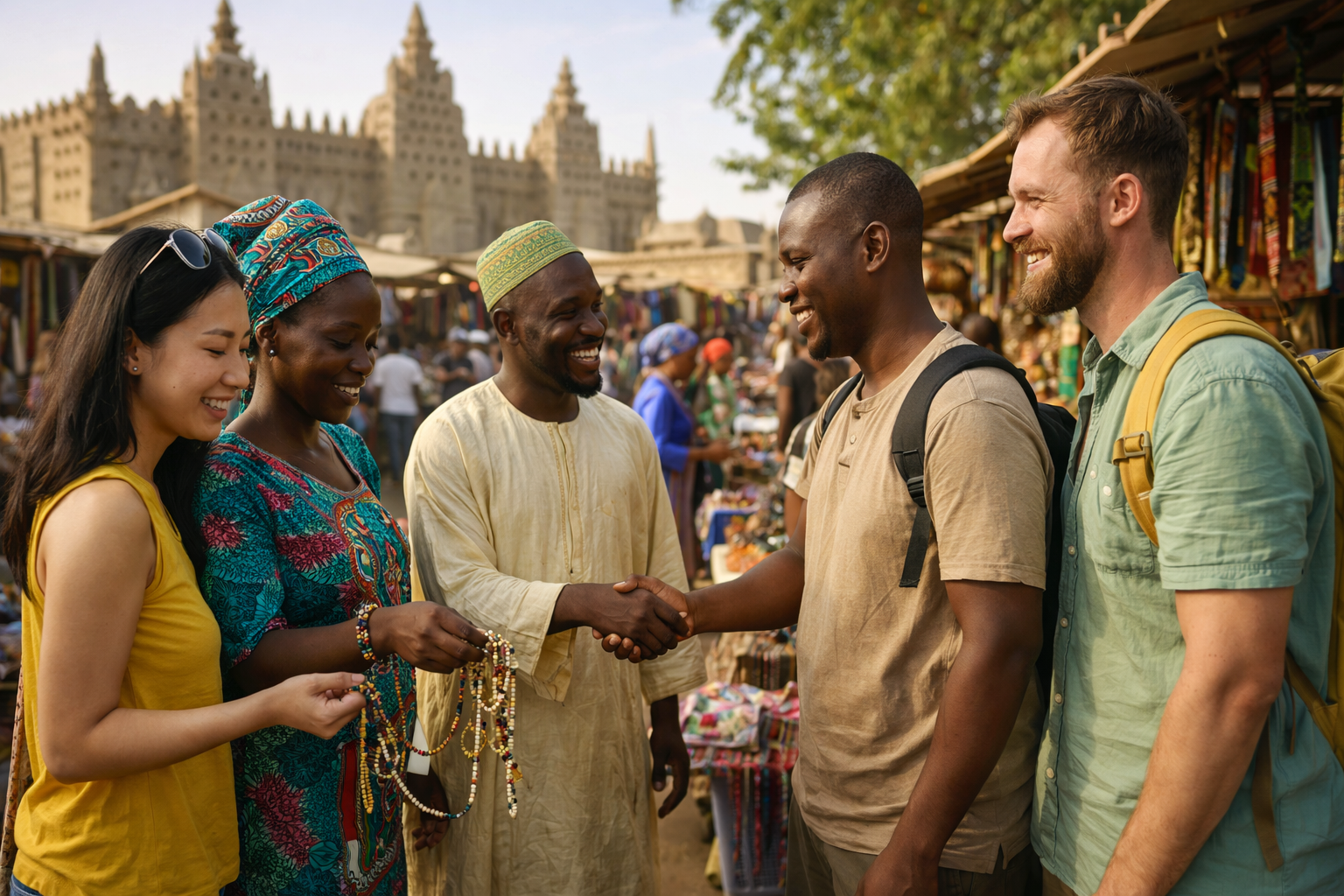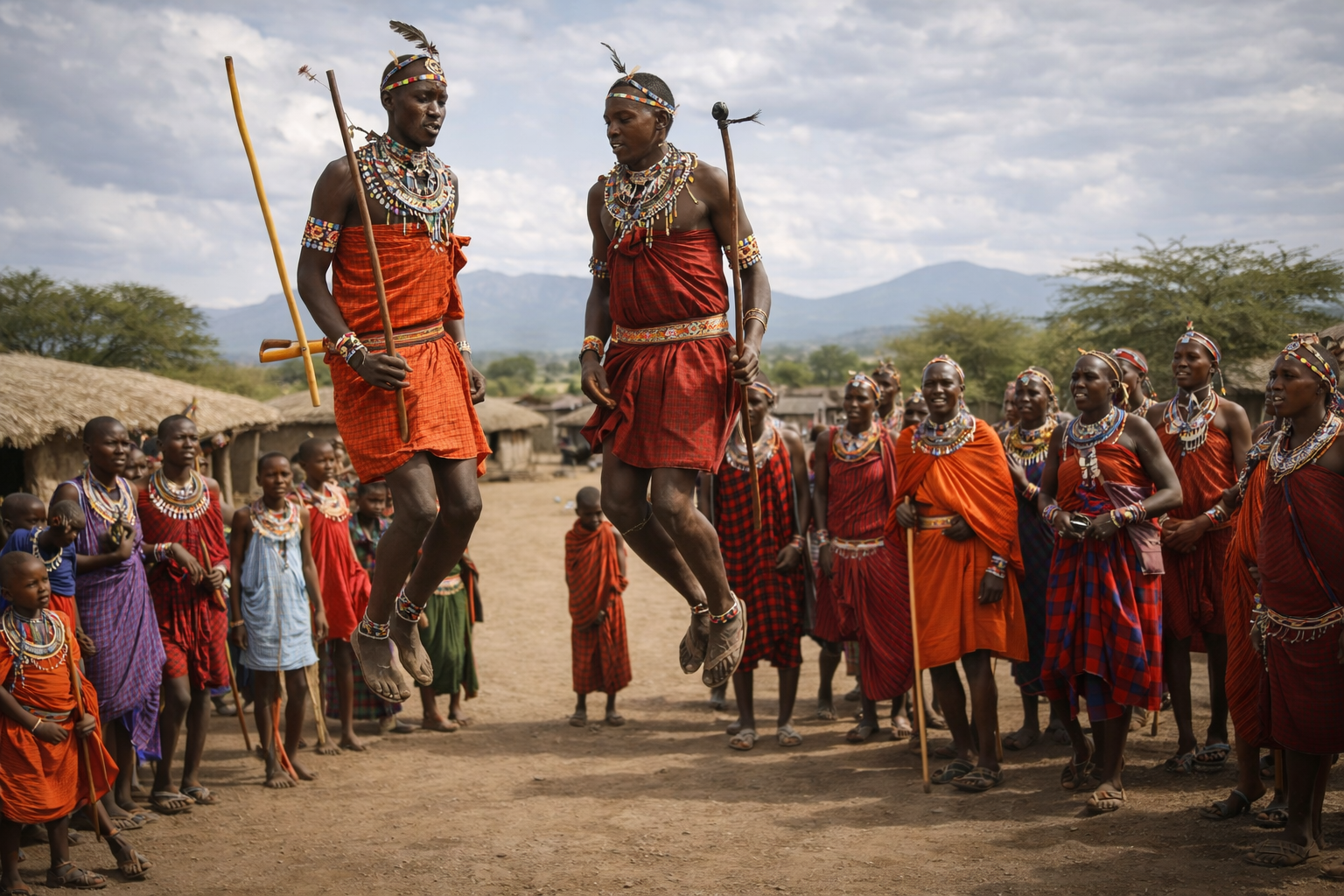
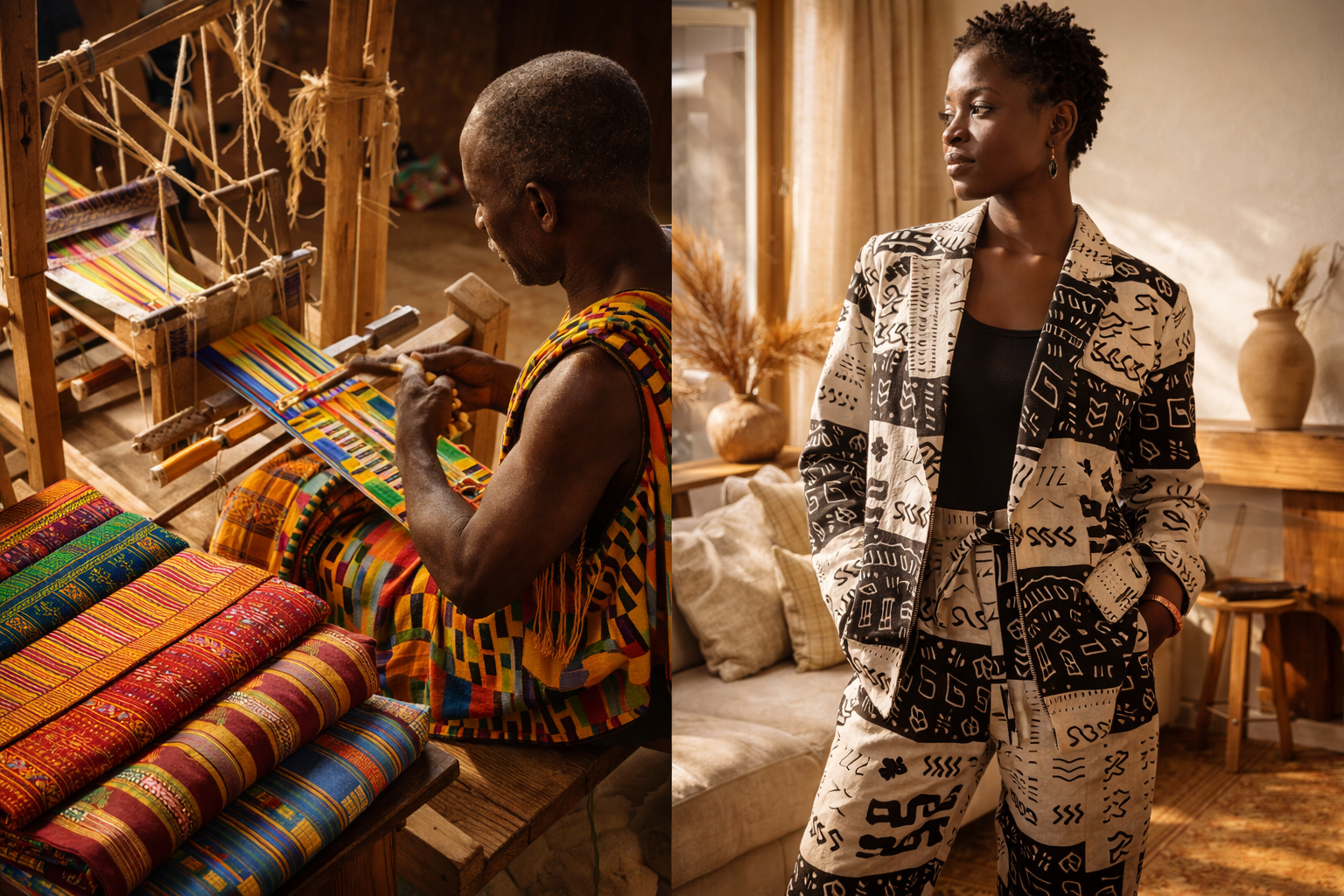
Traditional African fashion is not merely decorative — it is a living language. Across the continent, textiles communicate identity, spirituality, political history, social status, and community belonging.
During a textile exhibition I attended featuring West African weavers, one artisan explained something that stayed with me: “When you wear this cloth, you are wearing a story.” That statement captures the essence of traditional African fabrics. These garments are not random patterns stitched together for beauty — they are carefully constructed visual narratives passed down through generations.
This article explores the history, symbolism, craftsmanship, and cultural significance of some of Africa’s most iconic textiles, drawing from ethnographic research, museum archives, and cultural scholarship.
Clothing as Communication in African Societies
In many African communities, clothing historically functioned as a non-verbal communication system.
Anthropological research and museum documentation, including collections from the Smithsonian National Museum of African Art, show that textiles often signified:
- Ethnic identity
- Marital status
- Age and life stage
- Religious affiliation
- Political rank
- Wealth and leadership
For example, among the Akan of Ghana, certain cloths were historically restricted to royalty. In Yoruba society, specific woven textiles were worn during rites of passage and chieftaincy ceremonies.
Unlike modern fast fashion, traditional African textiles were embedded in ritual, ceremony, and social order.
Color Symbolism: Regional Nuance Matters
It is important to clarify that color meanings vary across regions and ethnic groups. However, scholars have documented recurring symbolic associations in several West African traditions.
According to curatorial research from the British Museum and Ghanaian textile historians:
- Gold – Royalty, spiritual purity, prosperity (especially in Akan Kente traditions)
- Red – Political struggle, sacrifice, or spiritual intensity
- Blue – Peace, harmony, love
- Green – Growth, renewal, agriculture
- White – Spiritual purity, sacred rites
- Black – Ancestral presence, maturity, spiritual depth
However, meanings are culturally specific. For example, white may symbolize mourning in some regions and celebration in others. Presenting these interpretations with regional context strengthens historical accuracy.
Iconic Traditional African Fabrics
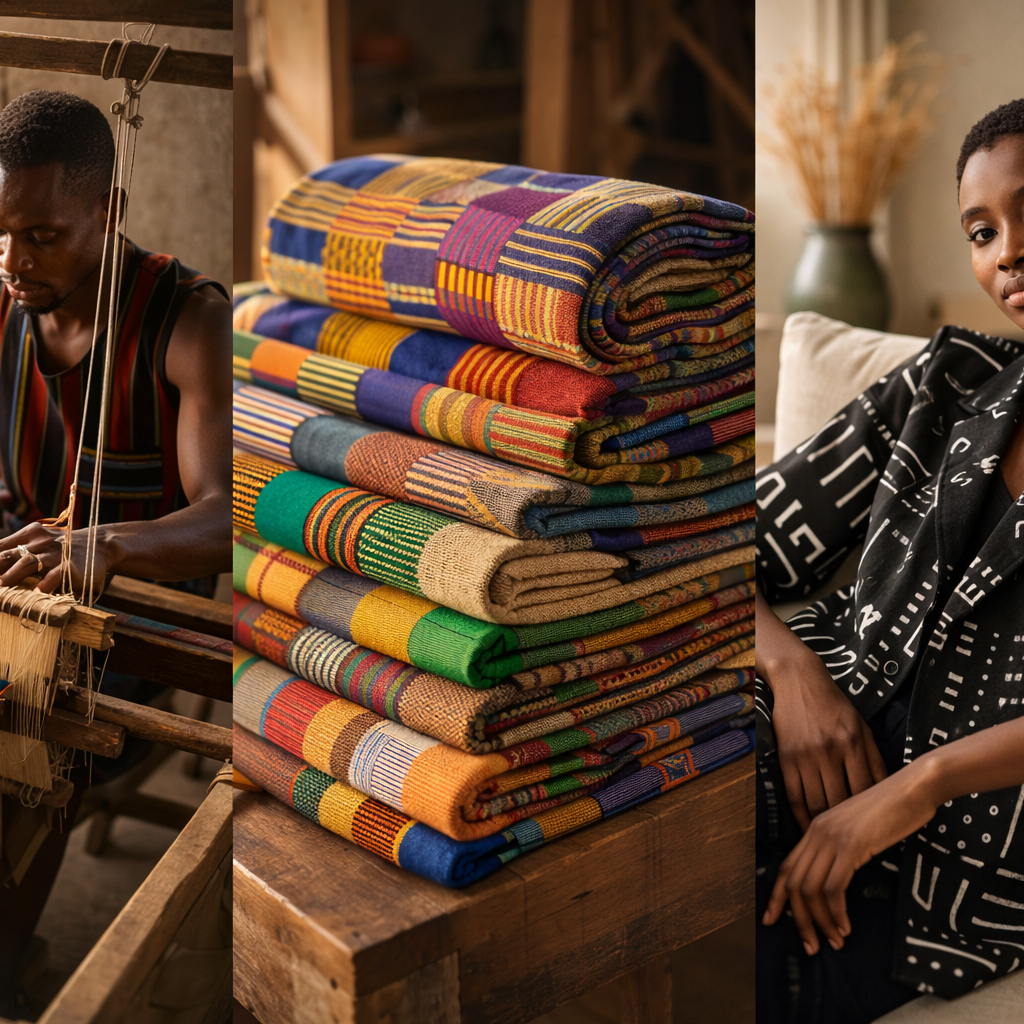
Africa contains over 3,000 ethnic groups, each with distinctive textile traditions. Below are several globally recognized fabrics examined through historical and scholarly context.
1. Kente cloth
Originating among the Akan people of present-day Ghana, Kente dates back to at least the 17th century.
During a visit to a weaving community near Kumasi, I observed how Kente is traditionally woven on narrow horizontal strip looms. Each strip is later sewn together to form a larger cloth.
Why Kente Is Symbolic
Research from the Ghana Museums and Monuments Board explains that:
- Each pattern has a name
- Many designs reference proverbs
- Cloths may commemorate historical events
- Colors convey philosophical meaning
Historically, Kente was reserved for royalty and sacred ceremonies. Today, it is worn during graduations and cultural celebrations, symbolizing African heritage and intellectual achievement.
UNESCO recognizes West African weaving traditions as part of Africa’s intangible cultural heritage, underscoring their global importance.
2. Ankara fabric (African Wax Print)
Ankara, widely worn across West and Central Africa, has a complex transnational history.
Textile historians note that so-called “African wax prints” were industrially produced in the 19th century by Dutch manufacturers inspired by Indonesian batik. Over time, West African traders adopted and reinterpreted these prints, embedding them with local meanings.
The Victoria and Albert Museum documents how African consumers transformed these imported textiles into culturally meaningful garments.
Symbolism in Ankara
Many prints receive colloquial names reflecting:
- Political commentary
- Marriage messages
- Social aspirations
- Proverbs
For example, certain prints have been nicknamed to communicate romantic admiration or financial independence within specific communities.
Ankara today represents a dynamic fusion of global trade history and African cultural adaptation.
3. Aso Oke
Aso Oke, meaning “top cloth,” originates from the Yoruba people of southwestern Nigeria.
At a traditional Yoruba wedding I attended, the coordinated Aso Oke worn by family members visually reinforced unity and prestige.
According to Nigerian textile scholarship and documentation from the National Museum Lagos:
Major Types of Aso Oke
- Alaari – Deep red; historically associated with royalty
- Sanyan – Beige silk; prestige fabric
- Etu – Dark indigo with stripes; formal ceremonial use
Aso Oke remains central in weddings, chieftaincy installations, and state ceremonies.
4. Mudcloth (Bògòlanfini)
Mudcloth originates among the Bambara people of Mali.
Production involves:
- Handwoven cotton strips
- Natural dyeing with plant extracts
- Application of fermented river mud
- Sun drying and repeated layering
The Smithsonian Institution documents how symbols in mudcloth historically conveyed:
- Protection
- Social role
- Spiritual beliefs
- Nature symbolism
Ethnographic studies describe how hunters sometimes wore mudcloth garments believed to carry protective spiritual properties — though interpretations vary by region.
Today, mudcloth is widely used in fashion and interior design, yet traditional production methods remain artisan-based.
5. Shweshwe
Shweshwe is strongly associated with Xhosa, Sotho, and Tswana communities in Southern Africa.
Originally introduced through 19th-century European trade, the fabric was embraced and indigenized within South African culture.
The Iziko South African Museum notes that Shweshwe became particularly associated with married women’s ceremonial attire.
Its indigo base and intricate geometric patterns remain culturally significant, especially during weddings and traditional celebrations.
Craftsmanship and Cultural Sustainability
Traditional African textiles are rooted in skilled craftsmanship:
- Strip weaving
- Natural dye fermentation
- Symbolic pattern literacy
- Embroidery and beadwork
In many communities, weaving knowledge is transmitted through apprenticeship systems.
Organizations such as UNESCO emphasize the importance of preserving traditional craftsmanship as part of safeguarding intangible cultural heritage.
Supporting authentic artisans helps:
- Preserve cultural knowledge
- Sustain local economies
- Protect traditional intellectual property
Cultural Appreciation vs. Appropriation
As African textiles gain global popularity, ethical considerations matter.
Respectful engagement includes:
- Learning the origins of the fabric
- Understanding ceremonial restrictions
- Purchasing from reputable or artisan sources
- Avoiding sacred cloth in inappropriate contexts
Cultural literacy enhances appreciation and prevents misrepresentation.
Why Understanding the Meaning Matters
Understanding traditional African fabrics:
- Promotes cross-cultural respect
- Preserves historical knowledge
- Supports artisan communities
- Strengthens diaspora identity
These textiles are not simply fashion statements — they are historical documents woven in thread.
Conclusion
Traditional African fashion represents one of the world’s richest textile traditions. From the philosophical symbolism of Kente to the ceremonial prestige of Aso Oke and the spiritual narratives embedded in Mudcloth, these fabrics embody centuries of artistry, resilience, and cultural continuity.
Grounded in museum research, ethnographic scholarship, and living tradition, African textiles continue to evolve while preserving deep ancestral meaning.
To wear them thoughtfully is to honor the communities that created them.