
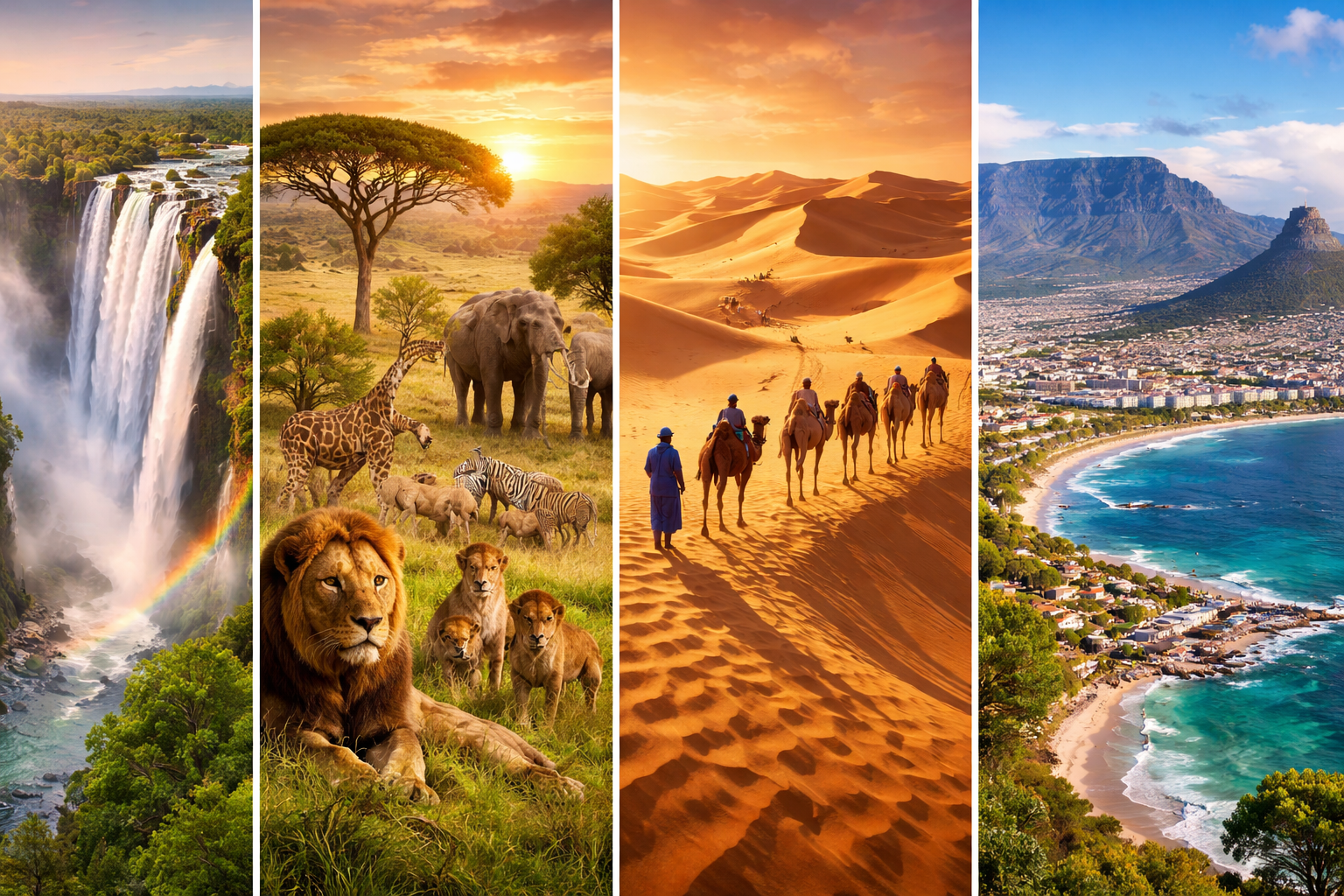
Africa is one of the most diverse and captivating continents in the world. From vast deserts and tropical beaches to ancient historical sites and wildlife-filled national parks, it offers experiences that few places on Earth can match. Travelers come to Africa to witness breathtaking natural wonders, explore ancient civilizations, and encounter wildlife in its natural habitat. Whether you dream of watching the Great Migration in Tanzania, climbing Africa’s highest mountain, or exploring vibrant cultural cities, the continent offers unforgettable destinations. This guide highlights 15 must-visit destinations in Africa, along with helpful insights and travel tips to help you plan your journey. 1. Victoria Falls, Zimbabwe and Zambia One of the most spectacular waterfalls on Earth is Victoria Falls, located on the border between Zimbabwe and Zambia. Locally known as Mosi-oa-Tunya, meaning “The Smoke That Thunders,” the falls stretch about 1.7 kilometers across the Zambezi River and produce an immense mist visible from miles away. Why Visit Travel Tip The best time to visit is February to May, when water levels are highest and the falls are most powerful. 2. Pyramids of Giza, Egypt Few landmarks represent human achievement like the Pyramids of Giza near Cairo. Built more than 4,500 years ago during the reign of the pharaohs, these pyramids are the only surviving wonder of the ancient world. Highlights Travel Tip Visit early in the morning or late afternoon to avoid heat and crowds. 3. Serengeti National Park, Tanzania One of the most famous safari destinations in the world is Serengeti National Park. The park is known for the Great Migration, where over 1.5 million wildebeest and zebras move across the plains each year. What Makes It Special Travel Tip The best time to witness river crossings during the migration is July to October. 4. Cape Town, South Africa Located between mountains and the Atlantic Ocean, Cape Town is widely considered one of the most beautiful cities in the world. Top Attractions Travel Tip Take the cable car to the top of Table Mountain for panoramic views of the city and coastline. 5. Maasai Mara National Reserve, Kenya The Maasai Mara National Reserve is one of Africa’s most famous safari destinations. Why Travelers Love It Travel Tip Visit July to September to see the Great Migration cross into Kenya. 6. Marrakech, Morocco The historic city of Marrakech is known for its colorful markets, historic palaces, and lively street culture. Experiences to Enjoy Travel Tip Try local Moroccan dishes like tagine and couscous at traditional markets. 7. Mount Kilimanjaro, Tanzania Standing at 5,895 meters, Mount Kilimanjaro is the tallest mountain in Africa. Unlike many high mountains, it can be climbed without technical mountaineering skills. Why It’s Popular Travel Tip The best climbing seasons are January–March and June–October. 8. Okavango Delta, Botswana The Okavango Delta is one of the most unique ecosystems in Africa. Seasonal floods transform the region into a lush wetland filled with wildlife. Unique Features Travel Tip Visit between May and September, when floodwaters attract large numbers of animals. 9. Zanzibar Island, Tanzania For beach lovers, Zanzibar offers some of the most beautiful coastlines in Africa. Highlights Travel Tip Combine a safari in Tanzania with a few relaxing days on Zanzibar’s beaches. 10. Sahara Desert The vast Sahara Desert stretches across North Africa. What Visitors Experience Travel Tip Morocco and Tunisia offer some of the easiest access points for desert tours. 11. Bwindi Impenetrable National Park, Uganda The Bwindi Impenetrable National Park is one of the few places where visitors can see endangered mountain gorillas in the wild. Why It Stands Out Travel Tip Permits are limited and should be booked months in advance. 12. Sossusvlei, Namibia Located within Namib‑Naukluft National Park, Sossusvlei is famous for its towering red sand dunes. What to See Travel Tip Early morning visits provide cooler temperatures and incredible photography light. 13. Lalibela Rock-Hewn Churches, Ethiopia The Lalibela Rock‑Hewn Churches are among Africa’s most extraordinary historical landmarks. Carved directly into rock during the 12th and 13th centuries, these churches remain active pilgrimage sites. Key Facts 14. Kruger National Park, South Africa One of Africa’s largest wildlife reserves is Kruger National Park. Wildlife Highlights Travel Tip Dry season (May–September) offers the best wildlife viewing. 15. Lake Malawi, Malawi The crystal-clear waters of Lake Malawi provide one of Africa’s most peaceful travel destinations. Why It’s Worth Visiting Best Time to Visit Africa’s Top Destinations Travel conditions vary widely across the continent. General guidelines: Destination Best Time Serengeti / Maasai Mara July – October Cape Town November – March Sahara Desert October – April Kilimanjaro June – October Okavango Delta May – September Essential Travel Tips for Visiting Africa 1. Plan Around Wildlife Seasons Safari experiences vary depending on migration and rainfall patterns. 2. Book Permits Early Activities like gorilla trekking in Uganda often require permits months in advance. 3. Consider Health Preparations Travelers may need vaccinations or malaria prevention depending on the destination. 4. Use Reputable Tour Operators Guided tours help ensure safety and support local conservation programs. Sources & References Information in this guide is supported by resources from: Final Thoughts Africa is a continent filled with natural wonders, cultural heritage, and unforgettable landscapes. From the roaring power of Victoria Falls to the ancient mysteries of the Pyramids of Giza, every destination offers something unique. Whether you’re planning a wildlife safari, cultural adventure, or relaxing beach escape, Africa provides travel experiences that can inspire a lifetime of memories. With careful planning and an open mind, travelers can discover why Africa remains one of the most fascinating destinations on Earth.
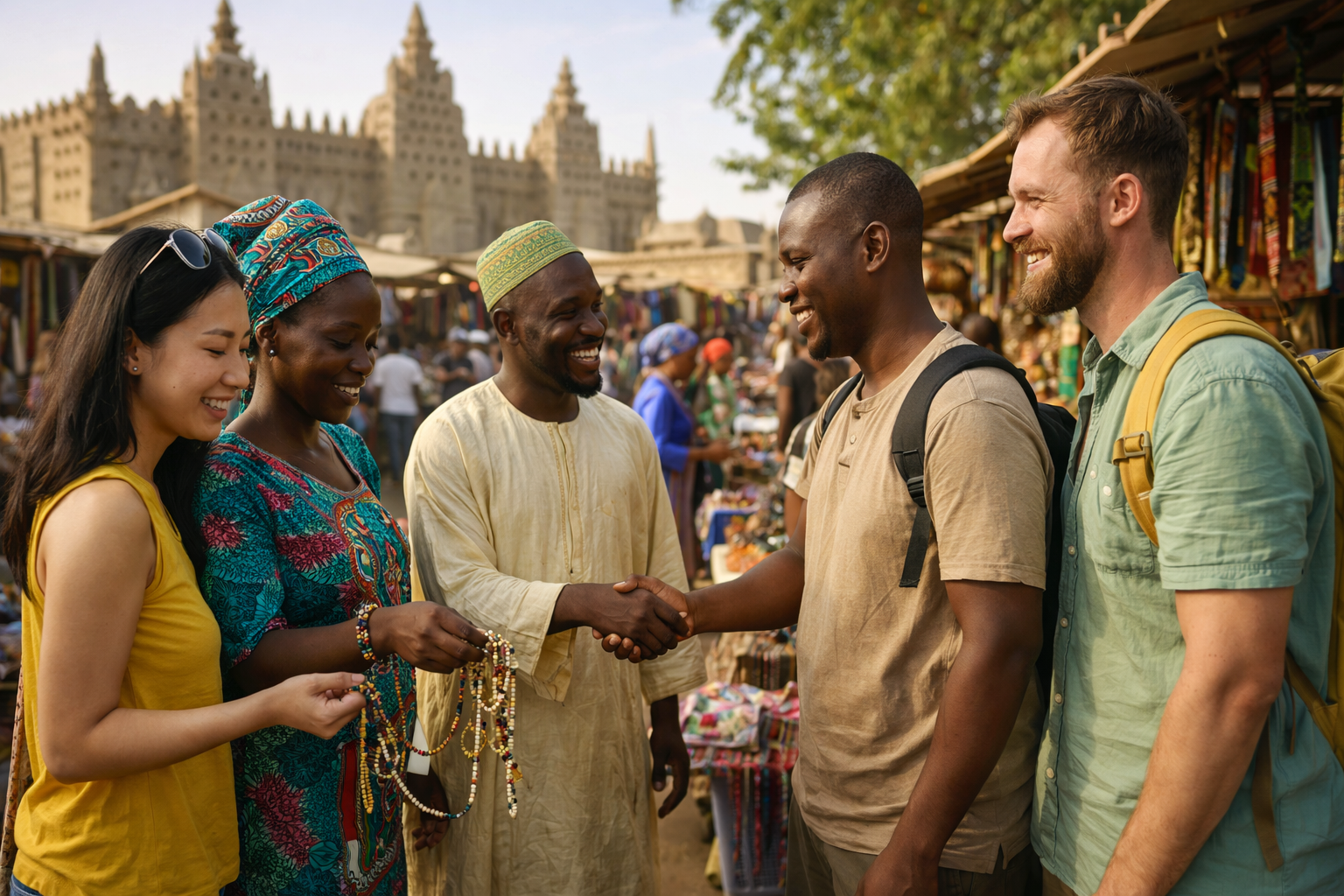
10 Cultural Etiquette Rules Every Traveler Should Know
Traveling to a new country is one of the most enriching experiences a person can have. It exposes you to different lifestyles, traditions, and ways of thinking. However, cultural misunderstandings can easily happen when travelers are unfamiliar with local social norms. According to research from the UN World Tourism Organization, international travel surpassed 1.3 billion global arrivals annually before the pandemic, highlighting how frequently people interact across cultures. With so many cross-cultural encounters happening every day, understanding cultural etiquette has become more important than ever. Cultural etiquette refers to the unspoken social rules that guide respectful behavior in a particular society. What is considered polite in one country may be inappropriate—or even offensive—in another. Learning a few basic etiquette principles before traveling can help you: Based on guidance from respected travel sources like Lonely Planet and National Geographic, here are 10 essential cultural etiquette rules every traveler should know. 1. Learn Basic Greetings in the Local Language One of the simplest ways to show respect when visiting a new country is learning a few basic phrases in the local language. Common phrases to learn include: Even small efforts can create a positive impression. For example, during a visit to a small café in Spain, simply greeting the owner with “Hola” before ordering instantly changed the interaction. Instead of a quick transaction, the owner became friendlier and even suggested local dishes to try. Travel experts at Lonely Planet note that attempting to speak the local language often leads to warmer interactions and greater cultural acceptance from locals. In many cultures, skipping a greeting entirely can be viewed as rude. 2. Dress According to Local Cultural Norms Clothing standards vary widely around the world, especially in religious or traditional communities. For instance: According to travel guidance from National Geographic, respecting local dress codes demonstrates cultural awareness and prevents unintentional disrespect. Before visiting religious sites or conservative areas, travelers should research dress expectations to avoid uncomfortable situations. 3. Understand Local Dining Etiquette Food plays a central role in cultural identity, and table manners can vary significantly between cultures. Some examples include: Dining customs can be surprisingly different from what travelers are used to at home. Experts from BBC Travel note that observing how locals behave at the table is often the best way to avoid dining etiquette mistakes. When unsure, politely following the host’s lead is usually the safest approach. 4. Be Aware of Personal Space Differences Different cultures have different comfort levels when it comes to physical distance during conversations. Cross-cultural communication studies show that: These differences can sometimes lead to awkward moments if travelers are unaware of them. Pay attention to body language. If someone steps back during a conversation, it may indicate they prefer more distance. 5. Respect Religious Customs and Sacred Spaces Religion plays an important role in many societies, and visitors are expected to behave respectfully when entering religious locations. Common etiquette rules include: For example, many mosques require visitors to remove their shoes before entering prayer areas. Travel guidelines from UN World Tourism Organization emphasize that respect for religious traditions helps maintain positive relationships between visitors and local communities. Being mindful of these customs shows appreciation for the cultural significance of these places. 6. Always Ask Permission Before Taking Photos of People Photography is a common part of travel, but taking pictures of strangers without permission can be considered intrusive in many cultures. In some communities: According to guidance from National Geographic, asking permission before taking someone’s photo is considered respectful travel behavior. A simple smile and polite request can make interactions more positive and respectful. 7. Be Careful With Hand Gestures Hand gestures can have very different meanings depending on the country. Examples include: Gesture Meaning in Different Countries Thumbs up Offensive in parts of the Middle East OK sign Considered insulting in Brazil Pointing with a finger Viewed as rude in several Asian cultures Because gestures can easily be misunderstood, it is often safest to use neutral body language when communicating abroad. Understanding these differences can prevent unintended offense. 8. Learn Local Tipping Customs Tipping expectations vary greatly across the world. Examples include: Travel experts at Lonely Planet advise travelers to research tipping practices before visiting a country, as inappropriate tipping can cause confusion. Knowing the local customs helps travelers show appreciation appropriately. 9. Understand Cultural Attitudes Toward Time Not all cultures view punctuality in the same way. For example: According to research discussed by BBC Travel, these differences reflect deeper cultural attitudes toward time and social interaction. When attending business meetings, arriving on time is usually expected. For casual social gatherings, flexibility may be more common. 10. Observe and Adapt to Local Behavior One of the most effective ways to understand cultural etiquette is simply observing how locals behave. Pay attention to how people: Adapting to these behaviors shows respect and cultural awareness. Experienced travelers often say that observation is one of the most valuable tools for navigating unfamiliar environments. Why Cultural Etiquette Matters When Traveling Respecting cultural etiquette is not just about avoiding awkward moments—it also improves the overall travel experience. According to research from the UN World Tourism Organization, responsible tourism practices help preserve cultural heritage and promote positive interactions between visitors and local communities. When travelers show respect for local customs, they are more likely to receive: Ultimately, cultural awareness helps create more meaningful travel experiences. Final Thoughts Travel allows people to explore new environments, meet diverse communities, and broaden their perspectives. However, the most rewarding travel experiences happen when visitors approach new cultures with curiosity and respect. Learning basic greetings, respecting religious traditions, understanding dining customs, and observing local behavior can help travelers navigate unfamiliar cultures confidently. Cultural etiquette does not require perfection. What matters most is the willingness to learn, adapt, and show genuine respect for the communities you visit. When travelers embrace this mindset, they contribute to positive cultural exchange and memorable travel experiences for everyone involved.
Maasai Culture: What Travelers Should Know Before Visiting a Maasai Village
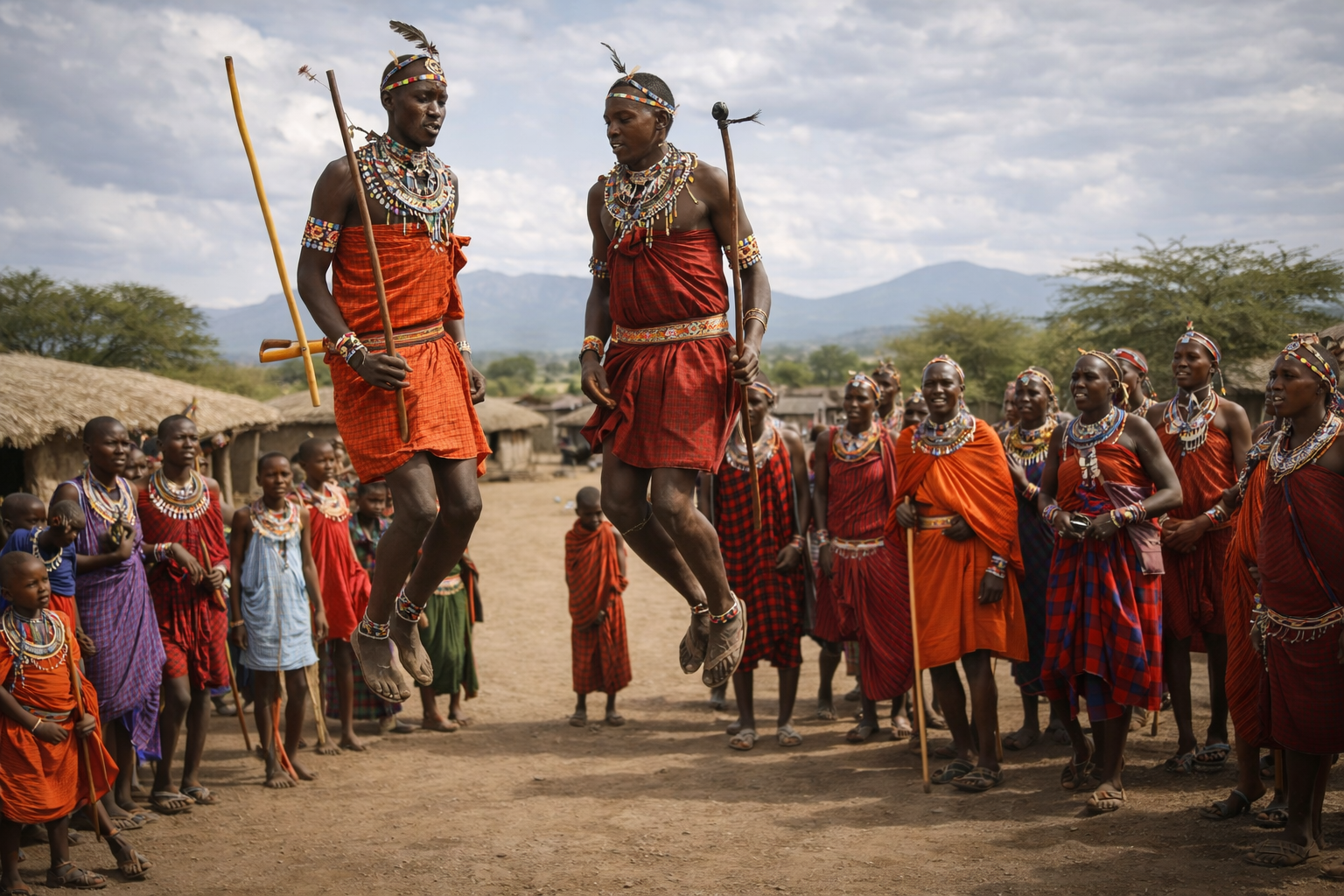
Traveling to East Africa offers an opportunity to encounter some of the world’s most vibrant and enduring cultures. Among the most well-known indigenous communities in the region are the Maasai people, a pastoral society living primarily in southern Kenya and northern Tanzania. Many visitors traveling to wildlife destinations such as the Maasai Mara National Reserve or Serengeti National Park also take part in cultural tours that introduce them to Maasai traditions, daily life, and community values. During typical village visits, travelers are often welcomed by local guides, shown traditional homes called manyattas, and invited to observe cultural practices such as beadwork or the famous jumping dance. These experiences can be fascinating and educational—but they are most meaningful when visitors approach them with respect and cultural understanding. This guide explains the key aspects of Maasai culture, including their traditions, social structure, ceremonies, and the etiquette travelers should follow when visiting a Maasai community. Who Are the Maasai? The Maasai are a semi-nomadic ethnic group known for their strong pastoral traditions and distinctive cultural identity. Their communities have historically lived across the Great Rift Valley region of East Africa. For centuries, the Maasai economy and social system have been centered around cattle herding. Livestock provides food, wealth, and cultural identity. The Maasai are widely recognized for several cultural traditions: Despite modernization across East Africa, many Maasai communities continue to preserve important cultural practices while also adapting to education, tourism, and modern technology. Anthropologists studying East African pastoral cultures note that Maasai traditions remain one of the most well-documented indigenous cultural systems in the region. Why Cattle Are Central to Maasai Culture Cattle hold deep economic, social, and spiritual importance in Maasai society. According to traditional beliefs, cattle were entrusted to the Maasai by their deity Enkai, making livestock not only a livelihood but also a sacred responsibility. Cattle provide many essential resources: Historically, a family’s prosperity was often measured by the size of its herd. During village visits, travelers may notice cattle kept in central enclosures within the settlement. These areas are carefully protected at night from predators using thorn fences. Researchers from the Smithsonian Institution and various anthropological studies have documented the importance of livestock in Maasai culture and pastoral economies. Traditional Maasai Clothing and Beadwork One of the most recognizable aspects of Maasai culture is their colorful clothing and jewelry. Visitors arriving at Maasai villages often immediately notice vibrant red garments and intricate bead necklaces worn by community members. The Shúkà The traditional cloth worn by many Maasai is called a shúkà. Red is the most iconic color and is widely associated with strength and protection. However, blue, purple, and patterned fabrics are also common today. Modern Maasai clothing sometimes blends traditional and contemporary styles, reflecting the community’s ability to adapt while preserving cultural identity. Maasai Beadwork Maasai beadwork is both artistic and symbolic. Women traditionally create detailed jewelry pieces including: The colors used in beadwork often carry cultural meaning: Visitors often see artisans crafting beadwork during village tours. Purchasing handmade jewelry directly from artisans can help support local families and community initiatives. Organizations such as the United Nations Educational, Scientific and Cultural Organization have highlighted beadwork as an important form of cultural expression among East African pastoral communities. The Maasai Age-Set System and Warriors Maasai society is organized through a structured age-set system, where groups of men pass through life stages together. Each stage carries specific social roles and responsibilities. Children Children learn essential skills from a young age, including caring for livestock and participating in community activities. Warriors (Morans) Young men become warriors, known as morans, after initiation ceremonies. Historically, morans were responsible for protecting the community and livestock. Today their role is largely symbolic but remains culturally important. One of the most famous traditions associated with morans is the Adumu jumping dance, where warriors leap vertically into the air during ceremonies or cultural performances. Visitors attending cultural tours often observe this dance as part of village demonstrations. Elders Elders hold significant authority in Maasai society. They make important decisions, mediate disputes, and preserve oral traditions passed down through generations. Understanding this leadership structure helps travelers appreciate how respect and authority operate within Maasai communities. Traditional Maasai Villages (Manyattas) Maasai settlements are commonly called manyattas. These villages typically have a circular design with homes arranged around a central livestock enclosure. Manyatta houses are traditionally built by women using natural materials such as: The structures are designed to provide insulation and protection from weather. During village tours, travelers are sometimes invited to step inside a traditional house to see how families live and cook. Because these homes are small and functional, visitors should follow the instructions of guides and avoid entering homes without permission. Important Maasai Ceremonies Ceremonies play a central role in Maasai cultural life and often mark major life transitions. Some of the most important ceremonies include: Initiation Ceremonies These mark the transition from childhood to adulthood and involve community celebrations. Marriage Traditions Marriage often involves negotiations between families and the exchange of livestock or gifts. Eunoto Ceremony The Eunoto ceremony marks the transition of warriors into elderhood. It is one of the most important cultural milestones in Maasai society. Visitors rarely attend these ceremonies unless invited by the community. Anthropologists and cultural researchers have documented these traditions extensively in studies of East African pastoral societies. What to Expect When Visiting a Maasai Village A typical Maasai cultural visit often includes several activities designed to introduce visitors to local traditions. While experiences vary by community, many tours include: These visits usually last between 30 minutes and 2 hours. Responsible tourism programs ensure that the community receives a fair share of the income generated from cultural tours. Cultural Etiquette for Travelers Respectful behavior is essential when visiting indigenous communities. Here are important guidelines for travelers. Ask Before Taking Photos Photography is one of the most sensitive issues during village visits. Always ask permission before taking photos of individuals. In some communities, people may request a small payment
Exploring Lagos: Africa’s Most Vibrant Mega-City
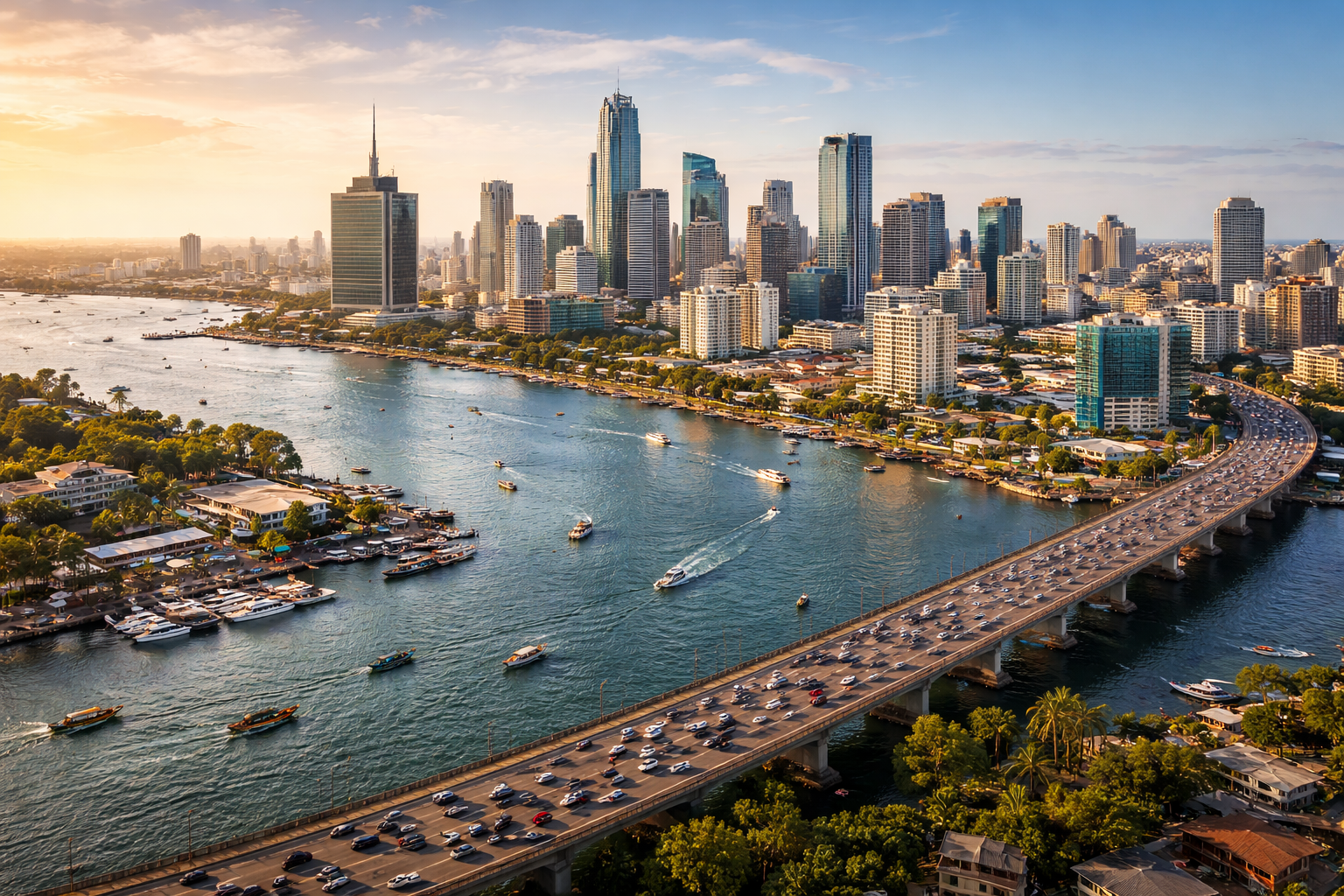
Few cities capture the energy and ambition of modern Africa quite like Lagos, Nigeria’s largest city and one of the fastest-growing urban centers in the world. Located along the Atlantic coast of southwestern Nigeria, Lagos has transformed from a historic trading port into a sprawling mega-city that influences business, culture, technology, and entertainment across the continent. According to estimates from the United Nations, the Lagos metropolitan area is home to more than 20 million people, making it one of the largest urban areas in Africa. The city also contributes a significant share of Nigeria’s economic output, with industries ranging from finance and technology to shipping and film production. For visitors and residents alike, Lagos offers a fascinating mix of modern development, traditional culture, busy markets, and lively coastal neighborhoods. From tech startups in Victoria Island to street food stalls in Surulere, daily life in Lagos reflects both rapid urban growth and deep cultural heritage. This guide explores Lagos’ history, economy, culture, and everyday experiences while offering practical insights for anyone interested in exploring Africa’s most vibrant mega-city. The Historical Roots of Lagos Understanding Lagos begins with its early history. The city originally developed as a Yoruba settlement known as Eko, located on islands and coastal areas along the Lagos Lagoon. In the 15th century, Portuguese traders arrived along the West African coast and began trading in the region. They later referred to the area as Lagos, a name that eventually became widely adopted. By the 19th century, Lagos had grown into a major port for regional and international trade. In 1861, the city became a British colony, and in 1914 it was designated the capital of colonial Nigeria. Lagos remained Nigeria’s capital until 1991 when the federal government moved to Abuja. Despite losing political capital status, Lagos continued to expand economically and culturally. Today, historic neighborhoods such as Lagos Island still preserve elements of the city’s past through colonial-era buildings, traditional markets, and cultural festivals. Lagos: Nigeria’s Economic Powerhouse Lagos is widely regarded as the commercial heart of Nigeria and one of Africa’s most important financial centers. According to economic research published by the World Bank, Lagos accounts for a large portion of Nigeria’s non-oil economic activity and hosts thousands of businesses across multiple industries. Major Business Districts Several areas of Lagos serve as major financial and commercial hubs. Victoria Island Victoria Island is one of Lagos’ primary financial districts. The area contains corporate headquarters, luxury hotels, embassies, and major banks. Ikoyi Ikoyi is known for its high-end residential neighborhoods, diplomatic offices, and upscale restaurants. Lekki Lekki has experienced rapid development over the past decade and now hosts tech companies, residential estates, and new infrastructure projects. These districts represent the city’s growing global connections and expanding middle class. Africa’s Fast-Growing Technology Hub In recent years, Lagos has become one of Africa’s leading centers for technology startups and digital entrepreneurship. The city has earned the nickname “Silicon Lagoon” due to the concentration of tech companies and venture capital investment. Several globally recognized startups originated in Lagos, including: Reports from Partech, a venture capital firm that tracks African tech investment, consistently rank Lagos among the top cities for startup funding on the continent. Young entrepreneurs, software developers, and investors continue to drive innovation in financial technology, logistics platforms, and digital commerce. Culture and Entertainment: The Heartbeat of Lagos Beyond business and technology, Lagos is widely recognized as one of Africa’s most influential cultural capitals. Music and Creative Arts Lagos plays a central role in the global rise of Afrobeats music. Internationally recognized artists such as Burna Boy and Wizkid built much of their early careers in the city’s music scene. Recording studios, live performance venues, and nightclubs across Lagos regularly host concerts and cultural events that attract both local fans and international visitors. The city is also the center of Nollywood, Nigeria’s film industry, which produces thousands of movies each year and ranks among the largest film industries in the world by volume. Creative professionals in Lagos work across multiple industries including: Cultural Festivals and Traditions Traditional celebrations remain an important part of Lagos culture. One of the most famous is the Eyo Festival, a historic Yoruba cultural event known for its striking white robes and ceremonial processions through the streets of Lagos Island. During the festival, participants known as “Eyo masquerades” perform traditional dances while crowds gather to celebrate Yoruba heritage and community traditions. Events like these highlight the city’s ability to preserve cultural identity while continuing to modernize. Iconic Places to Visit in Lagos For travelers and explorers, Lagos offers a wide variety of attractions ranging from beaches to museums. Beaches Along the Atlantic Coast Because Lagos lies along the Atlantic Ocean, several beaches attract visitors throughout the year. Popular destinations include: Tarkwa Bay is particularly popular because it is accessible mainly by boat, which creates a more relaxed atmosphere compared to the busy mainland beaches. On weekends, visitors often gather for beach football, live music, and grilled seafood prepared by local vendors. Museums and Historical Sites Visitors interested in Nigerian history can explore several cultural institutions, including the National Museum Lagos, which houses artifacts, sculptures, and historical exhibits related to Nigeria’s cultural heritage. The museum provides insight into traditional art, ancient kingdoms, and Nigeria’s journey through colonial history to independence. Famous Markets and Shopping Areas Markets are an essential part of everyday life in Lagos and offer visitors a chance to experience the city’s vibrant street commerce. Some of the best-known markets include: Walking through Balogun Market on Lagos Island can be an intense but fascinating experience. The narrow streets are filled with traders selling textiles, electronics, and clothing while shoppers bargain energetically over prices. Everyday Life in Lagos Life in Lagos moves quickly, shaped by both opportunity and the challenges of living in a massive urban environment. Transportation and Traffic Getting around Lagos requires patience and planning. Major routes such as the Third Mainland Bridge, one of Africa’s longest bridges, connect mainland districts with Lagos Island and
Is Africa Safe for Tourists? A Guide for Smart Travelers
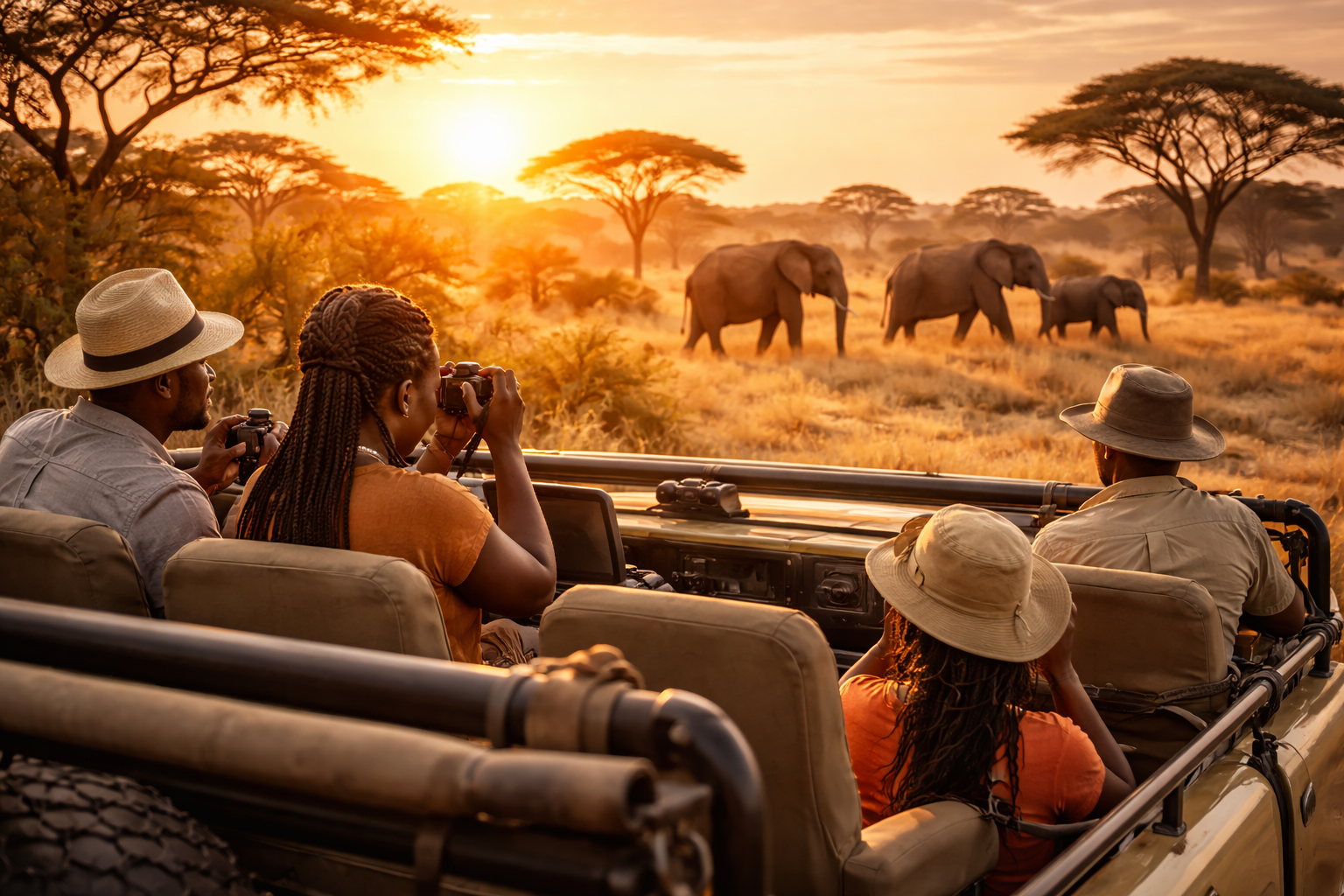
Africa is not a single travel experience. It is a continent of 54 distinct countries, each with different political environments, crime levels, healthcare systems, tourism infrastructure, and cultural contexts. Every year, tens of millions of international visitors travel to African destinations for safaris, historical tourism, beaches, business, and cultural exploration. According to the United Nations World Tourism Organization (UNWTO), Africa has consistently recorded strong international tourist arrivals, particularly in North and Southern Africa. But the key question remains: Is Africa safe for tourists? The expert answer is nuanced: Many African destinations are safe for tourists — especially established tourism hubs — but safety depends entirely on the specific country, region, and traveler preparation. This guide provides a data-informed, authority-backed breakdown to help you evaluate risk realistically. Understanding Risk: Africa Is Not One Safety Profile One of the most common mistakes travelers make is treating Africa as a single risk category. Safety conditions in: are very different from conditions in conflict-affected regions. Travel advisories from the U.S. Department of State and the UK Foreign Office categorize African countries across all four advisory levels — from Level 1 (“Exercise Normal Precautions”) to Level 4 (“Do Not Travel”). This variation alone demonstrates why generalizing about Africa’s safety is inaccurate. Crime Risk: What the Data Shows Petty Crime Like many global tourist destinations, African urban centers experience opportunistic crime such as: Cities such as: have vibrant tourism economies but also typical big-city crime patterns. According to the United Nations Office on Drugs and Crime (UNODC), crime levels vary significantly by region and city, not by continent alone. Expert Insight:Tourist-targeted crime in major African cities is often comparable to crime in parts of Latin America or Southern Europe. Standard urban precautions significantly reduce risk. Violent Crime Violent crime exists in certain regions, particularly in parts of: However, most violent crime is localized and not directed at tourists staying in regulated tourism zones. Travelers staying in: face significantly lower exposure. Political Stability & Conflict Zones Some African countries experience: However, tourism areas are often geographically distant from conflict zones. For example: Always verify real-time advisory status using: Important: Safety conditions can change rapidly. Always check advisories within 2–4 weeks of departure. Health & Medical Safety Health preparation is one of the most important safety factors. According to the Centers for Disease Control and Prevention (CDC) and the World Health Organization (WHO): Vaccinations May Include: Malaria Risk: Malaria risk is region-specific, not continent-wide.High-altitude cities like Nairobi have significantly lower malaria risk than rural tropical zones. Water Safety: In some destinations, bottled or treated water is recommended. Expert Recommendation:Schedule a travel health consultation 4–8 weeks before departure. Wildlife Safety: How Risk Is Managed African safari tourism is highly regulated in established destinations like: Professional safari operators follow strict protocols: Serious wildlife incidents involving tourists are statistically uncommon when safety rules are followed. The primary risk factor is noncompliance — exiting vehicles without permission or ignoring guide instructions. Safest African Countries for Tourists (Based on Stability & Infrastructure) Based on international advisory consistency, tourism infrastructure, and political stability, the following countries frequently receive favorable safety ratings: Mauritius Namibia Botswana Rwanda Note: “Safer” does not mean “risk-free.” It indicates stronger governance, tourism regulation, and lower advisory levels. Solo Travel in Africa Solo travel is common in: For solo travelers: Female solo travelers often report positive experiences in structured tourism environments but should apply enhanced situational awareness. Media Perception vs. Statistical Reality International media coverage often focuses on: However, these events are geographically concentrated and not continent-wide. According to World Bank tourism data, multiple African economies continue to rely heavily on international travel revenue — indicating sustained visitor confidence. Perception risk and statistical risk are often misaligned. Practical Risk-Reduction Checklist Before Travel: During Travel: Emergency Preparedness: When Travel Should Be Postponed Reconsider travel if: Responsible travel includes knowing when not to travel. Final Expert Conclusion: Is Africa Safe? Africa contains: It is not accurate to say Africa is “safe” or “unsafe.” It is accurate to say: Many African destinations are safe for well-prepared travelers who research specific regions, follow official advisories, and take standard precautions. Millions of travelers visit Africa safely each year. Safety is not determined by the continent.It is determined by preparation, destination choice, and informed decision-making.
Best Time to Visit Africa by Region (2026 Travel Planner With Expert Insights)
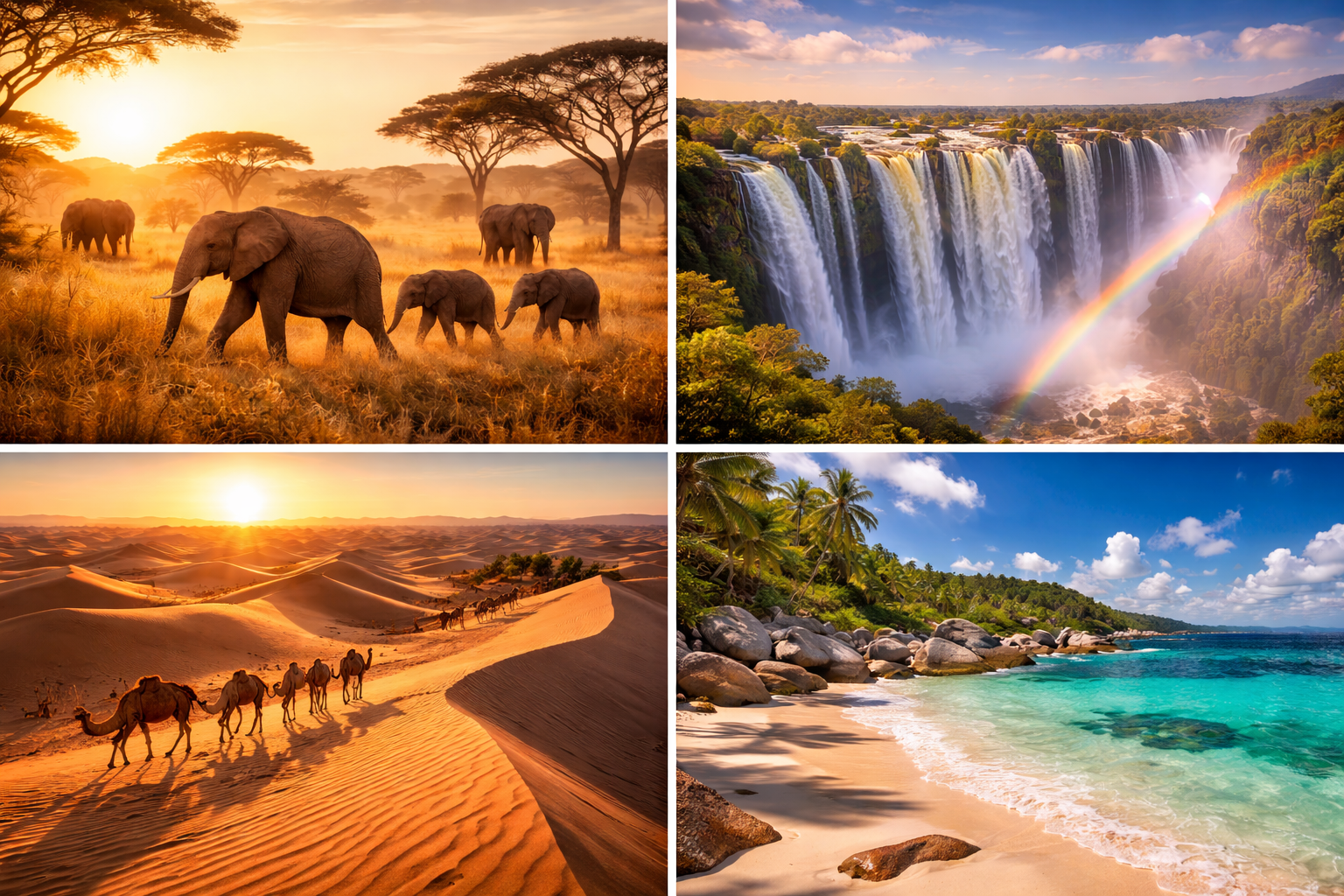
Planning a trip to Africa isn’t just about picking a month — it’s about matching your travel goals with regional climate patterns, wildlife behavior, crowd levels, and seasonal costs. After traveling across multiple African regions during both peak and shoulder seasons — including a dry-season safari in Kenya and summer travel in North Africa — one thing becomes clear: There is no single “best time” to visit Africa. There is only the best time for your specific experience. This people-first guide breaks down the best time to visit Africa by region, explains why timing matters, and helps you plan based on wildlife viewing, beaches, budget, photography, and comfort. How Africa’s Climate Actually Works Africa spans both hemispheres and the equator. That means: According to the World Meteorological Organization, tropical regions experience rainfall-driven seasonality rather than temperature-driven seasons. For travel planning, your two biggest decision factors are: North Africa (Morocco, Egypt, Tunisia) Best Time: March–May & September–November Countries like Morocco, Egypt, and Tunisia offer desert landscapes, Roman ruins, and vibrant cities. Why Spring & Autumn Are Ideal During a May visit to Marrakech, midday exploring was comfortable — but by July, temperatures in inland cities often exceed 40°C (104°F), according to Egypt’s Meteorological Authority climate data. When to Avoid June–August: Winter (Dec–Feb): Best for: History lovers, cultural travel, photography without heat distortion. East Africa (Kenya, Tanzania, Uganda, Rwanda) Best Time: June–October (Long Dry Season) Countries like Kenya, Tanzania, Uganda, and Rwanda are safari powerhouses. In reserves like Serengeti National Park and Maasai Mara National Reserve: During a July safari in the Maasai Mara, morning game drives consistently produced sightings within 30–45 minutes due to concentrated wildlife movement. The Great Migration Timing The migration between Serengeti and Maasai Mara generally peaks July–September, but rainfall patterns influence movement yearly. Official park authorities and the Kenya Wildlife Service recommend booking 6–12 months in advance for peak crossings. Rainy Seasons Travel is possible and cheaper, but some rural roads may flood. Best for: First-time safari travelers, wildlife photographers, gorilla trekking. Southern Africa (South Africa, Botswana, Namibia, Zimbabwe) Best Safari Time: May–September (Dry Winter) Countries including South Africa, Botswana, Namibia, and Zimbabwe offer diverse landscapes. In Kruger National Park: Victoria Falls Victoria Falls is: According to Zambia Tourism data, water flow peaks around April. Cape Town Cape Town is best November–March for beaches and vineyards. Best for: Safari veterans, self-drive trips, mixed wildlife + city travel. West Africa (Ghana, Senegal, Nigeria) Best Time: November–February Countries such as Ghana, Senegal, and Nigeria experience: The Harmattan is a dry Saharan wind documented by regional meteorological services and the World Meteorological Organization. May–October can bring heavy rains and flooding in some coastal areas. Best for: Cultural travel, heritage tourism, festivals. Central Africa (Cameroon, Gabon, DR Congo) Countries like Cameroon, Gabon, and Democratic Republic of the Congo sit near the equator. Best Time: June–September & December–February Infrastructure varies, so always check official travel advisories before booking. Best for: Adventure travelers, rainforest wildlife, off-the-beaten-path exploration. Indian Ocean Islands (Mauritius, Seychelles, Madagascar) Mauritius & Seychelles MauritiusSeychelles Best: May–October Madagascar Madagascar Best: April–NovemberCyclone risk: January–March The cyclone season is monitored by the World Meteorological Organization. Best for: Beach vacations, marine life, honeymoons. Quick Planning Table (People-First Summary) Goal Best Region Best Months Safari (East Africa) Kenya/Tanzania June–October Safari (Southern Africa) Botswana/South Africa May–September Victoria Falls Power Zambia/Zimbabwe Feb–May Beaches (Indian Ocean) Mauritius/Seychelles May–October Desert Travel Morocco/Egypt March–May, Sept–Nov Budget Travel Most regions Shoulder seasons Budget & Booking Strategy Health & Safety Timing Considerations Always check: Trustworthy planning includes reviewing official tourism boards and meteorological services. Authoritative Source Framework (Transparency Section) This guide is built using: Because seasonal patterns vary yearly due to climate variability, always verify forecasts before final booking. Final People-First Advice Instead of asking: “What is the best time to visit Africa?” Ask: Africa is a year-round destination — but each month offers a different version of the continent. Align your goals with the right region and season, and you’ll dramatically increase the quality of your experience.
Zanzibar Travel Guide (2026): Beaches, Culture, Costs & Local Tips
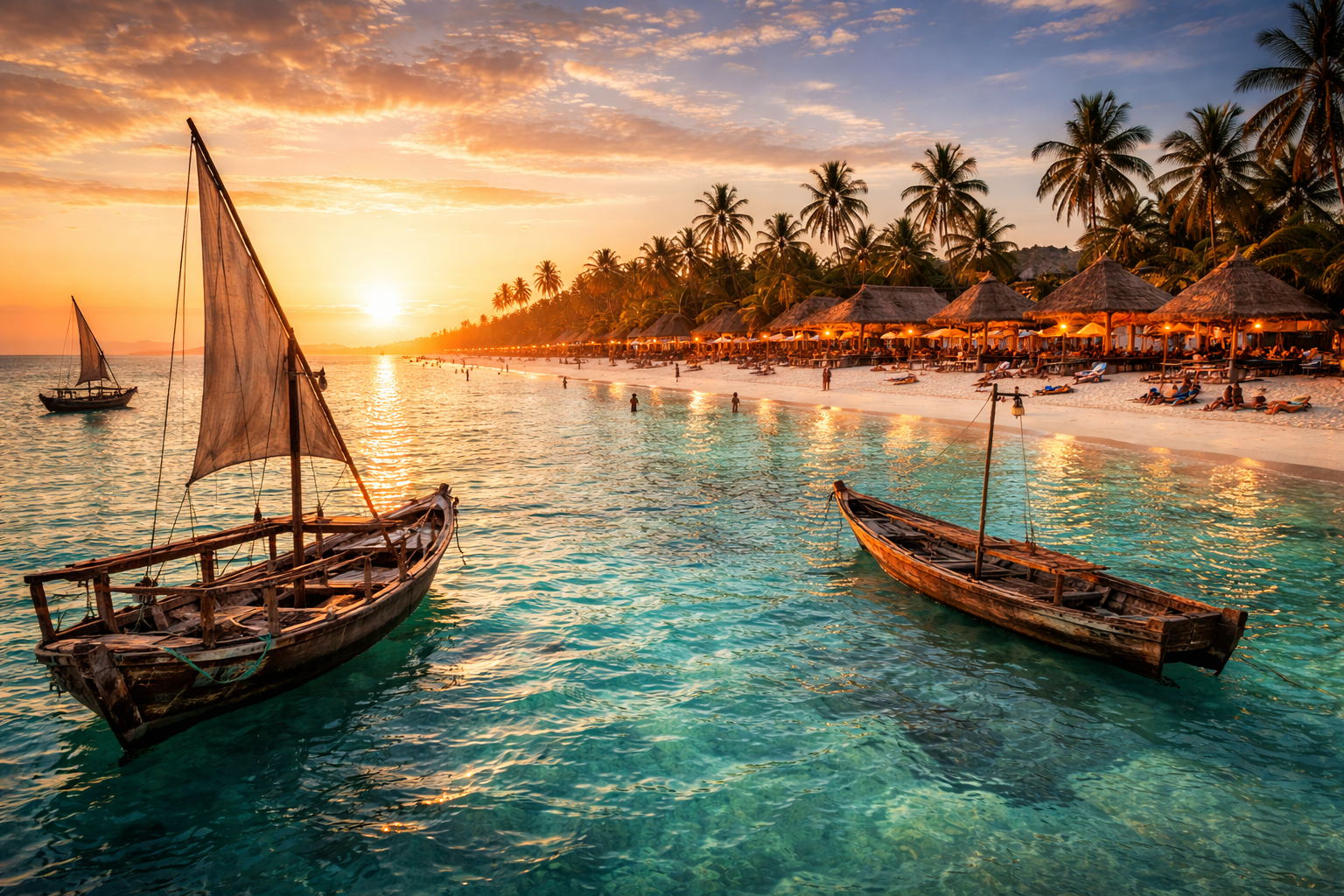
Zanzibar isn’t just a beach destination — it’s a layered cultural crossroads where Swahili, Arab, Indian, and European influences meet in daily life. After spending time across the island — from the tidal flats of Paje to sunset in Nungwi and evenings wandering Stone Town — this guide combines firsthand observations with practical, verified planning advice to help you travel confidently. Zanzibar is a semi-autonomous archipelago of Tanzania in the Indian Ocean. Most visitors arrive via Abeid Amani Karume International Airport (ZNZ) or by ferry from Dar es Salaam. Why Visit Zanzibar? What surprised me most about Zanzibar is how different each coastline feels: You can relax on turquoise beaches in the morning and explore centuries-old alleyways by afternoon. The Best Beaches in Zanzibar (With Real Differences Explained) 📍 Nungwi Beach – Best for Swimming Anytime Located on the northern tip of Unguja Island, Nungwi has the calmest and most swimmable water on the island. Unlike the east coast, tides here don’t dramatically pull the ocean hundreds of meters away. Firsthand insight: Even at mid-afternoon, I was able to swim comfortably without walking far out. The sunsets are direct and vivid — one of the few places on the island where the sun drops straight into the ocean. Best for: Couples, first-time visitors, relaxed beach daysDownside: More developed and busier than other areas 📍 Kendwa Beach – Wide Sand & Quieter Vibes Just south of Nungwi, Kendwa has a broader, less crowded shoreline. The sand feels softer underfoot, and the open horizon makes sunset photography easier. Best for: Honeymooners, families, travelers wanting spaceSwimming: Excellent year-round 📍 Paje Beach – Kite Surfing & Tidal Drama Paje, on the southeast coast, is very different. Here, the tide can retreat dramatically — sometimes over 500 meters. During low tide, locals farm seaweed and visitors walk across shallow lagoons. Firsthand insight: The exposed reef walks are fascinating, but swimming is best during high tide. Best for: Digital nomads, kite surfers, budget travelersNote: Check tide schedules before booking Exploring Stone Town – A Living Swahili Heritage Site Stone Town is the historical core of Zanzibar City and was designated a UNESCO World Heritage Site in 2000 for its cultural significance. What It Actually Feels Like Walking here is immersive: You don’t just “see” history — you move through it. 🏛 House of Wonders Built in 1883 by Sultan Barghash, this was once the tallest building in East Africa and the first in Zanzibar to have electricity. Important update: The building has undergone structural restoration in recent years after partial collapse, so interior access may be limited. Always check current access before visiting. 🌅 Forodhani Gardens Every evening, this waterfront park becomes a food market. I tried: Tip: Go around 6–7 PM for the best atmosphere. The “Spice Island” Legacy Zanzibar became a global spice hub under Omani rule in the 19th century. Cloves were especially significant economically. On a guided spice farm tour, you’ll see: Firsthand insight: Tasting raw nutmeg fruit was unexpectedly sweet — not at all like the powdered version used in baking. Choose licensed farms that explain sustainable cultivation practices. Hidden Gems Worth Your Time 🌳 Jozani Chwaka Bay National Park Zanzibar’s only national park protects mangrove forests and the endemic Zanzibar red colobus monkey. The monkeys are habituated to humans but remain wild. Tip: Visit early morning for fewer crowds and more wildlife activity. 🐢 Prison Island A short boat ride from Stone Town, this island is home to giant Aldabra tortoises. Note: Choose ethical operators that avoid overcrowding and allow animals space. 🍽 The Rock Restaurant Zanzibar Built on a rock in the Indian Ocean, accessible by foot at low tide and boat at high tide. Honest review: You go for the setting. The seafood is good, but the panoramic view is the real highlight. Reservations recommended. Practical Travel Planning (Updated & Verified) Entry Requirements Zanzibar follows Tanzania’s visa policy. Always verify with your embassy before travel. Best Time to Visit Zanzibar has two main dry seasons: Rainy seasons: June–September is ideal for beach weather and wildlife. Budget Breakdown (Per Day Estimate) Travel Style Budget Range (USD) Backpacker $35–60 Mid-range $80–180 Luxury $250+ Taxi from airport to Nungwi: approx. $35–50Spice tour: $15–25Prison Island trip: $25–40 Prices fluctuate by season. Getting Around For safety and convenience, most travelers use registered taxis or organized tours. Health & Safety Zanzibar is generally considered safe for tourists, though petty theft can occur in busy areas. Recommendations: Travel insurance is strongly recommended. Cultural Etiquette Zanzibar has a predominantly Muslim population. Outside beach resorts: Respectful dress is appreciated in towns and villages. Sample 4-Day Itinerary Day 1: Arrive, explore Stone Town, sunset at ForodhaniDay 2: Spice tour + Prison IslandDay 3: Transfer to Nungwi/Kendwa, beach & dhow cruiseDay 4: Snorkeling trip or Jozani Forest visit Internet & Money Wi-Fi is improving but inconsistent outside major hotels. Final Thoughts: What Makes Zanzibar Special Zanzibar isn’t just about beaches. It’s the blend of: From swimming at Nungwi at sunset to hearing the evening call to prayer in Stone Town, Zanzibar feels both peaceful and deeply storied. If you plan carefully, respect local customs, and explore beyond the resort, Zanzibar becomes far more than a tropical getaway — it becomes a cultural experience layered with history and natural beauty.
A Day Inside an African Open-Air Market: Culture, Commerce, and Community
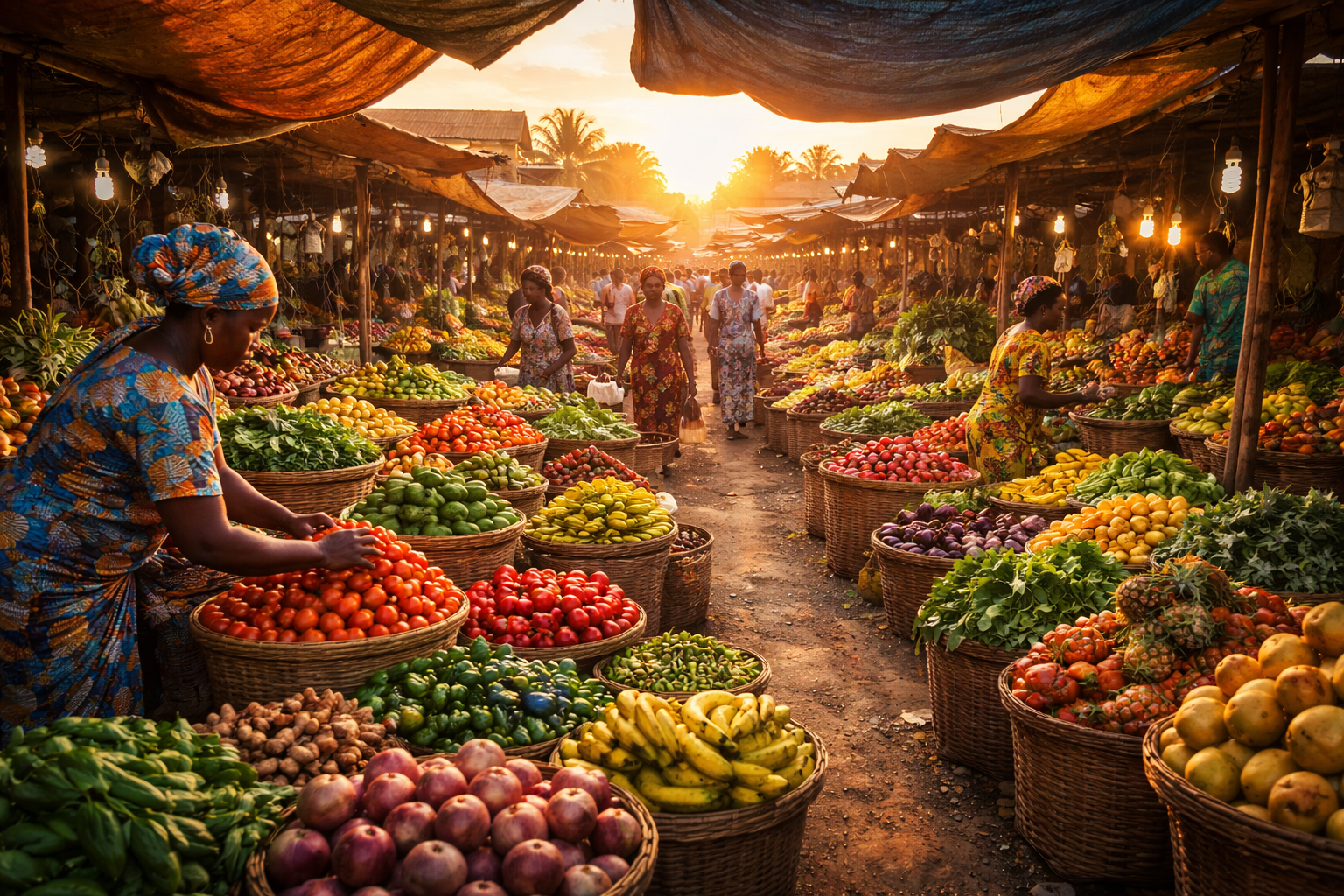
At 6:15 a.m. in Accra’s Makola Market, the air already carries the scent of fresh pineapples and ground pepper. Vendors move quickly, arranging tomatoes into neat pyramids while calling greetings across narrow walkways. A woman beside me laughs as she negotiates the price of smoked fish, tapping her scale to prove its accuracy. By sunrise, the market is fully alive. An African open-air market is more than a place to buy food or household goods. It is an economic engine, a cultural archive, and a social meeting ground. Across cities such as Accra, Lagos, Nairobi, and Dakar, these markets remain central to daily life — not only culturally, but economically. This article explores what a typical day looks like inside an African open-air market, why these markets remain vital, and what research reveals about their economic and social impact. Early Morning: The Market Comes to Life In many major cities, traders begin setting up before dawn. During visits to markets in West Africa, I observed vendors transporting goods by wheelbarrow, taxi, and small trucks — often arriving directly from rural farming communities. Stalls are typically constructed from simple materials: wooden tables, metal frames, tarpaulins, and woven mats. Produce is carefully arranged to attract buyers. The visual presentation is deliberate — bright peppers beside green okra, ripe mangoes stacked high to signal freshness. Many fresh products arrive within hours of harvest. According to the Food and Agriculture Organization (FAO), shorter supply chains in traditional markets can reduce post-harvest losses and support smallholder farmers when infrastructure allows. What You’ll Find in Most Open-Air Markets Although each market reflects local culture and geography, common goods include: In coastal cities like Dakar or Lagos, fish sections are especially active in the morning. Inland markets may emphasize grains, legumes, and root crops. A Marketplace of Fresh Produce — and Economic Significance Fresh produce sections are often the busiest areas. Tomatoes, onions, okra, leafy greens, plantains, cassava, and yams are stacked in colorful displays. Seasonal fruits fill the air with fragrance. Beyond aesthetics, these markets serve a crucial economic function. According to the World Bank, informal employment accounts for over 80% of total employment in many Sub-Saharan African countries. Open-air markets are a major component of this informal economy. These markets: In practical terms, when you buy tomatoes from a market vendor, you may be supporting a chain that includes a rural farmer, a transporter, a wholesaler, and a retail trader — all operating within a local economic ecosystem. The Soundscape: Negotiation and Social Bonds By mid-morning, the soundscape becomes layered and rhythmic. Vendors call out prices. Buyers compare options. Bargaining — often friendly and expected — becomes part of the exchange. During one visit, I watched a regular customer greet a pepper seller by name. They discussed family updates before negotiating price. The interaction was not transactional alone; it reflected trust built over years. This social dimension matters. According to research supported by the UN-Habitat, traditional markets in developing cities often function as social infrastructure — spaces where information, trust, and community relationships are reinforced. The Role of Women in Open-Air Markets In many African countries, women dominate food retail trading. Market visits in Ghana and Nigeria reveal rows of women managing stalls, handling accounts, and coordinating supply networks. Data from UN Women indicates that women represent a significant share of informal cross-border and market traders in Africa, often supporting entire households through small-scale commerce. Market trading offers: Women-led trader associations frequently manage dispute resolution, sanitation coordination, and cooperative savings schemes. Street Food: The Midday Pause By noon, food vendors become central. Charcoal grills sizzle with skewered meat. Large pots of rice and stew simmer nearby. During my visits, market workers often paused briefly for lunch — eating quickly before returning to their stalls. Meals are typically affordable, making them accessible to traders and shoppers alike. Street food sales are not merely cultural — they are economic. The FAO notes that informal food vending is a major source of urban employment in developing countries. Midday Peak and Flow Management Late morning to early afternoon is peak trading time. Office workers stop by during lunch breaks. Parents purchase ingredients for evening meals. Despite crowded walkways, markets often function with an informal but effective system of movement. Experienced shoppers navigate efficiently. Vendors weigh produce rapidly using mechanical or digital scales. While markets are vibrant, infrastructure challenges remain. Limited cold storage, drainage, or roofing can affect operations — particularly during heavy rains or extreme heat. Economic Impact: The Informal Sector Backbone Open-air markets are essential components of Africa’s informal sector. According to the African Development Bank, small and informal enterprises make up a substantial share of employment and economic activity across the continent. Markets contribute to: For many first-time entrepreneurs, opening a small market stall requires significantly less capital than renting a formal retail space. Social and Cultural Preservation Markets preserve cultural practices in visible ways: Tailors often operate within or near textile sections, transforming purchased fabric into custom garments within days. During holiday periods, markets expand with ceremonial goods and seasonal foods. These cycles align with cultural and religious calendars, reinforcing the market’s role as a community hub. Challenges Facing Open-Air Markets Despite resilience, open-air markets face modern pressures: The World Bank has noted that urban modernization efforts sometimes overlook informal traders, creating tension between redevelopment goals and livelihood protection. Efforts are underway in some cities to modernize sanitation, roofing, and storage while preserving traditional structures. Practical Tips for Visiting If visiting: 1. Go EarlyMorning offers fresher produce and more space to move. 2. Carry Small BillsThis simplifies transactions. 3. Bargain RespectfullyNegotiation is customary but should remain polite. 4. Ask Before Taking PhotosAlways request consent. 5. Stay AwareLike any crowded public space, keep belongings secure. Closing Hours: A Daily Reset By late afternoon, perishable goods may be discounted. Vendors pack unsold stock carefully — some transporting it home, others storing it for the next day. As the sun lowers, the noise fades gradually. What remains is
Beyond the Map: The Future of Cultural Travel in Africa
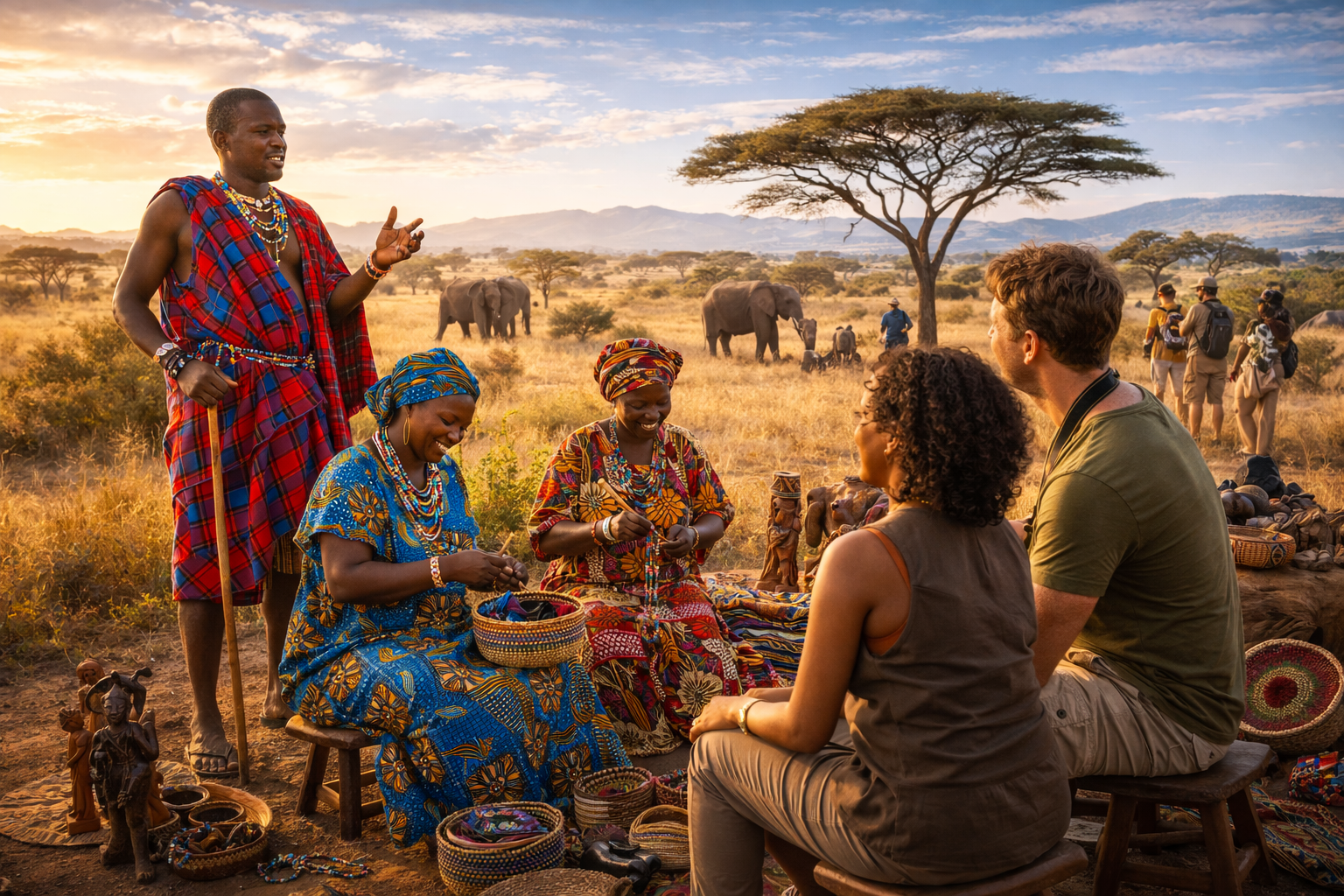
Cultural travel in Africa is entering a new era. For decades, international tourism narratives focused primarily on wildlife safaris and scenic landscapes. While those experiences remain vital, a growing shift is underway — one that centers on community leadership, heritage preservation, urban creativity, technology, and sustainable development. According to the World Tourism Organization (UNWTO), cultural tourism is one of the fastest-growing segments of global travel, accounting for an estimated 40% of international tourism flows. In Africa, this trend intersects with conservation, entrepreneurship, youth innovation, and diaspora engagement. The future of cultural travel in Africa is not simply about visiting places. It is about participating responsibly in living cultures, supporting community economies, and understanding how history, identity, and environment shape modern African societies. This guide explores how cultural tourism across Africa is evolving — from community conservancies and heritage cities to digital storytelling and creative industries — and what that means for travelers in the years ahead. 1. Community-Led Tourism: Redefining Who Benefits One of the most significant shifts in African tourism is the rise of community-owned and community-managed initiatives. The African Wildlife Foundation has documented how community conservancies across East and Southern Africa have increased wildlife populations while generating income for local households. In Kenya alone, community conservancies now protect millions of acres of land and create thousands of jobs linked to tourism. Firsthand Insight from a Community Conservancy During a visit to a community conservancy in northern Kenya, I attended an evening discussion led by a local ranger who explained how grazing rotations are coordinated between pastoralist families and wildlife migration corridors. What stood out was not just the conservation science, but the governance structure: elders, youth representatives, and women’s groups all had voting power in land-use decisions. This participatory model reflects a broader continental trend — tourism that is locally governed rather than externally imposed. Why This Matters The International Union for Conservation of Nature (IUCN) has repeatedly emphasized that conservation outcomes improve when local communities retain management authority and receive direct economic benefits. Cultural tourism now increasingly aligns with that principle. 2. Safari Beyond the Big Five: Cultural Context in Wildlife Travel The traditional “Big Five” safari model — lion, leopard, elephant, buffalo, rhinoceros — originated during colonial hunting eras. Today, ethical wildlife tourism is reframed around conservation and coexistence. Organizations such as the World Travel & Tourism Council highlight that wildlife tourism contributes billions of dollars annually to African economies. However, long-term sustainability depends on local participation. Human-Wildlife Coexistence in Practice In parts of Namibia, the Community-Based Natural Resource Management (CBNRM) program allows rural communities to manage wildlife and tourism enterprises directly. According to national reports, this model has led to wildlife recovery in previously depleted areas while generating revenue for schools and healthcare clinics. When travelers engage with these initiatives — through guided conservancy walks or ranger-led talks — they gain insight into: These are not abstract ideas. They are operational systems balancing ecological protection with human livelihoods. 3. Urban Cultural Renaissance: Africa’s Creative Cities The future of cultural travel is not confined to rural landscapes. African cities are becoming dynamic cultural destinations in their own right. In cities such as Lagos, Dakar, Nairobi, and Cape Town, travelers are increasingly drawn to: The global success of Afrobeats, Nollywood cinema, and African fashion weeks has reshaped international perceptions of the continent’s creative industries. Cultural travel now includes: This diversification strengthens tourism resilience and reduces dependence on wildlife-only models. 4. Heritage Preservation and UNESCO Recognition Africa is home to dozens of World Heritage Sites designated by the UNESCO. These sites range from ancient cities and archaeological landscapes to sacred forests and rock art. Examples include: Heritage tourism is evolving beyond passive observation. Increasingly, it incorporates: The emphasis is shifting from monument consumption to cultural continuity. 5. Technology and Digital Storytelling The next phase of cultural tourism in Africa involves technology. Young entrepreneurs are using: Digital storytelling allows communities to shape their own narratives rather than relying on external representations. The UNWTO has identified digital innovation as a critical driver of tourism competitiveness, particularly in emerging markets. For travelers, this means pre-trip engagement with culture — learning languages, histories, and traditions before arrival — enhancing respect and understanding on the ground. 6. Responsible Travel and Ethical Standards Trust in tourism depends on transparency and accountability. According to the Global Sustainable Tourism Council, sustainable tourism operators should demonstrate: When planning a culturally enriched trip, travelers should ask: These questions reflect a more informed and ethical traveler mindset. 7. Diaspora Tourism and Identity Travel Another emerging dimension is diaspora travel — individuals of African descent reconnecting with ancestral heritage. Countries such as Ghana have actively promoted heritage tourism initiatives that invite members of the African diaspora to explore historical sites tied to the transatlantic slave trade. This form of travel combines historical education, emotional connection, and cultural exchange. It represents tourism not just as leisure, but as identity exploration and reconciliation. 8. Challenges and Safeguards While cultural tourism offers significant benefits, risks remain: The IUCN and UNWTO both emphasize that tourism development must be participatory and evidence-based to avoid long-term harm. Balanced tourism planning includes: Trustworthiness in cultural tourism depends on acknowledging these risks rather than ignoring them. 9. The Economic and Social Ripple Effect The World Travel & Tourism Council reports that travel and tourism contribute substantially to GDP and employment across many African countries. Beyond direct jobs in hospitality, tourism supports: When responsibly structured, cultural tourism becomes a tool for inclusive development. Conclusion: A New Map for Cultural Travel in Africa The future of cultural travel in Africa is not defined by wildlife sightings alone. It is shaped by community governance, creative industries, digital innovation, heritage preservation, and ethical engagement. Travelers increasingly seek meaning alongside adventure. They want context alongside scenery. They want connection alongside photography. Africa’s tourism future lies in partnerships — between visitors and hosts, conservation and culture, tradition and innovation. Beyond the map of landscapes lies a richer terrain: living histories, evolving identities, and
Beyond the Map: The Future of Cultural Travel in Africa
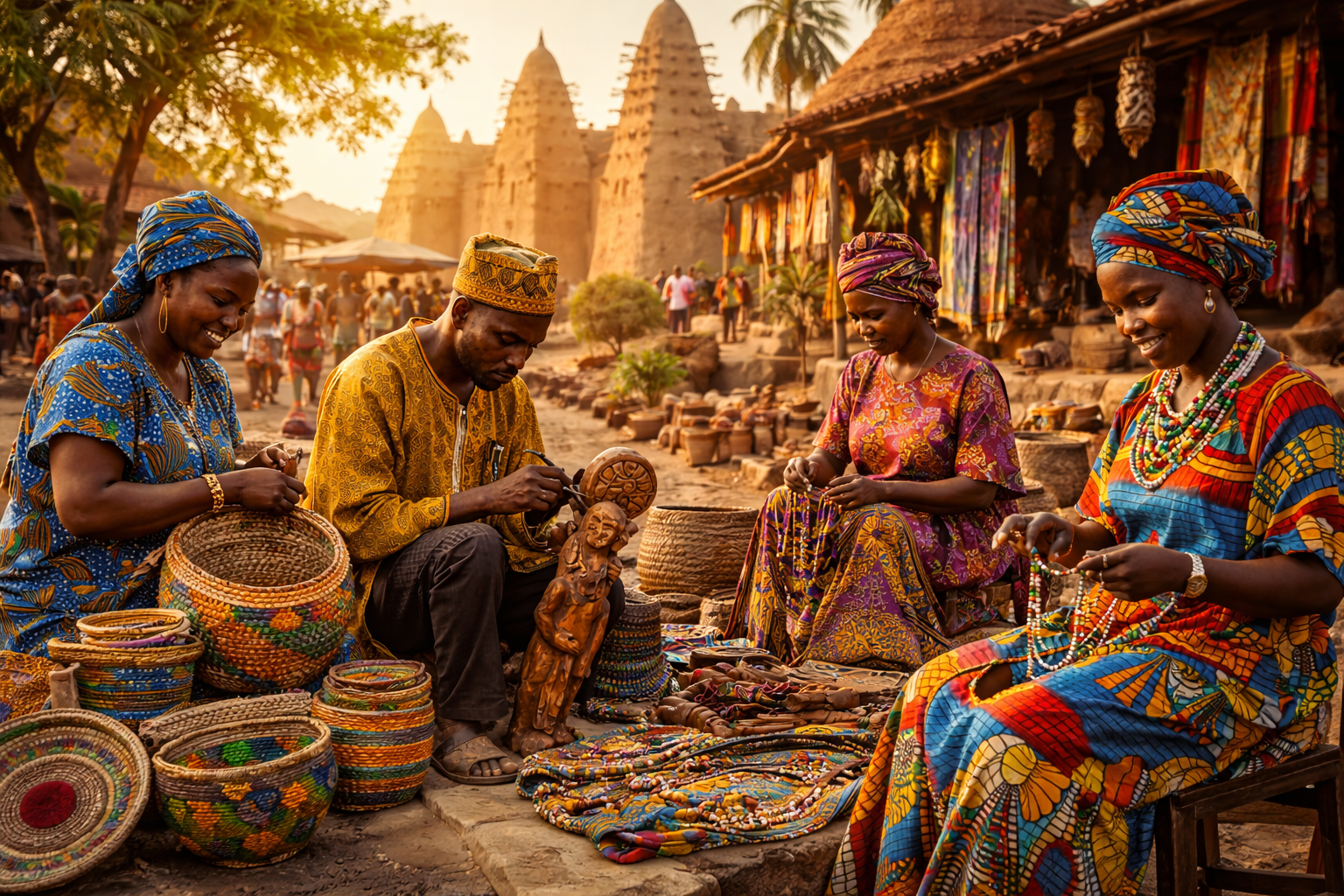
For years, Africa has been globally marketed as a safari destination. But on recent visits to community-run heritage sites in East and West Africa, one pattern has become clear: travelers are increasingly seeking cultural depth rather than curated spectacle. They want context. They want conversation. They want a connection. According to the United Nations World Tourism Organization (UNWTO), cultural tourism accounts for approximately 40% of global tourism activity, and demand for experiential, heritage-based travel continues to grow. Across Africa, this shift is reshaping how destinations design and deliver tourism experiences. The future of cultural travel in Africa is no longer centered solely on monuments or wildlife. It is being driven by community-led tourism, digital heritage preservation, responsible travel frameworks, culinary exploration, and educational exchange. This guide explores how cultural tourism in Africa is evolving, why it matters, and how travelers can participate responsibly. What Is Cultural Travel? Cultural travel focuses on engaging with a destination’s: The United Nations Educational, Scientific and Cultural Organization (UNESCO) defines culture as both tangible heritage (monuments, sites) and intangible heritage (oral traditions, rituals, craftsmanship). In Africa, cultural tourism spans: The continent contains over 90 UNESCO World Heritage Sites, reflecting its historical and cultural significance. Why Cultural Travel in Africa Is Growing 1. Demand for Experiential Travel Global tourism research increasingly shows a shift from passive sightseeing to immersive travel. The UNWTO reports sustained growth in travelers seeking authentic, community-based experiences rather than standardized resort packages. On a visit to a Maasai-led cultural program near the Maasai Mara, I observed how tourism revenue was transparently allocated toward local school infrastructure. Rather than staged performances, the program emphasized storytelling around governance systems and livestock traditions—designed and delivered by the community itself. This reflects a broader industry movement: authenticity now carries economic value. 2. Reframing African History Sites such as the rock-hewn churches of Lalibela and the medieval intellectual center of Timbuktu continue to challenge outdated narratives about African history. Likewise, Great Zimbabwe demonstrates sophisticated architectural achievement predating colonial contact. UNESCO research emphasizes that heritage tourism not only preserves sites but also promotes intercultural dialogue and education. Travelers are increasingly motivated by: 3. Urban Cultural Hubs and Creative Economies Africa’s cities are redefining cultural tourism. Cities such as: have become global centers for: According to the African Development Bank, Africa’s creative industries are among the fastest-growing sectors in several economies, further strengthening the link between culture and tourism. Key Trends Shaping the Future Community-Based Tourism (CBT) Community-based tourism places local communities in control of: Research from development agencies shows CBT improves: When evaluating a cultural experience, travelers should verify: Digital Storytelling & Heritage Preservation Across Africa, digital platforms are preserving: UNESCO has emphasized the urgent need to digitize intangible heritage to protect it from climate threats and generational loss. Virtual tours, online archives, and podcasts now allow travelers to educate themselves before visiting—leading to more respectful engagement. Sustainable and Responsible Tourism Sustainability is central to the future of tourism worldwide. The UNWTO defines sustainable tourism as development that: “Meets the needs of present tourists and host regions while protecting and enhancing opportunities for the future.” In practice, responsible cultural travel includes: Climate change poses risks to heritage sites across coastal and arid regions. Long-term preservation planning is essential. Culinary Tourism as Cultural Education Food tourism is increasingly recognized as a powerful cultural entry point. In Marrakech, guided market tours connect cuisine to historical trade routes linking North Africa to West Africa and the Middle East. Similar culinary immersion programs are expanding across West, East, and Southern Africa. Culinary tourism allows travelers to explore: Food is often the most accessible gateway to deeper cultural understanding. Challenges Facing Cultural Travel in Africa Infrastructure Gaps Some culturally significant destinations lack: Strategic investment is needed to expand access without eroding authenticity. Cultural Commodification Oversimplification and commercialization of traditions can undermine authenticity. UNESCO warns against reducing living cultures to performative displays disconnected from context. Ethical tourism must prioritize community leadership and accurate storytelling. Climate Risk Rising temperatures, coastal erosion, and desertification threaten heritage landscapes. Preservation efforts require international cooperation and funding. How Travelers Can Support Ethical Cultural Tourism To align with responsible travel principles: These actions directly strengthen community-led tourism ecosystems. Educational and Academic Exchange Cultural tourism is increasingly overlapping with educational travel. Universities and cultural institutions are partnering across Africa to support: Such initiatives extend tourism beyond consumption into collaboration. The Future: Connection Over Consumption Cultural travel in Africa is shifting from passive observation to participatory engagement. It strengthens: When grounded in community leadership, transparency, and sustainability, cultural tourism becomes a powerful tool for mutual benefit. Conclusion Africa’s future in tourism is not limited to landscapes or wildlife. It lies in its living heritage, creative innovation, and intellectual history. Supported by international frameworks from organizations such as the United Nations World Tourism Organization and United Nations Educational, Scientific and Cultural Organization, cultural tourism is becoming one of the most meaningful pathways for responsible travel. For travelers willing to move beyond the map, Africa offers not just destinations—but dialogue, history, creativity, and shared human experience.