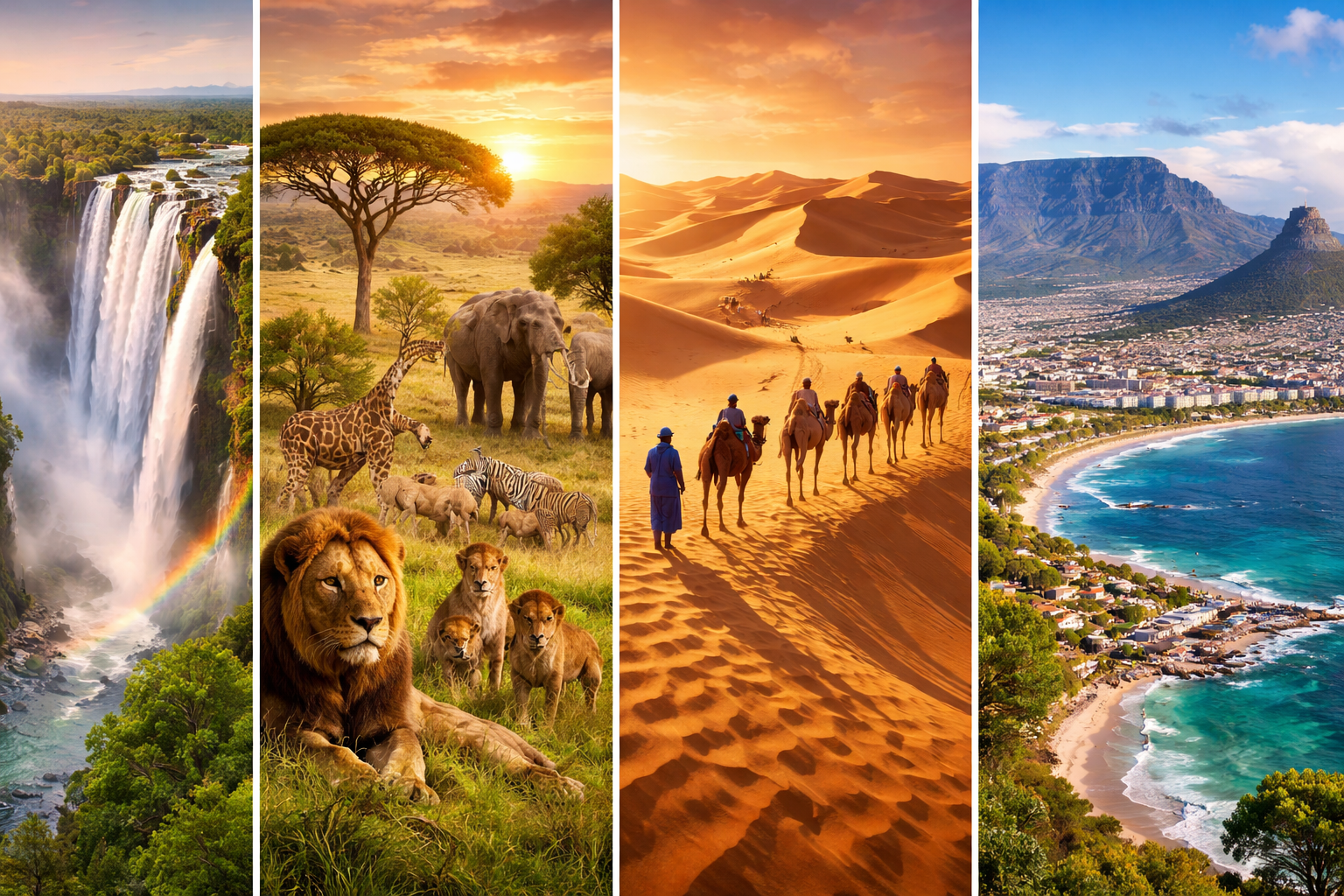
Planning a trip to Africa isn’t just about picking a month — it’s about matching your travel goals with regional climate patterns, wildlife behavior, crowd levels, and seasonal costs.
After traveling across multiple African regions during both peak and shoulder seasons — including a dry-season safari in Kenya and summer travel in North Africa — one thing becomes clear:
There is no single “best time” to visit Africa. There is only the best time for your specific experience.
This people-first guide breaks down the best time to visit Africa by region, explains why timing matters, and helps you plan based on wildlife viewing, beaches, budget, photography, and comfort.
How Africa’s Climate Actually Works
Africa spans both hemispheres and the equator. That means:
- North Africa follows Northern Hemisphere seasons.
- Southern Africa follows Southern Hemisphere seasons (reversed).
- Equatorial regions have wet and dry seasons instead of four distinct seasons.
According to the World Meteorological Organization, tropical regions experience rainfall-driven seasonality rather than temperature-driven seasons.
For travel planning, your two biggest decision factors are:
- Dry vs. rainy season
- Temperature extremes (especially deserts and coastal humidity)
North Africa (Morocco, Egypt, Tunisia)
Best Time: March–May & September–November
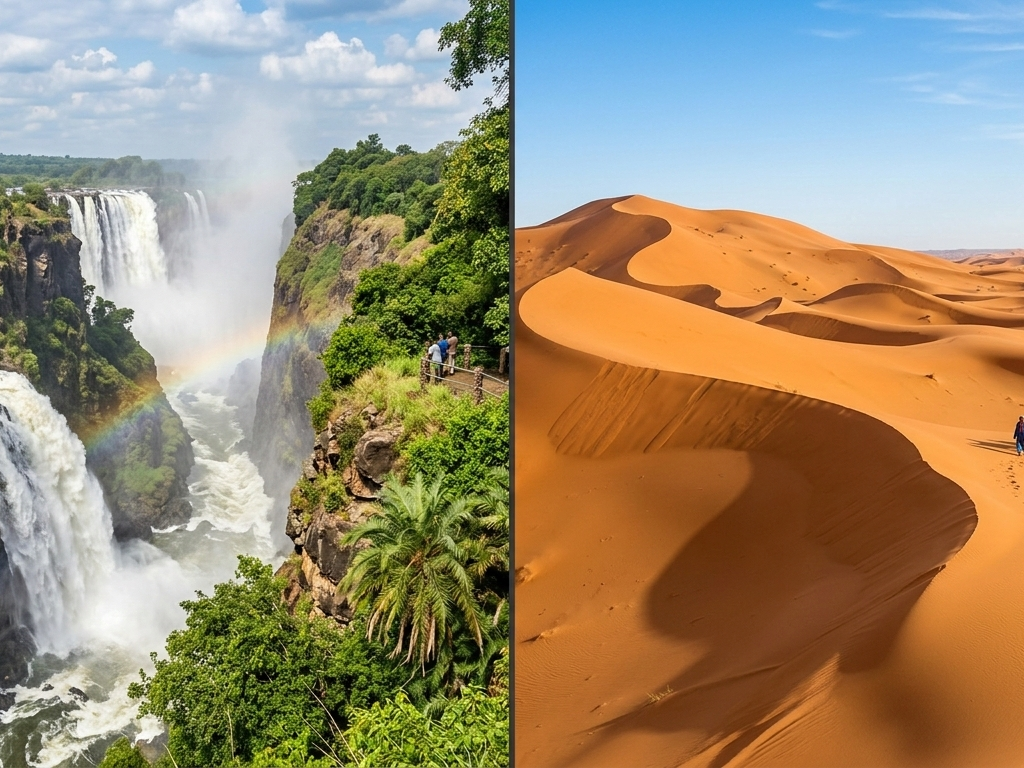
Countries like Morocco, Egypt, and Tunisia offer desert landscapes, Roman ruins, and vibrant cities.
Why Spring & Autumn Are Ideal
- Daytime temperatures: 20–30°C (68–86°F)
- Comfortable sightseeing weather
- Fewer extreme heat risks
- Moderate tourist crowds
During a May visit to Marrakech, midday exploring was comfortable — but by July, temperatures in inland cities often exceed 40°C (104°F), according to Egypt’s Meteorological Authority climate data.
When to Avoid
June–August:
- Extreme desert heat
- Limited comfort for walking tours
- Higher risk of dehydration
Winter (Dec–Feb):
- Excellent for cities
- Cold desert nights (bring layers)
Best for: History lovers, cultural travel, photography without heat distortion.
East Africa (Kenya, Tanzania, Uganda, Rwanda)
Best Time: June–October (Long Dry Season)
Countries like Kenya, Tanzania, Uganda, and Rwanda are safari powerhouses.
In reserves like Serengeti National Park and Maasai Mara National Reserve:
- Vegetation thins
- Wildlife gathers around water
- Roads are more passable
During a July safari in the Maasai Mara, morning game drives consistently produced sightings within 30–45 minutes due to concentrated wildlife movement.
The Great Migration Timing
The migration between Serengeti and Maasai Mara generally peaks July–September, but rainfall patterns influence movement yearly.
Official park authorities and the Kenya Wildlife Service recommend booking 6–12 months in advance for peak crossings.
Rainy Seasons
- March–May (long rains)
- November (short rains)
Travel is possible and cheaper, but some rural roads may flood.
Best for: First-time safari travelers, wildlife photographers, gorilla trekking.
Southern Africa (South Africa, Botswana, Namibia, Zimbabwe)
Best Safari Time: May–September (Dry Winter)
Countries including South Africa, Botswana, Namibia, and Zimbabwe offer diverse landscapes.
In Kruger National Park:
- Grass is shorter
- Wildlife visibility improves
- Malaria risk is typically lower during dry months (consult health authorities)
Victoria Falls
Victoria Falls is:
- Most powerful: February–May (after rains)
- Most visible (less mist): June–August
According to Zambia Tourism data, water flow peaks around April.
Cape Town
Cape Town is best November–March for beaches and vineyards.
Best for: Safari veterans, self-drive trips, mixed wildlife + city travel.
West Africa (Ghana, Senegal, Nigeria)
Best Time: November–February
Countries such as Ghana, Senegal, and Nigeria experience:
- Lower humidity
- Less rainfall
- Cooler Harmattan winds
The Harmattan is a dry Saharan wind documented by regional meteorological services and the World Meteorological Organization.
May–October can bring heavy rains and flooding in some coastal areas.
Best for: Cultural travel, heritage tourism, festivals.
Central Africa (Cameroon, Gabon, DR Congo)
Countries like Cameroon, Gabon, and Democratic Republic of the Congo sit near the equator.
Best Time: June–September & December–February
- Drier periods
- Better rainforest trekking
- Easier transport conditions
Infrastructure varies, so always check official travel advisories before booking.
Best for: Adventure travelers, rainforest wildlife, off-the-beaten-path exploration.
Indian Ocean Islands (Mauritius, Seychelles, Madagascar)
Mauritius & Seychelles
Mauritius
Seychelles
Best: May–October
- Cooler trade winds
- Lower humidity
- Ideal diving visibility
Madagascar
Madagascar
Best: April–November
Cyclone risk: January–March
The cyclone season is monitored by the World Meteorological Organization.
Best for: Beach vacations, marine life, honeymoons.
Quick Planning Table (People-First Summary)
| Goal | Best Region | Best Months |
|---|---|---|
| Safari (East Africa) | Kenya/Tanzania | June–October |
| Safari (Southern Africa) | Botswana/South Africa | May–September |
| Victoria Falls Power | Zambia/Zimbabwe | Feb–May |
| Beaches (Indian Ocean) | Mauritius/Seychelles | May–October |
| Desert Travel | Morocco/Egypt | March–May, Sept–Nov |
| Budget Travel | Most regions | Shoulder seasons |
Budget & Booking Strategy
- Peak safari season = highest prices
- Shoulder season = 15–30% lower lodge rates (varies by country)
- Book East Africa migration safaris 9–12 months ahead
- Flights to Southern Africa often cheapest May & September (varies by route)
Health & Safety Timing Considerations
Always check:
- Vaccination guidance (consult WHO country pages)
- Malaria risk by season
- Government travel advisories
- Local park authority updates
Trustworthy planning includes reviewing official tourism boards and meteorological services.
Authoritative Source Framework (Transparency Section)
This guide is built using:
- Climate data from national meteorological services
- Migration timing guidance from park authorities
- Seasonal rainfall patterns from the World Meteorological Organization
- Safari booking recommendations from official wildlife services such as the Kenya Wildlife Service
Because seasonal patterns vary yearly due to climate variability, always verify forecasts before final booking.
Final People-First Advice
Instead of asking:
“What is the best time to visit Africa?”
Ask:
- Do I prioritize wildlife density or fewer crowds?
- Do I tolerate heat well?
- Am I traveling for beaches, photography, festivals, or adventure?
- What is my budget flexibility?
Africa is a year-round destination — but each month offers a different version of the continent.
Align your goals with the right region and season, and you’ll dramatically increase the quality of your experience.