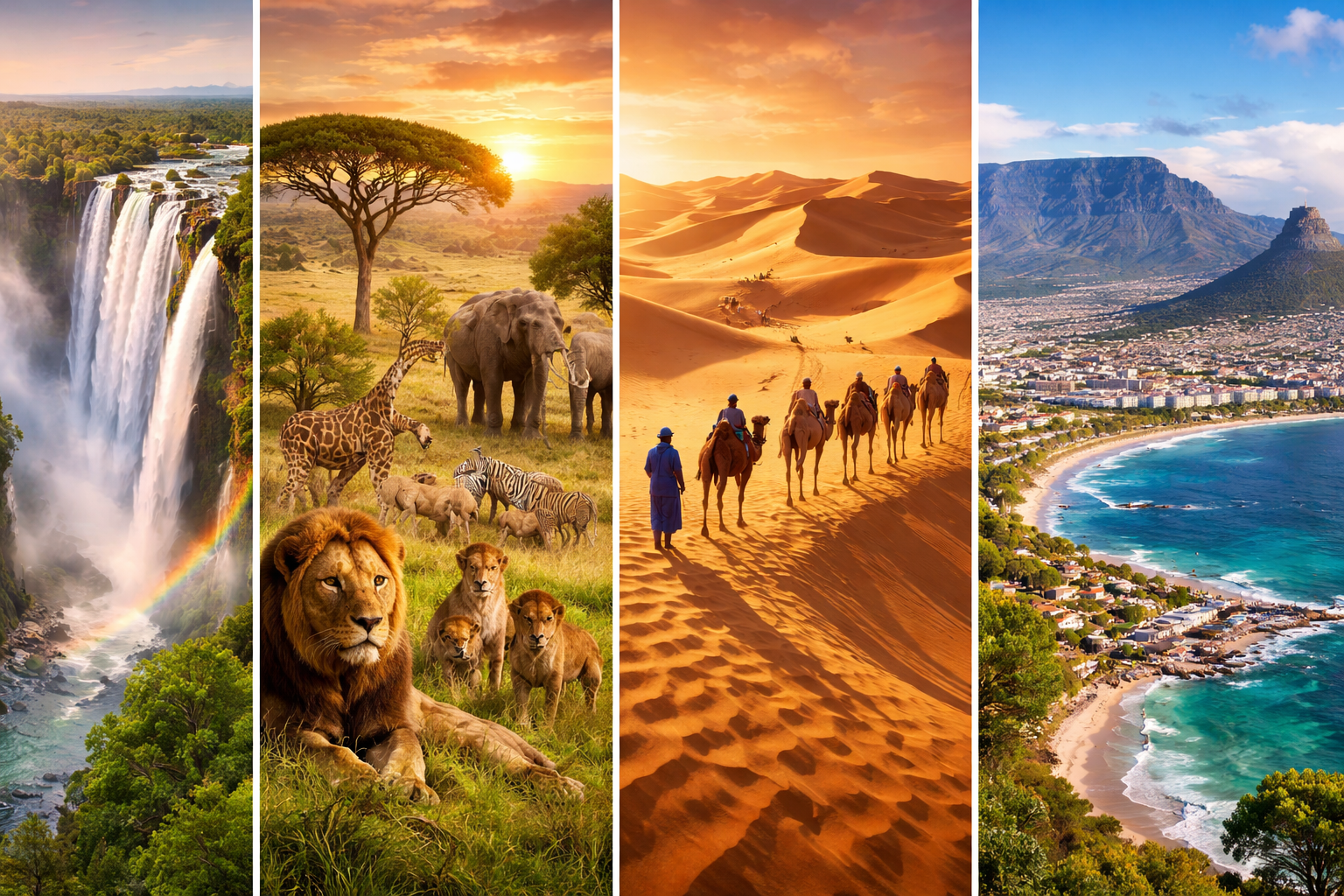
Africa is not a single travel experience. It is a continent of 54 distinct countries, each with different political environments, crime levels, healthcare systems, tourism infrastructure, and cultural contexts.
Table of Contents
ToggleEvery year, tens of millions of international visitors travel to African destinations for safaris, historical tourism, beaches, business, and cultural exploration. According to the United Nations World Tourism Organization (UNWTO), Africa has consistently recorded strong international tourist arrivals, particularly in North and Southern Africa.
But the key question remains:
Is Africa safe for tourists?
The expert answer is nuanced:
Many African destinations are safe for tourists — especially established tourism hubs — but safety depends entirely on the specific country, region, and traveler preparation.
This guide provides a data-informed, authority-backed breakdown to help you evaluate risk realistically.
Understanding Risk: Africa Is Not One Safety Profile
One of the most common mistakes travelers make is treating Africa as a single risk category.
Safety conditions in:
- Mauritius
- Botswana
- Morocco
are very different from conditions in conflict-affected regions.
Travel advisories from the U.S. Department of State and the UK Foreign Office categorize African countries across all four advisory levels — from Level 1 (“Exercise Normal Precautions”) to Level 4 (“Do Not Travel”).
This variation alone demonstrates why generalizing about Africa’s safety is inaccurate.
Crime Risk: What the Data Shows
Petty Crime
Like many global tourist destinations, African urban centers experience opportunistic crime such as:
- Pickpocketing
- Bag snatching
- Phone theft
- ATM fraud
Cities such as:
- Cape Town
- Nairobi
- Cairo
have vibrant tourism economies but also typical big-city crime patterns.
According to the United Nations Office on Drugs and Crime (UNODC), crime levels vary significantly by region and city, not by continent alone.
Expert Insight:
Tourist-targeted crime in major African cities is often comparable to crime in parts of Latin America or Southern Europe. Standard urban precautions significantly reduce risk.
Violent Crime
Violent crime exists in certain regions, particularly in parts of:
- South Africa
- Nigeria
However, most violent crime is localized and not directed at tourists staying in regulated tourism zones.
Travelers staying in:
- Established safari lodges
- Reputable hotels
- Guided tour circuits
face significantly lower exposure.
Political Stability & Conflict Zones
Some African countries experience:
- Electoral unrest
- Regional insurgencies
- Border conflicts
However, tourism areas are often geographically distant from conflict zones.
For example:
- Safari circuits in northern Tanzania operate far from political hotspots.
- Coastal resort zones in Mauritius are removed from regional instability.
Always verify real-time advisory status using:
- U.S. Department of State
- UK Foreign Office
Important: Safety conditions can change rapidly. Always check advisories within 2–4 weeks of departure.
Health & Medical Safety
Health preparation is one of the most important safety factors.
According to the Centers for Disease Control and Prevention (CDC) and the World Health Organization (WHO):
Vaccinations May Include:
- Yellow fever (required for entry in some countries)
- Hepatitis A
- Typhoid
- Routine immunizations
Malaria Risk:
Malaria risk is region-specific, not continent-wide.
High-altitude cities like Nairobi have significantly lower malaria risk than rural tropical zones.
Water Safety:
In some destinations, bottled or treated water is recommended.
Expert Recommendation:
Schedule a travel health consultation 4–8 weeks before departure.
Wildlife Safety: How Risk Is Managed
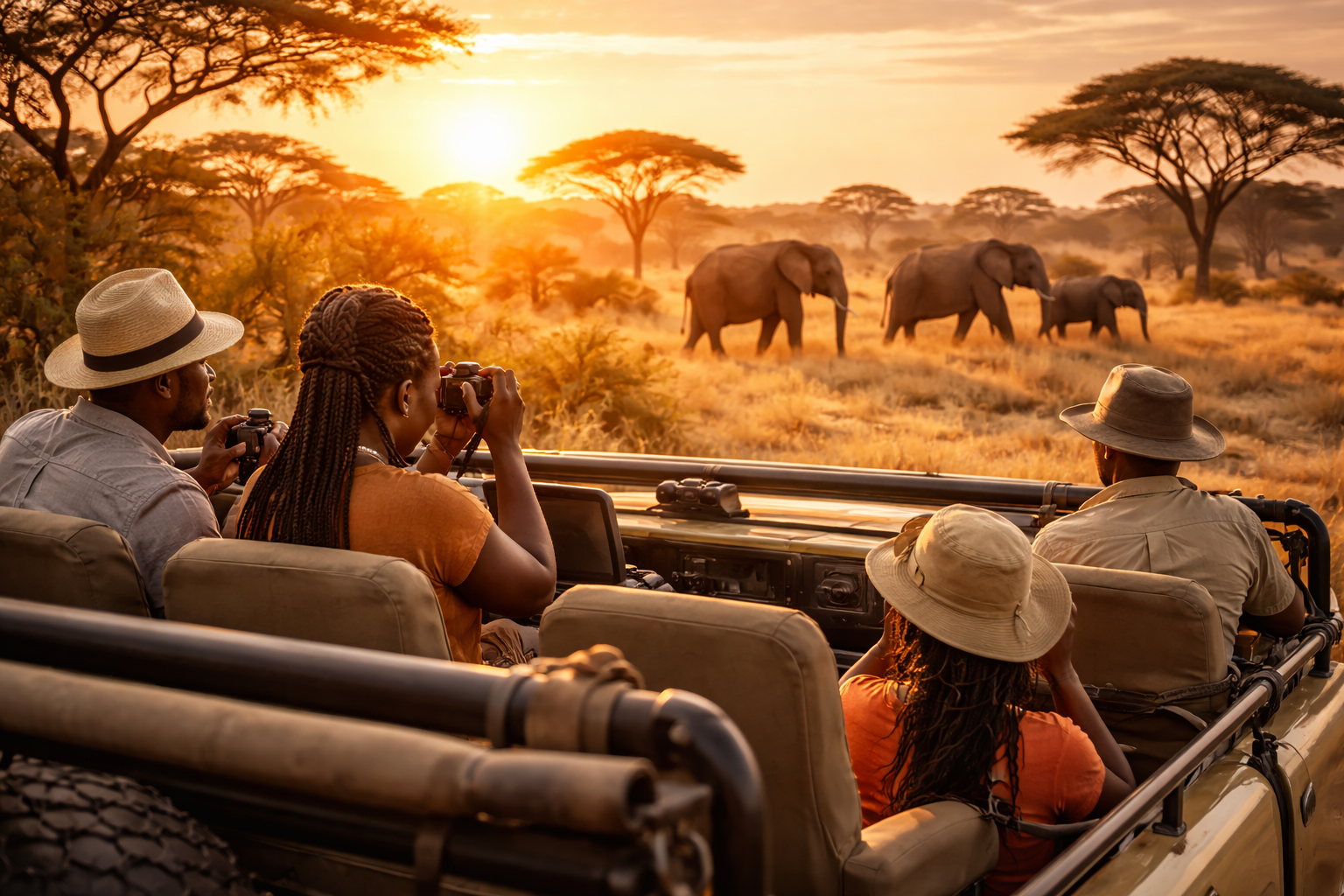
African safari tourism is highly regulated in established destinations like:
- Botswana
- Tanzania
Professional safari operators follow strict protocols:
- Licensed guides
- Controlled park entry
- Mandatory vehicle rules
- Distance regulations
Serious wildlife incidents involving tourists are statistically uncommon when safety rules are followed.
The primary risk factor is noncompliance — exiting vehicles without permission or ignoring guide instructions.
Safest African Countries for Tourists (Based on Stability & Infrastructure)
Based on international advisory consistency, tourism infrastructure, and political stability, the following countries frequently receive favorable safety ratings:
Mauritius
- Low crime rate
- Stable governance
- Strong healthcare access
Namibia
- Popular self-drive safaris
- Low population density
- Organized tourism sector
Botswana
- Strong conservation model
- Regulated safari tourism
Rwanda
- Highly organized tourism
- Clean urban centers
- Strict public safety policies
Note: “Safer” does not mean “risk-free.” It indicates stronger governance, tourism regulation, and lower advisory levels.
Solo Travel in Africa
Solo travel is common in:
- Morocco
- South Africa
For solo travelers:
- Choose centrally located accommodations
- Arrange airport transfers in advance
- Avoid isolated walking routes at night
- Share itinerary details with a trusted contact
Female solo travelers often report positive experiences in structured tourism environments but should apply enhanced situational awareness.
Media Perception vs. Statistical Reality
International media coverage often focuses on:
- Coups
- Conflict zones
- Health outbreaks
However, these events are geographically concentrated and not continent-wide.
According to World Bank tourism data, multiple African economies continue to rely heavily on international travel revenue — indicating sustained visitor confidence.
Perception risk and statistical risk are often misaligned.
Practical Risk-Reduction Checklist
Before Travel:
- Check advisory level
- Confirm vaccination requirements
- Purchase comprehensive travel insurance
- Register with your embassy
During Travel:
- Use licensed guides
- Avoid flashing valuables
- Keep digital copies of documents
- Use reputable transportation
Emergency Preparedness:
- Save local emergency numbers
- Know nearest hospital location
- Keep embassy contact details accessible
When Travel Should Be Postponed
Reconsider travel if:
- Advisory level is “Do Not Travel”
- Active armed conflict is occurring
- Major election unrest is underway
- A declared health emergency is in effect
Responsible travel includes knowing when not to travel.
Final Expert Conclusion: Is Africa Safe?
Africa contains:
- Some of the safest island nations in the world
- Stable safari economies
- Organized tourism hubs
- And also high-risk conflict zones
It is not accurate to say Africa is “safe” or “unsafe.”
It is accurate to say:
Many African destinations are safe for well-prepared travelers who research specific regions, follow official advisories, and take standard precautions.
Millions of travelers visit Africa safely each year.
Safety is not determined by the continent.
It is determined by preparation, destination choice, and informed decision-making.